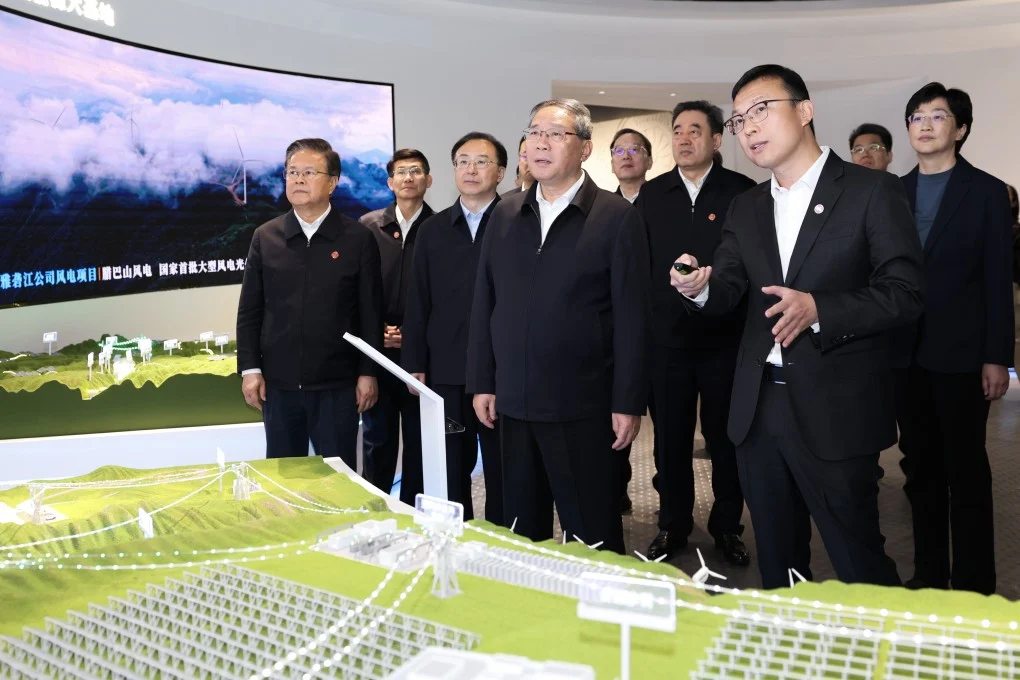
During a three-day visit to Sichuan Province, Chinese Premier Li Qiang called for the acceleration of a 'New Energy System' to enhance the green transition and increase the use of artificial intelligence in the energy sector. This call comes amid rising global supply fluctuations, necessitating serious steps to improve energy security and support economic growth.
Li emphasized the need to expand green electricity supplies and improve the energy mix, stressing the importance of exploring new structures for electrical networks. He also urged market players to enhance the overall system to ensure energy sustainability.
Details of the Event
During his visit, Li Qiang pointed out that the shift towards clean energy is not just an option but an urgent necessity to address environmental and economic challenges. He highlighted the importance of utilizing modern technology, including artificial intelligence, to improve energy efficiency and reduce carbon emissions.
The meeting with local officials also addressed the importance of enhancing cooperation among various sectors, including government and the private sector, to achieve ambitious renewable energy goals. He noted that innovation in this field could contribute to creating new job opportunities and boosting the local economy.
Background & Context
This call comes amid increasing global pressures on energy systems, as many countries have experienced sharp fluctuations in energy supplies due to geopolitical crises and climate changes. Studies have shown that transitioning to renewable energy can contribute to greater stability in global energy markets.
China, being the largest energy consumer in the world, plays a pivotal role in this transition. The Chinese government has set ambitious plans to increase the share of renewable energy in the national energy mix, focusing on developing new technologies such as solar and wind energy.
Impact & Consequences
The development of a new energy system supported by artificial intelligence could have far-reaching effects on both the Chinese and global economies. This transition is expected to reduce dependence on fossil fuels, contributing to improved air quality and reduced harmful emissions.
Moreover, the use of artificial intelligence in energy management can help improve energy consumption efficiency, leading to cost reductions and increased sustainability. This may encourage further investments in the renewable energy sector, thereby enhancing economic growth.
Regional Significance
China's move towards developing a new energy system could have positive implications for the Arab region, which faces similar energy challenges. Arab countries could benefit from Chinese experiences in promoting the use of renewable energy and artificial intelligence in this sector.
Additionally, cooperation between Arab nations and China in the field of renewable energy could contribute to achieving environmental and economic goals, enhancing the region's ability to face future challenges.
In conclusion, the call from the Chinese Premier to develop a new energy system represents an important step towards achieving environmental and economic sustainability. As global challenges increase, international cooperation in this field will be essential to ensure a better future for all.