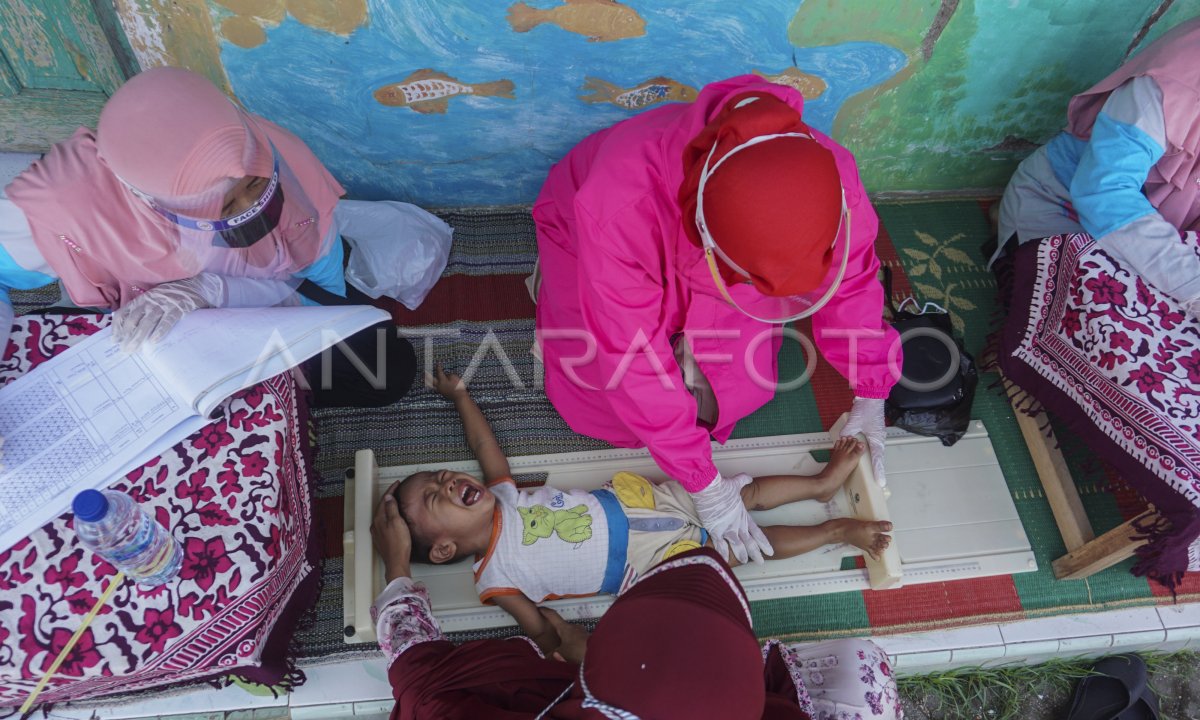
The government of West Java, Indonesia, has announced an acceleration of its efforts to combat malnutrition, particularly the phenomenon known as 'stunting', amid a noticeable increase in cases in certain areas. This initiative is part of an urgent response to the health challenges faced by local communities.
The government aims to implement effective programs designed to reduce malnutrition rates among children, as reports indicate that some regions are experiencing a growing prevalence of this issue. Several strategies have been identified, including improving nutrition, increasing health awareness, and providing support to affected families.
Details of the Initiative
The Indonesian government's plan includes several initiatives aimed at enhancing food security and improving the quality of life for children. Among these initiatives are the provision of necessary nutritional supplements, support for low-income families, and organizing awareness campaigns about the importance of proper nutrition.
An additional budget has been allocated to support these programs, reflecting the government's commitment to addressing this pressing health issue. Local authorities have emphasized the importance of cooperation among various government entities and civil society to achieve the desired goals.
Background & Context
Malnutrition is a global health issue that affects millions of children worldwide. In Indonesia, West Java is among the regions most affected by this phenomenon, with statistics indicating a significant rise in malnutrition rates in recent years.
Historically, Indonesia has faced significant public health challenges, including infectious diseases and malnutrition. However, the Indonesian government is striving to improve health conditions by implementing comprehensive health policies.
Impact & Consequences
The government's efforts to combat malnutrition are a positive step towards improving children's health in West Java. These initiatives are expected to reduce rates of diseases associated with malnutrition, contributing to an overall improvement in quality of life.
Furthermore, these efforts may also contribute to enhancing economic and social development in the region, as improving children's health is an investment in the future. Healthy children are the foundation for building a strong and prosperous community.
Regional Significance
Malnutrition is a concern for many Arab countries, where some nations face similar challenges in this area. The Indonesian experiences in tackling this phenomenon could serve as an inspiration for Arab countries seeking to improve the health of their children.
It is crucial for Arab nations to adopt effective strategies to combat malnutrition, including enhancing health awareness and providing support to affected families. Improving children's health is a fundamental step towards achieving sustainable development in the region.