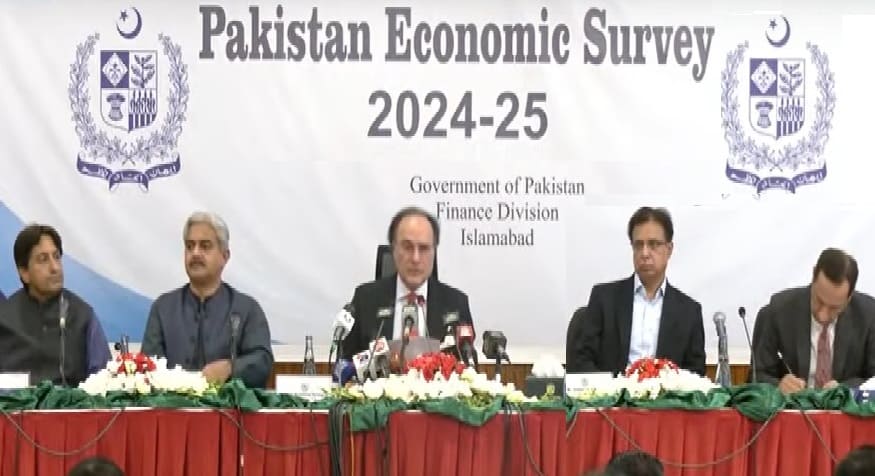
Pakistan's economy has demonstrated notable acceleration in the last quarter, with economic reports indicating a significant rise in growth. This comes at a time when the world is facing rising global oil prices due to escalating conflict in Iran, raising concerns about the impact on the Pakistani economy, which heavily depends on fuel imports.
Pakistan is considered one of the countries suffering from energy shortages, as it imports most of its fuel needs. With rising global oil prices, pressure is mounting on the Pakistani government to secure energy sources at reasonable prices, which could affect the national budget.
Economic Growth Details
According to reports, economic growth in Pakistan has accelerated significantly in the last quarter, reflecting improved performance in several economic sectors. However, future forecasts remain uncertain due to geopolitical tensions in the region, particularly the Iranian conflict.
The rise in oil prices is a direct consequence of tensions in the Middle East, where Iran plays a pivotal role in the global oil market. This situation could lead to increased energy costs in Pakistan, undermining the competitiveness of many economic sectors.
Background & Context
Historically, Pakistan has faced multiple economic challenges, including financial and political crises. The Pakistani economy heavily relies on agriculture and industry, but regional tensions often negatively impact growth. In recent years, the Pakistani government has attempted to implement economic reforms to improve economic conditions, but challenges persist.
Pakistan is particularly affected by rising oil prices, as most of its energy needs come from imports. In recent years, there have been attempts to diversify energy sources, including investment in renewable energy, but these efforts have yet to yield the desired results.
Impact & Consequences
Rising oil prices could lead to increased inflation in Pakistan, affecting citizens' purchasing power. Additionally, higher energy costs may result in a decline in foreign investments, as investors may hesitate to enter a market suffering from instability.
Furthermore, regional tensions could exacerbate economic conditions, as trade with neighboring countries may be affected. The stability of the Pakistani economy heavily depends on the geopolitical situation in the region, placing the government in a precarious position.
Regional Significance
The economic conditions in Pakistan are of particular importance to the Arab region, as any fluctuations in oil prices could impact the economies of Arab countries that rely on oil exports. Understanding Pakistan's economic landscape is crucial for regional stability and cooperation.
In conclusion, while Pakistan's economy shows signs of growth, the challenges posed by rising oil prices and regional tensions remain significant, necessitating careful monitoring and strategic planning by the government.