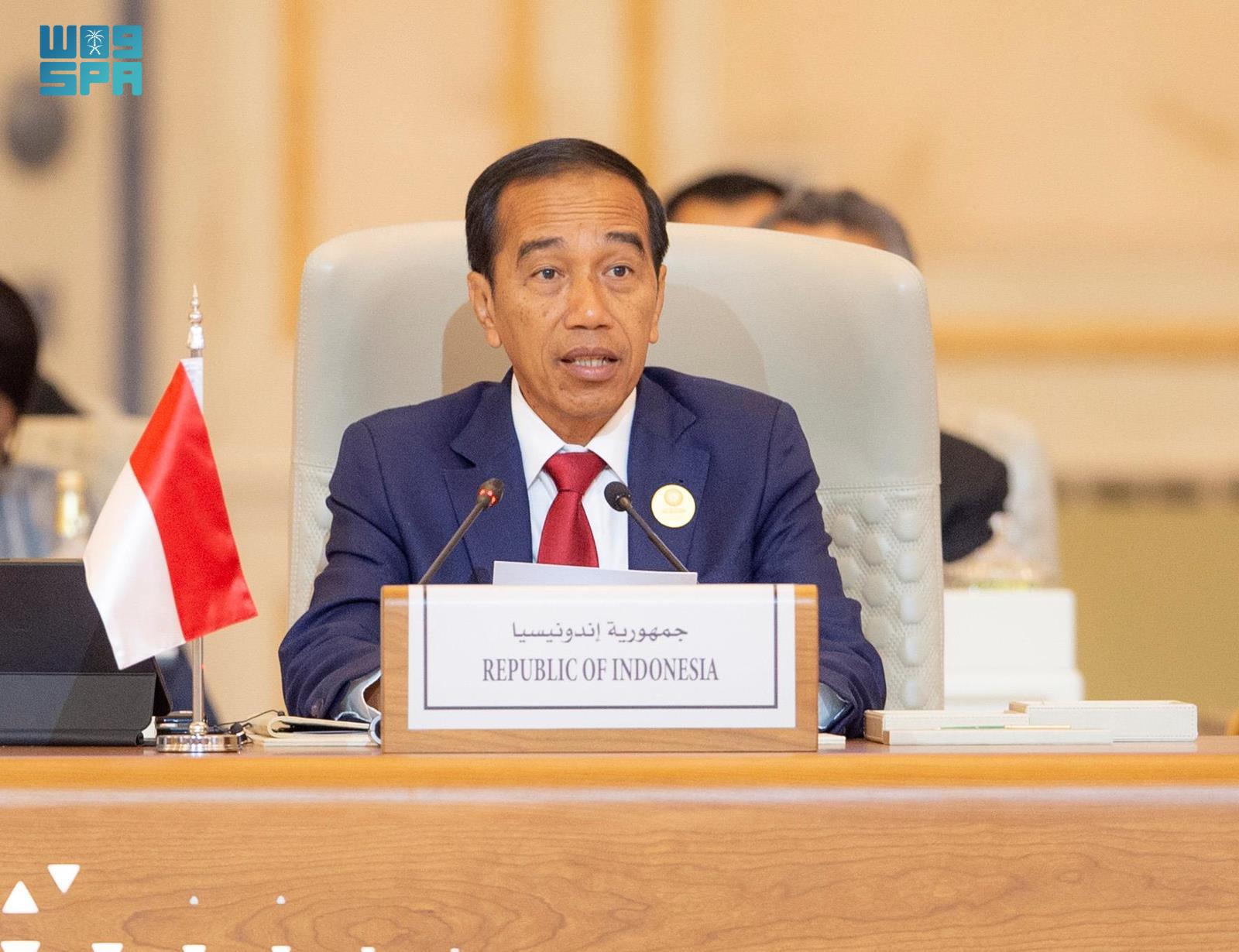
In a move aimed at supporting small and medium-sized enterprises, Indonesian President Joko Widodo has issued new directives to lower interest rates for the Permodalan Nasional Madani program to below 9%. This decision is part of the government's efforts to improve the financial conditions for entrepreneurs facing significant borrowing costs.
During his remarks in Jakarta, the president emphasized that the current interest rate of 24% poses a heavy burden on small business owners, especially when compared to the rates enjoyed by larger businesses, which range between 9% and 10%. He pointed out that this disparity in interest rates is unacceptable in a nation that adheres to the principles of Pancasila.
Details of the Initiative
President Widodo highlighted the need to reevaluate the current financial system, stating, "We must work to reduce interest rates to below 9%, as we cannot allow the wealthy to access loans at low rates while the poor suffer from high interest rates." He assured that the government would study the weaknesses in the current financial system and work towards reform.
The Permodalan Nasional Madani program is one of the government initiatives aimed at supporting small and medium-sized enterprises, proposed to be managed under the supervision of the Ministry of Finance. This program is part of the government's broader efforts to bolster the national economy and improve the living standards of citizens.
Background & Context
Historically, Indonesia has faced significant disparities in access to financing between large and small companies. Larger firms have benefited from lower interest rates, while smaller enterprises have struggled to secure funding at reasonable rates. This situation has exacerbated the economic gap between different social classes within the community.
Impact & Consequences
This decision is expected to have a positive impact on the Indonesian economy, as it will help alleviate financial burdens on small business owners. Additionally, lowering interest rates may encourage more investors to enter the market, thereby boosting economic growth. Improving financing conditions for small businesses could lead to increased productivity and the creation of new job opportunities, contributing to a reduction in unemployment rates across the country.
Regional Significance
The implications of this initiative extend beyond just financial relief for small businesses; it represents a strategic step towards enhancing the overall business environment in Indonesia. By addressing the financing gap, the government aims to create a more equitable economic landscape that fosters growth and development across all sectors.
In conclusion, the Indonesian government's commitment to reducing interest rates for small businesses reflects a broader strategy to support economic resilience and inclusivity. This initiative not only aims to empower entrepreneurs but also seeks to bridge the economic divide that has long affected the nation.