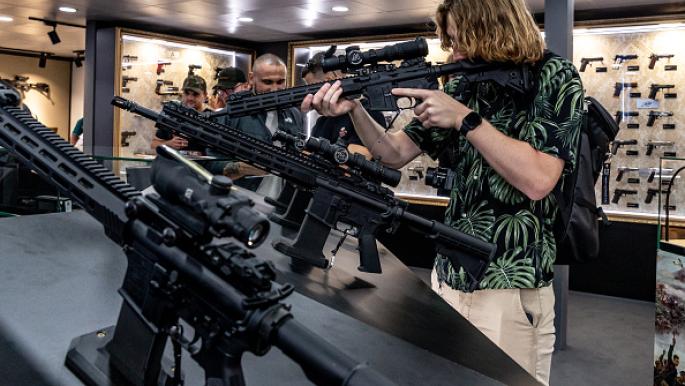
Military spending has surged in several major countries due to ongoing conflicts in the region. Reports indicate a significant increase in European defense budgets as the United States redistributes its defense burdens.
Data shows that European countries, which previously faced financial constraints, are now significantly enhancing their military capabilities. This shift comes amid rising geopolitical tensions, prompting governments to reassess their defense strategies.
Details of the Event
In recent months, several European nations have announced plans to increase their defense budgets. For instance, Germany has announced a substantial increase in its military spending, reflecting its commitment to bolster its defense capabilities in the face of growing threats. Similarly, France and Britain have expressed similar intentions, as both countries seek to modernize their military arsenals and expand their armed forces.
In contrast, the United States is redistributing its defense burdens, aiming to reduce its military presence in certain areas while enhancing cooperation with its allies. This shift reflects a new strategy aimed at improving military efficiency and reducing costs, while the United States remains committed to protecting its strategic interests in the region.
Background & Context
Historically, the region has witnessed numerous armed conflicts that have led to increased military spending. Since the beginning of the last decade, tensions in the Middle East have escalated, prompting countries to strengthen their military capabilities. The war in Syria, the conflict in Yemen, and tensions between Iran and Gulf states have all contributed to this trend.
Furthermore, new threats such as terrorism and cyberattacks have heightened the need for greater investments in defense. These combined factors have led countries to feel the necessity to enhance their military capabilities to face the growing challenges.
Impact & Consequences
The implications of this arms race extend beyond national borders, potentially leading to increased tensions between countries. Additionally, rising military spending may impact national budgets, which could negatively affect other social and economic sectors.
On the other hand, this arms race may foster military cooperation among European nations, potentially altering the balance of power in the region. Moreover, strengthening military capabilities could encourage further conflicts, increasing instability in the area.
Regional Significance
For Arab countries, this escalation in military spending may have direct effects. Increased military capabilities in neighboring countries could lead to an arms race in the region, exacerbating existing tensions. Moreover, the growing involvement of major powers in military affairs may complicate the situation in the region.
Ultimately, the current situation requires Arab countries to consider new strategies to address these challenges, including enhancing regional cooperation and developing effective defense strategies.