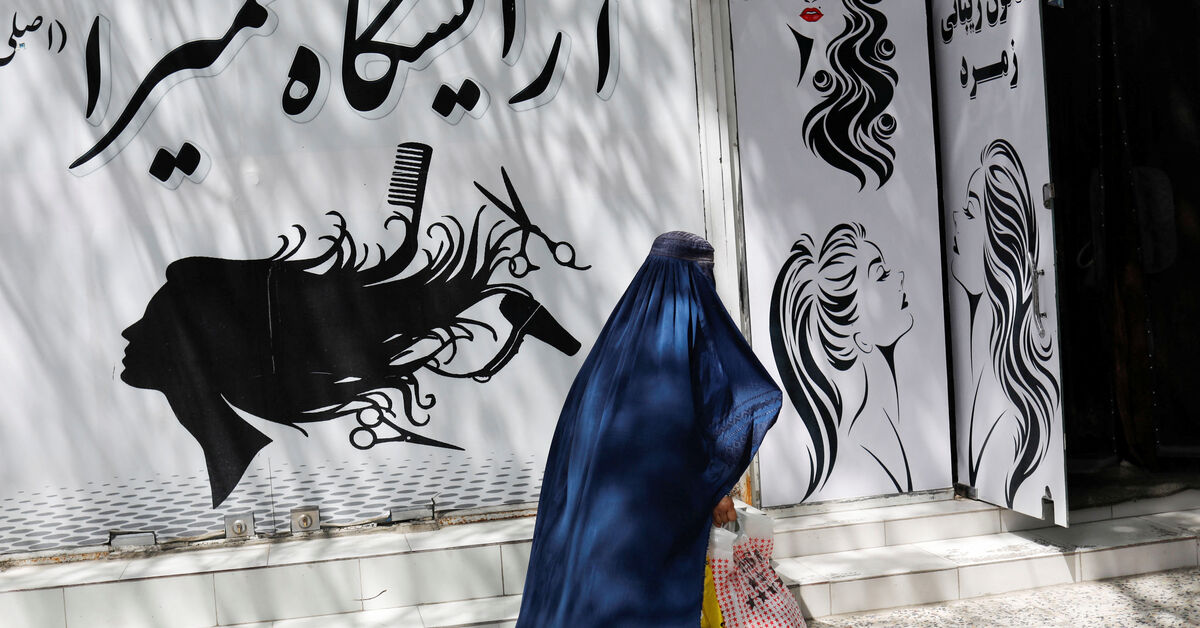
The United Nations Assistance Mission in Afghanistan (UNAMA) has voiced its deep concern regarding the arrest of several women in Herat, where they were detained for alleged non-compliance with the enforced dress codes. Reports indicate that at least 21 women and girls were arrested in this incident, prompting widespread reactions from the international community.
While UNAMA did not provide precise details about the number of detained women, local reports confirmed that the arrests were made as part of the Taliban's enforcement of strict dress codes imposed on women. These measures have raised significant concerns about women's rights in Afghanistan, especially given the current conditions the country is facing.
Details of the Incident
These arrests come at a sensitive time as the Taliban seeks to consolidate its power following its takeover in August 2021. The new government has issued a series of laws aimed at regulating women's lives, including dress codes that require women to wear hijabs or burqas. These laws have sparked widespread controversy, with many viewing them as violations of basic human rights.
Although the Taliban has not responded to media requests for comments, these arrests reflect the ongoing challenges faced by women in Afghanistan. Human rights activists have pointed out that these actions are not new but are part of a broader policy aimed at restricting women's freedoms in Afghan society.
Background & Context
Historically, Afghanistan has experienced periods of both progress and regression concerning women's rights. During the Taliban's first rule (1996-2001), strict restrictions were imposed on women, leading to a significant decline in their rights. However, after the Taliban was overthrown, women experienced some advancements in education and employment. Yet, with the Taliban's return to power, these gains have begun to fade.
The issue of women's rights in Afghanistan is a sensitive topic on the international stage, with many countries and NGOs closely monitoring the situation. The United Nations has expressed concern that these policies could exacerbate the humanitarian situation in the country.
Impact & Consequences
The continued enforcement of these policies by the Taliban could worsen the humanitarian crises in Afghanistan, where the country is already suffering from severe shortages of resources and basic needs. Additionally, these policies may lead to increased international isolation for Afghanistan, as countries may take further steps to pressure the Afghan government.
Moreover, restricting women's rights could negatively impact social stability in the country. Women are an essential part of society, and ignoring their rights could exacerbate internal tensions and conflicts.
Regional Significance
The issue of women's rights in Afghanistan is particularly significant for Arab countries, many of which face similar challenges. The restriction of women's rights in Afghanistan could have negative repercussions on efforts to promote women's rights in the region. Furthermore, the situation in Afghanistan may raise concerns among Arab nations regarding the overall stability of the region.
In conclusion, the recent arrests of women in Afghanistan represent a troubling step backward for women's rights. The international community must take a firm stance against these violations and work to support women's rights in Afghanistan and around the world.