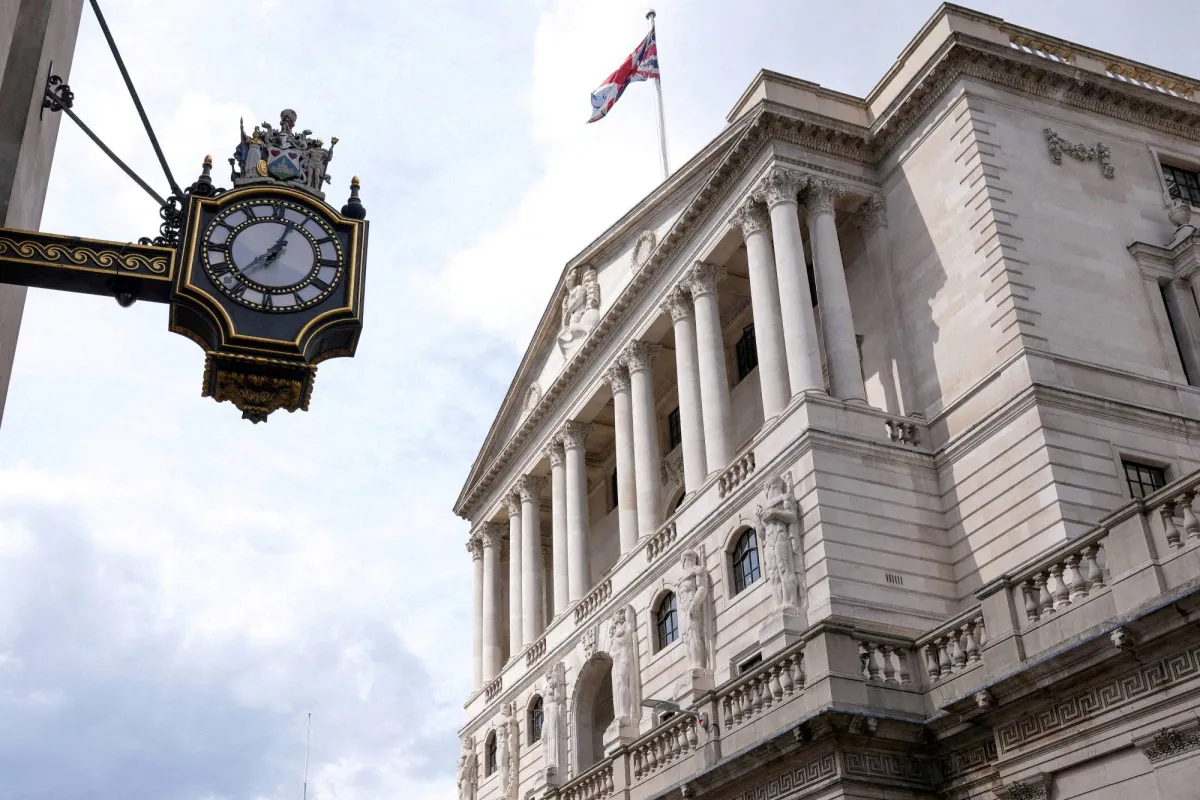
Alan Taylor, a member of the Bank of England's Monetary Policy Committee, confirmed that current interest rates are considered restrictive for the economy, noting that there is no need to raise them to counter the rising inflationary pressures resulting from geopolitical developments in the region.
In an interview with Sky News, Taylor expressed comfort with the current situation, provided that worst-case scenarios do not materialize, and he hopes this crisis will end soon.
Event Details
Taylor was one of the prominent advocates for lowering interest rates before the outbreak of the U.S.-Israeli war with Iran. Since then, he and the majority of committee members have voted to keep borrowing costs unchanged. The discussion around lowering interest rates has become more complex, as the focus has shifted to the possibility of returning to monetary tightening again.
Meghan Greene, another member of the Monetary Policy Committee, believes that ongoing geopolitical tensions in the Middle East could increase inflation risks, not only through energy prices but also through their impact on wages, pricing behavior, and inflation expectations.
Background & Context
This statement comes at a time when the British economy is experiencing increasing inflationary pressures, making it challenging for monetary policymakers to make decisive decisions regarding interest rates. Some members have warned that excessive hesitation could be costly, indicating that raising rates to 4% may become an option if inflationary pressures persist.
At the same time, the Organization for Economic Cooperation and Development (OECD) adopts a more cautious outlook, expecting interest rates to remain stable throughout this year before decreasing later in 2027, reflecting a divergence between inflation risks and economic slowdown risks.
Impact & Consequences
Current developments indicate that the quantitative tightening program is gradually reshaping the financial environment. Bank of England Governor Andrew Bailey noted that the bank's reserves have decreased to about £640 billion, down from a peak of around £980 billion. This suggests that quantitative tightening is effectively tightening financial conditions indirectly.
Despite the interest rate remaining at 3.75%, the reduction in reserve size means continued liquidity withdrawal from the financial system, providing policymakers with an additional reason to exercise caution. Raising interest rates alongside quantitative tightening could send a strong message against inflation, but it may increase pressures on an economy that remains relatively fragile.
Regional Significance
These developments at the Bank of England impact global financial markets, including Arab markets. Any changes in British monetary policy could affect investment flows and exchange rates in the region.
In light of increasing geopolitical tensions, Arab countries must monitor developments in the British economy and their impact on local markets, especially given the significant reliance on foreign investments.
The economic situation in Britain remains under observation, as policymakers seek to balance combating inflation with supporting economic growth.