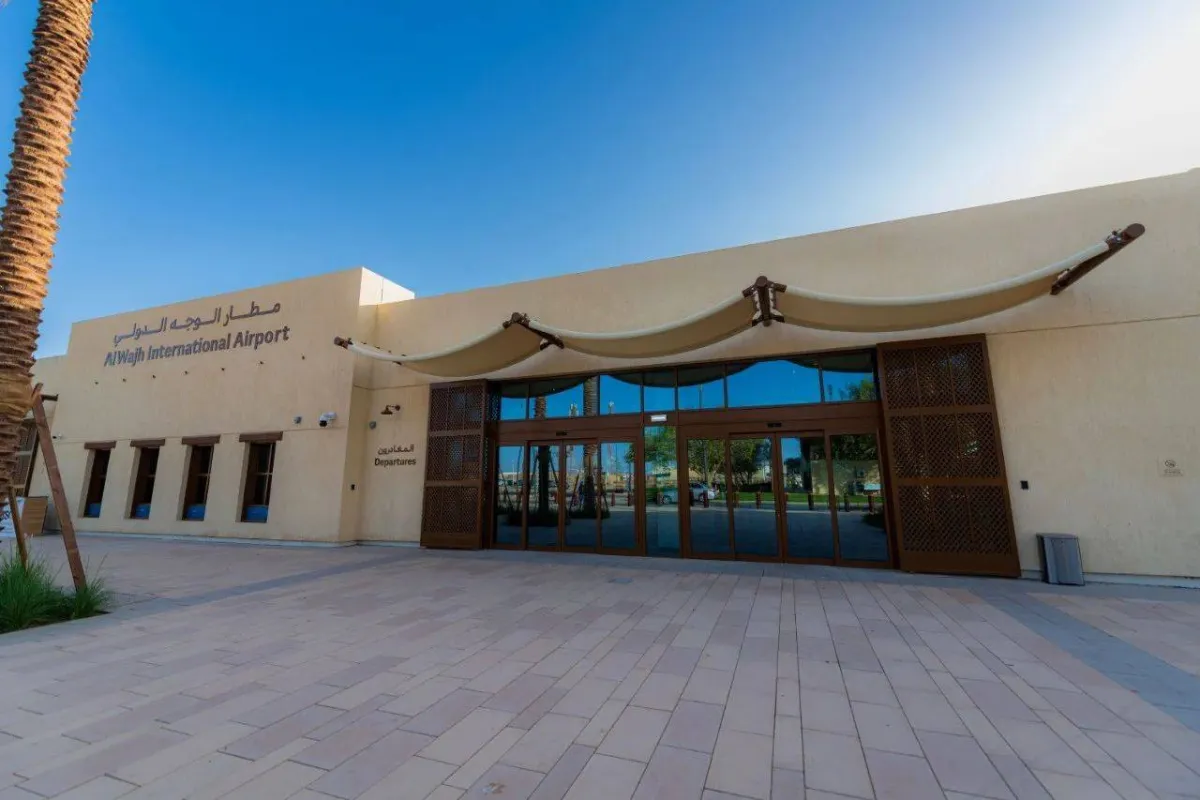
The Red Sea International Company has announced the reopening of Al-Wajh International Airport in northwestern Saudi Arabia, following the completion of a comprehensive two-year development project. The airport will resume regular commercial flights starting May 24, 2026, in a move aimed at enhancing air connectivity and supporting tourism and economic growth in the Tabuk region.
The airport will initially operate with five weekly flights through Saudi Airlines, including three flights from Riyadh and two flights from Jeddah. The flight network is expected to expand in the coming period with the launch of international flights, reflecting the trend towards enhancing air traffic in the region.
Event Details
John Pagano, the CEO of the Red Sea International Group, stated that the project goes beyond merely developing an existing airport, as it seeks to enhance connectivity between communities and stimulate economic growth. The airport has now become qualified to receive international flights, contributing to linking the Tabuk region with various parts of the Kingdom and global markets.
According to the company, the development works have increased the airport's capacity to 500,000 passengers annually, compared to 100,000 passengers previously. Its operational capacity now reaches 330 passengers per hour during peak times through four gates for arrivals and departures, reflecting significant improvements in the airport's infrastructure.
Background & Context
Al-Wajh International Airport represents one of the strategic assets supporting the development of the Amaala destination, which is preparing to welcome its first visitors in the coming months. Amaala is located approximately 45 minutes by electric vehicles and 20 minutes by seaplanes from the airport, enhancing the region's appeal as a major tourist destination.
The development works included updating terminal facilities and elevating the level of services provided to travelers, through the establishment of hospitality lounges, cafes, and shopping outlets. Banking services, car rentals, and vehicle parking have also been provided, significantly improving the travel experience.
Impact & Consequences
The airport is expected to contribute to revitalizing tourism, supporting the business sector, and expanding the labor market in the Tabuk region. It also enhances connectivity between provinces and population centers in northwestern Saudi Arabia, opening new horizons for economic and social development.
Abdulaziz Al-Abdan, the Executive Director of Aviation Management and Airport Operations at Red Sea International, clarified that the project is designed to accommodate larger aircraft and an increasing number of passengers. He also confirmed ongoing collaboration with airlines and regulatory bodies to develop the flight network in line with the anticipated growth in demand over the coming years.
Regional Significance
The reopening of Al-Wajh International Airport is a significant step in enhancing tourism in Saudi Arabia, aligning with the Kingdom's Vision 2030, which aims to diversify the economy and increase non-oil revenues. This development also reflects the Saudi government's commitment to improving infrastructure and enhancing air connectivity.
In conclusion, Al-Wajh International Airport serves as a model for positive developments in the aviation sector in the Kingdom, contributing to strengthening its position as a leading tourist destination in the region.