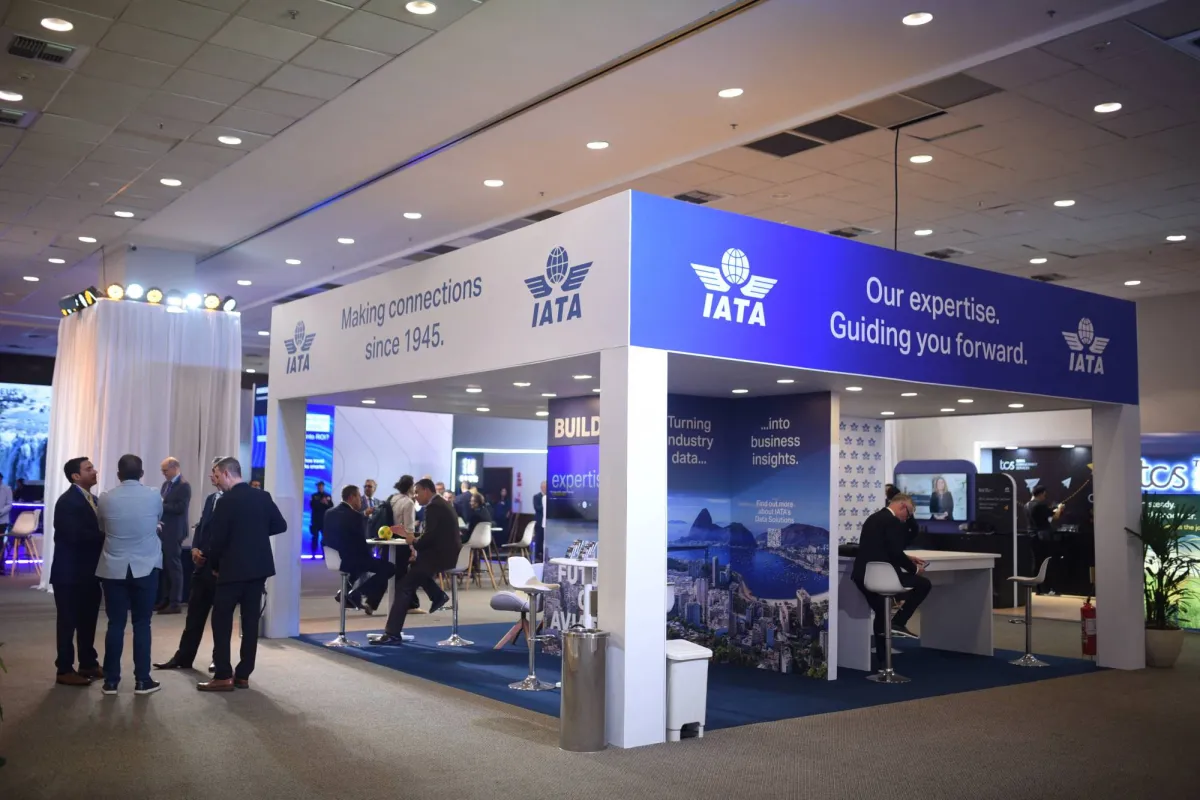
Roberto Alvo, the CEO of LATAM Airlines Group, has assumed the role of Chair of the Board of Governors of the International Air Transport Association (IATA), taking over from Luis Gallego, the CEO of International Airlines Group. This change was announced at the end of the 82nd annual meeting of the association in Rio de Janeiro, Brazil.
The association stated in an official announcement that Alvo will hold the position for a term of one year, having been a member of the board since 2020, while Gallego will continue his membership in the board. Alvo emphasized the importance of the aviation sector in enhancing connections between individuals and supporting trade and economic development globally, stressing that improving safety, operational efficiency, and sustainability will remain top priorities for the sector.
Event Highlights
During his speech, Alvo underscored the necessity of collaborating with IATA members, governments, and industry partners to ensure that aviation continues to be a driving force for opportunities and growth. Alvo has over 25 years of experience in the aviation sector, having joined LAN Airlines in 2001 before it became LATAM Airlines Group, where he held several leadership positions in finance, commercial affairs, and strategy.
Alvo led the company through significant challenges, including its restructuring under Chapter 11 of the U.S. Bankruptcy Code, as well as managing the fallout from the COVID-19 pandemic, overseeing the group's exit from that phase in 2022.
Background & Context
Under Alvo's leadership, LATAM Airlines has solidified its position as the largest airline group in Latin America by expanding its regional and international flight network, implementing sustainability plans, and achieving strong operational and financial results. Currently, the group serves over 161 destinations in 27 countries.
Willie Walsh, the Director General of IATA, praised Gallego's contributions during his presidency, particularly in developing the governance of the association, affirming that Alvo possesses the necessary experience to support the association's work amid the challenges facing the global aviation industry.
Impact & Consequences
The association also announced the election of Mohammed Nani, Chairman of Pegasus Airlines, as the elected Chair of the Board of Governors, set to assume the position in June 2027 after Alvo's term ends. IATA represents approximately 370 airlines worldwide, accounting for over 85% of global air traffic, highlighting the critical role it plays in fostering cooperation among nations.
These changes come at a crucial time for the sector, which is striving to recover from the pandemic's effects and global economic challenges. It requires a concerted effort between companies and governments to ensure sustainable growth in this vital sector.
Regional Significance
The aviation sector is a cornerstone of the Arab economy, contributing to the enhancement of tourism and trade between countries. With Alvo taking the helm at IATA, it is expected that his leadership will positively influence aviation strategies in the region, especially given the challenges it faces.
In conclusion, Alvo's appointment as Chair of IATA marks a significant step towards strengthening international cooperation in the aviation sector, with everyone looking forward to seeing how his leadership will impact the future of this vital industry.