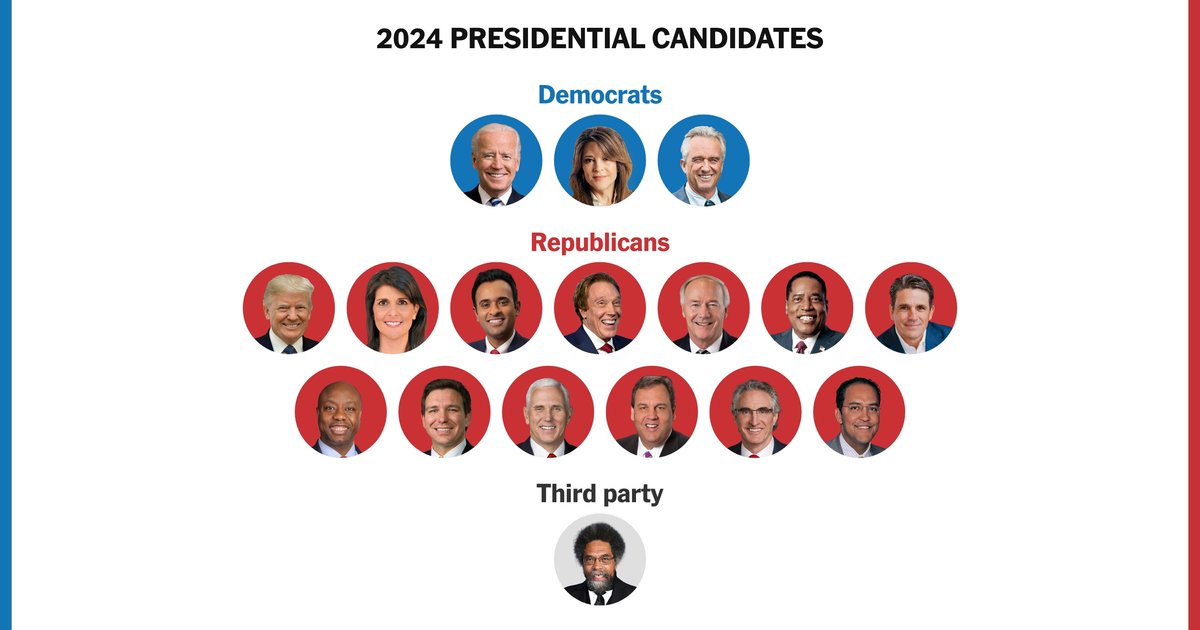
Political events in the United States are accelerating as the presidential elections scheduled for November 2024 draw near, with rising tensions between the two main parties, the Democratic and Republican parties. Reports indicate that election campaigns are becoming increasingly intense, which may affect the political stability in the country.
In this atmosphere, discussions are intensifying around key issues that concern voters, such as the economy, healthcare, immigration, and national security. There is also growing interest from the media and international observers regarding how these elections will impact U.S. foreign policy.
Event Details
The United States is preparing to welcome a large number of candidates vying for their party's nomination. Many of these candidates have begun organizing their campaign events, aiming to attract voters by presenting their electoral programs. At the same time, opinion polls continue to show a divergence of opinions regarding the leading candidates.
Attention is focused on prominent candidates such as current President Joe Biden, who is seeking re-election, and his potential rival from the Republican Party, Donald Trump. The election campaigns are expected to witness fierce confrontations between the two sides, which may exacerbate political divisions in the country.
Background & Context
Historically, presidential elections in the United States have represented critical moments in shaping both domestic and foreign policy. Since the founding of the country, elections have seen numerous shifts that have influenced the course of American history. In recent years, elections have become more polarized, with heightened political rhetoric and decreased levels of cooperation between parties.
The upcoming elections come amid significant challenges, including economic crises and climate change, as well as social issues such as human rights and equality. These factors play a crucial role in shaping voter priorities, making the upcoming elections pivotal in determining the country's future.
Impact & Consequences
The American presidential elections have a significant impact on international politics, as the United States is considered one of the world's superpowers. Any change in leadership or policy can have far-reaching effects on international relations, including issues related to trade, security, and climate.
Moreover, the election results may affect the stability of global financial markets, as markets react to any potential changes in American economic policy. Analysts expect that the elections will lead to fluctuations in the markets, especially if the results are unexpected or controversial.
Regional Significance
The American elections hold particular importance for the Arab region, as U.S. foreign policy directly impacts many regional issues, such as the Israeli-Palestinian conflict and crises in Syria and Libya. Additionally, U.S. relations with Gulf countries play a pivotal role in the region's stability.
Under these circumstances, Arab leaders and analysts are closely monitoring the developments of the American elections, as the results could influence their political and economic strategies. Any changes in American policy could reshape relations between the United States and Arab countries, making these elections crucial for the region's future.
In conclusion, the American presidential elections remain a significant event not only for the United States but for the entire world. As the election date approaches, anticipation is growing regarding the results and their potential impacts on both the local and international political landscape.