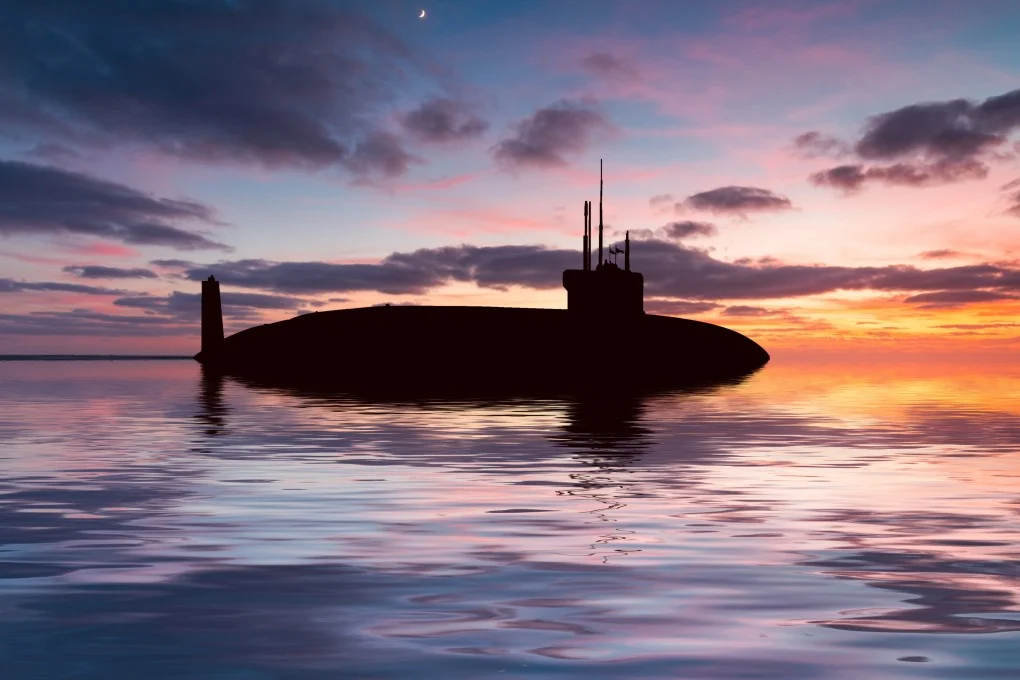
The South Korean Ministry of Defense revealed this week its plans to build the country's first nuclear submarine, marking a strategic step to bolster defense capabilities in the Pacific region. These submarines are expected to enhance the underwater capabilities supported by the United States, increasing deterrence against potential threats from China and North Korea.
This initiative follows a period of escalating tensions in the region, as South Korea seeks to strengthen its national security amidst growing challenges. Detailed plans for the program were presented as the South Korean government aims to develop its military capabilities in line with regional threats.
Details of the Initiative
The South Korean plans include the construction of advanced nuclear submarines, which will be the first of their kind in the country's history. Officials have indicated that these submarines will be used to enhance maritime defense capabilities, allowing South Korea to conduct underwater operations more effectively. These submarines are expected to be operational by the middle of the next decade, thereby enhancing the country's ability to address security threats.
This move is part of a broader strategy aimed at strengthening defense cooperation with the United States, as the alliance between the two countries is considered a key element in achieving stability in the region. These submarines are anticipated to contribute to deterrence against any potential threats from North Korea, which continues to develop its nuclear and missile programs.
Background & Context
Historically, South Korea has relied on the United States for defense; however, with increasing regional tensions, the country has begun to seek ways to independently enhance its military capabilities. In recent years, there has been a surge in military activities from North Korea, prompting South Korea to reassess its defense strategies.
In past years, South Korea has bolstered its military capabilities through the acquisition of advanced weaponry and the development of domestic programs. Nevertheless, the construction of nuclear submarines is considered an unprecedented step in the country's history, reflecting the government's commitment to strengthening national security.
Impact & Consequences
This initiative represents a significant shift in the balance of power in the Pacific region, as it is expected to enhance South Korea's ability to confront military threats. Additionally, these submarines will improve the country's capacity to conduct underwater operations, enabling a quicker and more effective response to any threats.
Moreover, the enhancement of South Korea's defense capabilities could lead to increased tensions with China, which is viewed as one of the main adversaries in the region. This move may be perceived as a challenge to Chinese influence in the Pacific, potentially escalating tensions between the two nations.
Regional Significance
While events in the Pacific region may seem distant from the Arab world, they indicate a shift in the global balance of power. These developments could impact regional stability, as military tensions in any part of the world have global repercussions. Furthermore, the enhancement of military capabilities in any country may lead to increased tensions in other areas, including the Middle East.
In conclusion, South Korea's plans to build nuclear submarines represent a strategic step reflecting the increasing security challenges in the region and indicate a shift in defense strategies in response to regional threats.