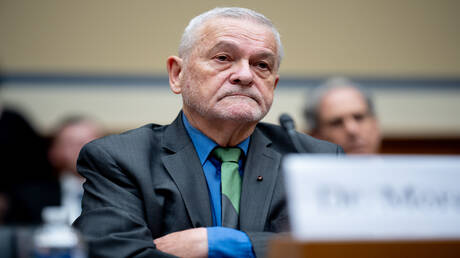
U.S. authorities have today, Tuesday, charged a former advisor to Anthony Fauci, the former White House medical advisor, with concealing official documents related to COVID-19 research during the pandemic. These charges arise at a sensitive time as scrutiny increases regarding how the U.S. government managed the global health crisis.
The accusations involve sensitive information that was prepared as part of the research related to the COVID-19 virus, which has affected millions of people worldwide. It is believed that these documents may contain significant information crucial for understanding how the virus evolved and how the government responded to it.
Details of the Incident
Reports indicate that the former advisor has been accused of hiding official communications related to COVID-19 research, raising questions about transparency and accountability in health crisis management. Evidence supporting these accusations has been submitted to the relevant authorities, which could lead to broader investigations into this matter.
This case is expected to have serious legal repercussions, as the former advisor could face penalties including imprisonment if the charges are proven. Additionally, this case may open the door for further investigations into how the U.S. government handled information related to the virus.
Background & Context
These accusations come in the context of the COVID-19 crisis that has impacted the entire world since the beginning of 2020. The United States has faced widespread criticism regarding its response to the pandemic, with the government accused of lacking transparency in information related to the virus.
Since the onset of the pandemic, there have been increasing calls for the disclosure of information related to COVID-19 research, especially following questions regarding the origin of the virus and its transmission methods. Concerns have been raised that concealed information could affect the government's response to future crises.
Impact & Consequences
If the accusations are proven true, this case could lead to a loss of trust in government health institutions, which may impact the country's response to future health crises. Furthermore, this case could spark debate over how sensitive information is managed during crises.
Moreover, these accusations could lead to renewed calls for reforms in how health research is managed and for greater transparency in information. This could have significant implications for how governments handle health crises in the future.
Regional Significance
As concerns about COVID-19 continue to rise globally, this case may influence how Arab nations handle health information. These events could raise questions about transparency and accountability in health crisis management in the region.
Additionally, this case could prompt Arab countries to strengthen their health systems and adopt more transparent policies regarding health research information, potentially improving the region's response to future crises.