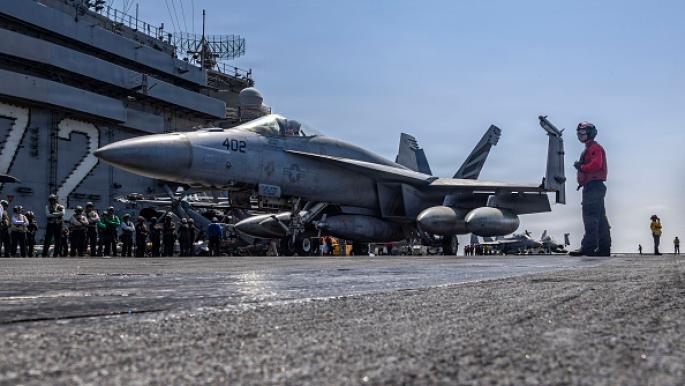
In a historical paradox, the United States suffered enormous financial losses in its war against Iran, with costs reaching nearly $1 trillion, despite the war lasting only 40 days. These figures prompt inquiries into U.S. military strategies and crisis management.
The Iran War is considered one of the most impactful conflicts on U.S. foreign policy, highlighting the significant gap between financial costs and the duration of the war. While the Vietnam War lasted for years, the conflict against Iran, which began in 2003, was short yet extremely costly.
Financial Details of the Conflict
Estimates indicate that the financial burden of the war on Iran exceeded all expectations, reflecting a failure to achieve the desired objectives. While the U.S. hoped to stabilize the region, the outcomes were contrary, as tensions escalated rather than diminished.
These costs include military expenditures, as well as the economic impact stemming from instability in the region. The war has also exacerbated humanitarian crises in Iran, increasing pressure on the U.S. government to justify its military intervention.
Background & Context
Historically, the United States has been involved in numerous wars that have cost it substantial resources. However, the Iran War stands out for being relatively short, making the high financial cost even more surprising. The conflict dates back to the post-Iranian Revolution period in 1979, when the U.S. began facing new challenges in the Middle East.
The short duration of the war juxtaposed with its exorbitant costs raises critical questions about strategic planning and execution. The U.S. military's involvement in Iran has not only strained financial resources but has also led to a reevaluation of its military objectives.
Impact & Consequences
The exorbitant cost of the war on Iran underscores the necessity for reassessing U.S. military strategies. Reports have shown that this expenditure did not lead to the attainment of political goals but instead increased polarization in the region. Furthermore, these figures reflect a failure in strategic planning, raising doubts about the effectiveness of U.S. foreign policy.
As the U.S. grapples with the ramifications of its actions, the need for a comprehensive review of military strategies becomes increasingly evident. The lessons learned from the Iran War could shape future U.S. engagements and policy decisions.
Regional Significance
The financial toll of the Iran War highlights the widening gap between costs and results in U.S. military strategies. The implications of this conflict extend beyond U.S. borders, affecting regional stability and international relations.
In conclusion, the staggering costs associated with the war against Iran serve as a critical reminder of the complexities involved in military interventions. As the U.S. seeks to navigate its role in the Middle East, the lessons learned from this costly engagement will be pivotal in shaping future strategies.