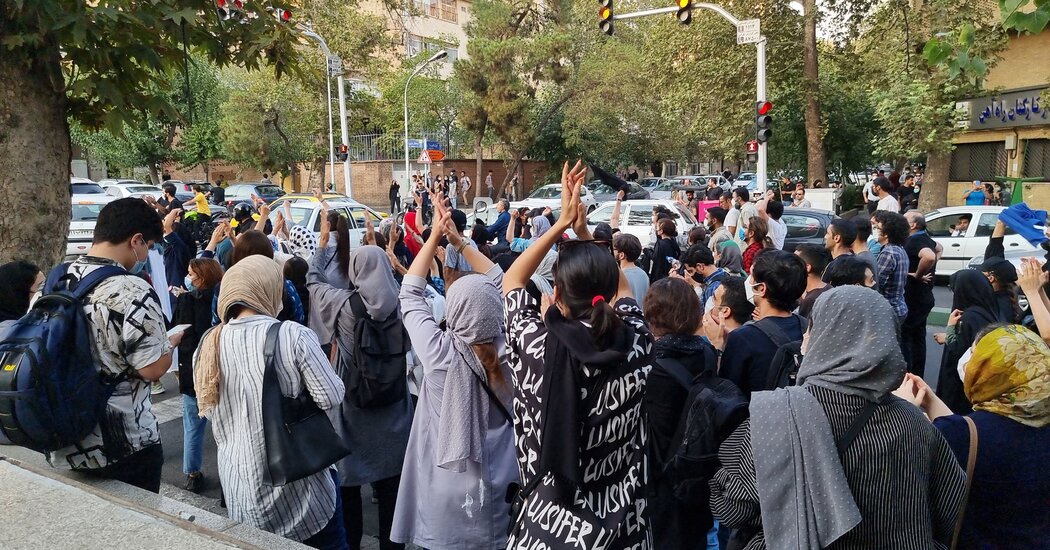
All eyes are on Iran, where the hijab issue is undergoing radical transformations that reflect a growing struggle between the desire for liberation and the official restrictions imposed. Recently, strong calls have emerged from wide segments of Iranian society demanding a reconsideration of the laws related to the hijab, raising questions about the future of this issue in the country.
These transformations coincide with the escalation of popular protests that erupted following the mysterious death of young Mahsa Amini, which sparked widespread anger in the Iranian streets. These protests have led to increasing calls for the abolition of strict hijab laws, as demonstrators demand a radical change in social and cultural policies.
Details of the Protests
In recent months, Iranian cities have witnessed massive demonstrations, where protesters have raised slogans calling for freedom and equality. Videos circulating on social media have shown women removing their hijabs in defiance of existing laws. This phenomenon reflects a deep desire for change, as many see the hijab as a symbol of the restrictions imposed on individual freedom.
Despite the repression faced by the protests, the voices calling for change continue to rise. Polls have shown that a significant percentage of Iranians support easing restrictions on the hijab, reflecting a shift in social attitudes towards this issue.
Background & Context
The roots of hijab laws in Iran date back to the Islamic Revolution of 1979, when the hijab was imposed as part of the state's Islamic identity. Since then, these laws have become a subject of extensive debate, as segments of society consider them a violation of women's rights.
Over the past decades, Iran has witnessed significant social and cultural changes, with women beginning to demand more rights and freedoms. However, the government remains committed to enforcing strict laws, leading to rising tensions between the authorities and civil society.
Impact & Consequences
These transformations regarding the hijab issue are indicative of broader changes in Iranian society. If protests continue and pressure on the government increases, we may witness radical changes in social and cultural policies in the country. These transformations could affect Iran's relations with other countries, especially those concerned with human rights.
Moreover, this issue could inspire similar movements in other countries in the region, where women face similar restrictions. Iran could serve as a model in the pursuit of liberation and equality.
Regional Significance
The hijab issue in Iran holds particular importance for the Arab region, where many social and cultural issues intersect. Changes in Iran may influence women's movements in Arab countries, as women strive to achieve their rights in the face of traditions and social constraints.
Furthermore, changes in Iran could open the door to broader discussions about women's rights in the Islamic world, reflecting a growing desire for change and reform.
In conclusion, the hijab issue in Iran remains in the spotlight, reflecting the struggle between tradition and modernity. The transformations taking place in the country could mark the beginning of a new phase of social and cultural change.