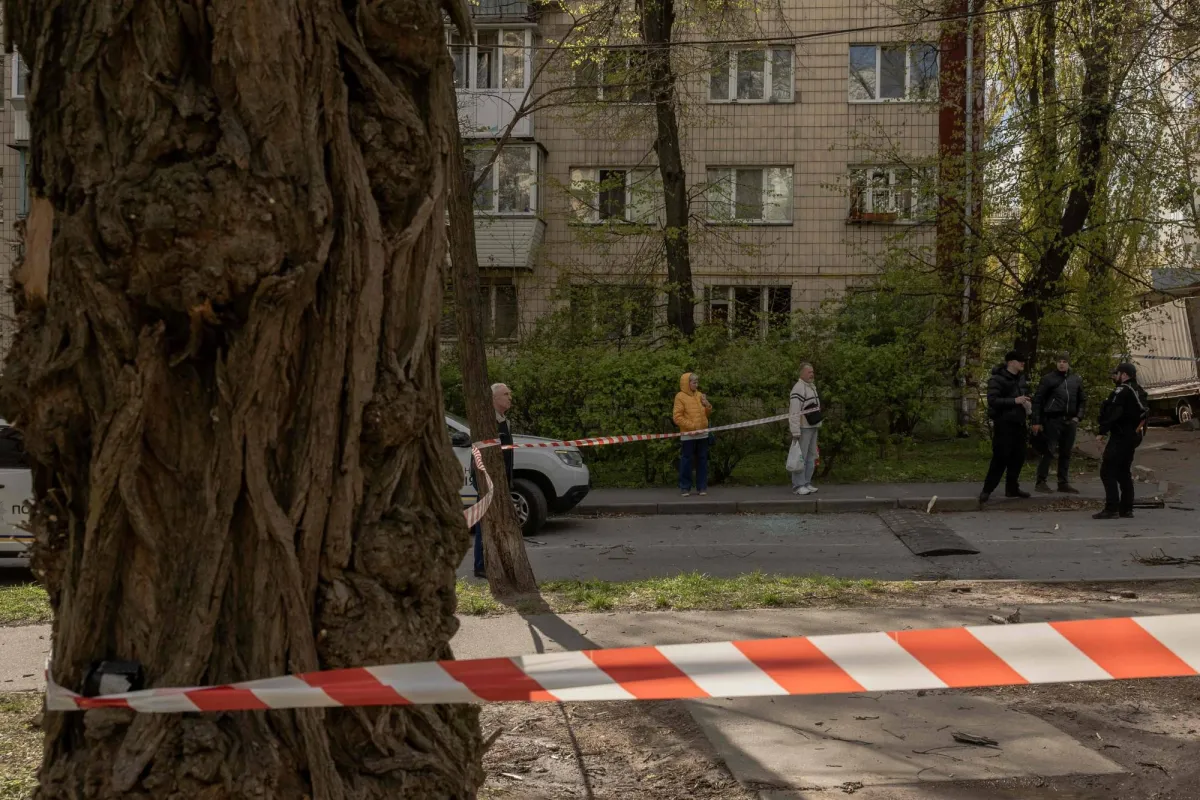
On Saturday, Russia and Ukraine exchanged accusations of violating the ceasefire mediated by the United States, which was announced by U.S. President Donald Trump for a duration of three days. This development has sparked international concern regarding the continuation of the conflict in the region.
In a statement, the Ukrainian General Staff reported that Russian forces launched 51 attacks since the start of the day, reflecting an escalation in hostilities despite the ceasefire declaration. On the other hand, the Russian Ministry of Defense confirmed that Ukrainian armed groups conducted attacks using drones and artillery on Russian positions, complicating the security situation in the area.
Details of the Incident
This exchange of accusations comes at a sensitive time, as the international community seeks to find lasting solutions to the ongoing conflict between the two countries. The ceasefire was announced as a first step towards easing tensions; however, the exchanged statements indicate that matters may spiral out of control once again.
This truce, announced as part of U.S. efforts, aims to improve humanitarian conditions in the region, where civilians are suffering from the repercussions of the conflict. Nevertheless, the ongoing attacks from both sides raise questions about the effectiveness of these efforts.
Background & Context
The roots of the conflict between Russia and Ukraine date back to 2014, when Russia annexed Crimea, leading to heightened military tensions. Since then, the region has witnessed numerous armed clashes, resulting in thousands of casualties and the displacement of millions.
Over the years, several countries and international organizations have attempted to mediate the conflict, but to no avail. The United States is among the prominent countries seeking a peaceful resolution, yet the ongoing escalation complicates these efforts.
Impact & Consequences
Repeated violations of the ceasefire could exacerbate humanitarian conditions in Ukraine, where residents are facing shortages of essential supplies. Additionally, the continuation of the conflict may negatively impact regional stability, potentially leading to repercussions for neighboring countries.
Moreover, military escalation could provoke reactions from the international community, possibly resulting in new sanctions against Russia or increased military support for Ukraine. These dynamics could reshape international relations in the region and heighten tensions among major powers.
Regional Significance
The events in Ukraine hold particular significance for the Arab region, as Arab countries monitor the developments of the conflict and its impact on regional security. Armed conflicts in other parts of the world, including the Middle East, may draw lessons from the Ukrainian conflict.
Furthermore, any escalation in the conflict could affect energy prices and global markets, reflecting on the economies of Arab countries that rely on oil exports. Therefore, the situation in Ukraine requires careful monitoring by Arab nations.
In conclusion, the situation in Ukraine remains tense, with ongoing exchanges of accusations between Russia and Ukraine. The international community's efforts to find a peaceful resolution to the conflict face significant challenges, making the future of the region uncertain.