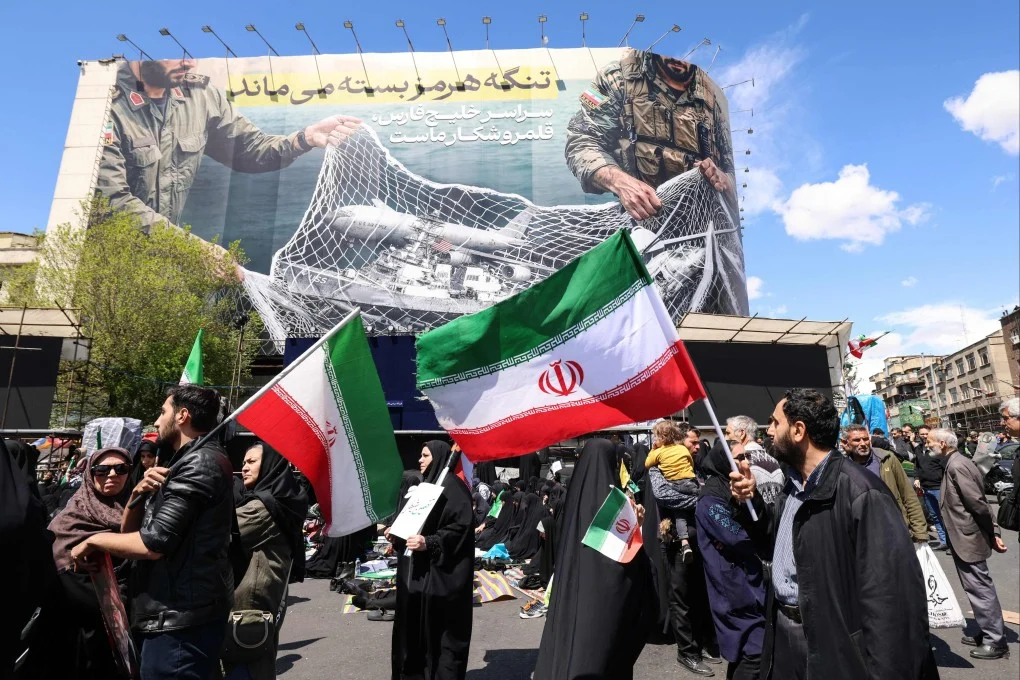
The United States and Iran have entered into a two-week ceasefire agreement after a five-week conflict, reflecting a strategic failure for President Donald Trump. This agreement was reached after Trump set a deadline for Iran to comply with his demands, threatening to destroy Iranian civilian infrastructure if they did not respond.
The agreement, mediated by Pakistan, is considered a fragile achievement, limited to a short period of calm while tensions in the Gulf remain high. This development illustrates how American military power, despite its superiority, has not led to tangible strategic outcomes against Iran.
Details of the Agreement
While the United States believed it had the upper hand in the conflict, analyses showed that Iran managed to withstand military pressures. The agreement includes specific terms, such as conditional passage through the Strait of Hormuz, reflecting the importance of these waterways in the regional conflict.
China has also intervened in this context, indicating that the Iranian-American conflict transcends the borders of the two countries and involves other global powers. This intervention could alter the dynamics of the conflict and reflect the shifting balance of power in the region.
Background & Context
Historically, U.S.-Iranian relations have seen increasing tensions since the Islamic Revolution in 1979. Since then, the United States has pursued a policy of pressure and sanctions against Iran, leading to escalating military and economic disputes. In recent years, these tensions have intensified with the U.S. withdrawal from the Iranian nuclear deal in 2018.
This historical context reflects how the current conflict is not merely a military confrontation but a struggle for influence in a resource-rich region. Iran considers itself a regional power, while the United States seeks to diminish its influence.
Impact & Consequences
The consequences of this agreement could be far-reaching. While it appears that the United States has achieved a military victory, the failure to meet its strategic objectives may lead to a loss of credibility in the region. This could encourage other countries to challenge U.S. dominance.
Moreover, this failure may affect U.S. relations with its allies in the region, who may feel concerned about the United States' ability to protect their interests amid rising Iranian influence.
Regional Significance
This agreement reflects the strategic challenges facing the United States in the Gulf region and highlights the importance of regional and international balances. The evolving dynamics of the conflict underscore the need for a comprehensive approach to address the underlying issues.
In conclusion, the ceasefire agreement, while a temporary measure, may have significant implications for future U.S.-Iran relations and the broader geopolitical landscape in the Middle East.