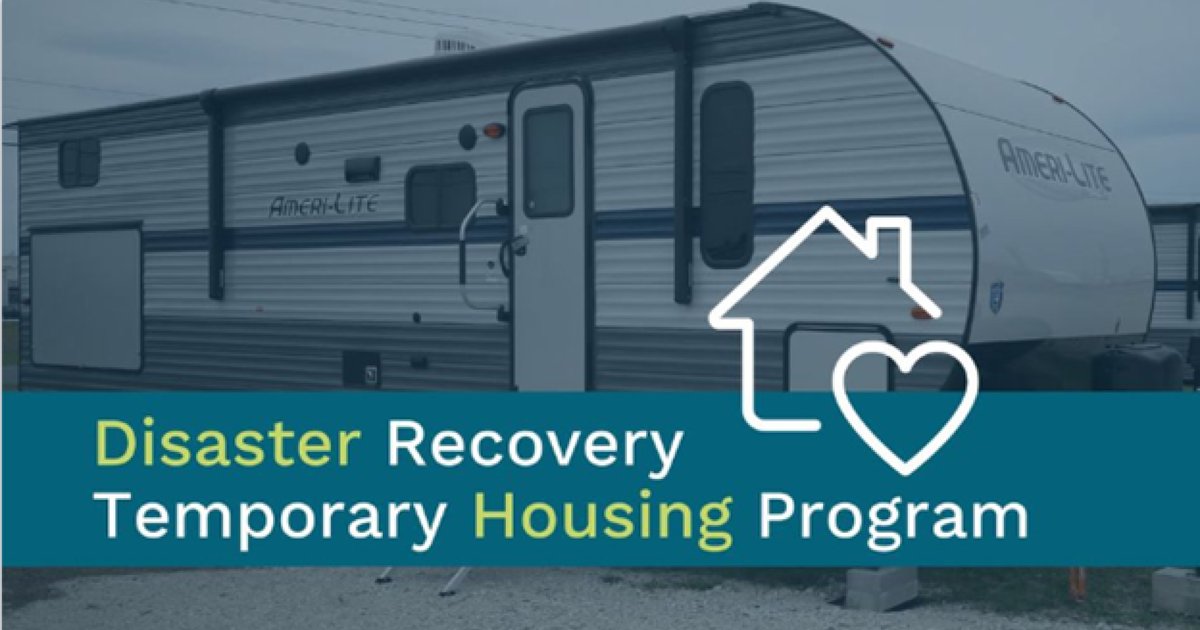
In a move reflecting the Indonesian government's commitment to enhancing post-disaster rehabilitation efforts, the Task Force for Accelerating Post-Disaster Rehabilitation and Reconstruction (PRR) announced its response to a request from Aceh Tamiang's regent, Armia Fahmi, to add 97 temporary housing units for victims of natural disasters. These units aim to provide shelter for displaced individuals who have been forced to leave their homes due to damage.
This announcement was made during a press conference held by Safrizal Zain Al-Abidin, head of the PRR Operations Center in Aceh, where he explained that the request was submitted after displaced individuals reported their urgent need to return home. Safrizal confirmed that the new housing units will be built in safe locations away from areas prone to flooding and landslides.
Details of the Initiative
During the meeting, Safrizal noted that the demand for temporary housing units arose as life began to return to normal in the area. The PRR expressed its readiness to collaborate with the National Disaster Management Agency (BNPB) to construct the new units. He emphasized that the construction process would take approximately three to four weeks, although there are challenges related to the availability of raw materials and rising steel prices.
Safrizal also mentioned the urgent need to carefully select construction sites, as field assessments will be conducted to ensure the safety of the proposed locations. He assured that all requests would be processed based on data available from the Central Bureau of Statistics and National Identity Number to ensure that beneficiaries are those who truly deserve assistance.
Background & Context
Historically, the Aceh region has experienced numerous natural disasters, including earthquakes and floods, leading to the displacement of many residents. In 2004, the area was struck by a devastating earthquake that triggered a tsunami, claiming thousands of lives and destroying many homes. Since then, the Indonesian government has worked to improve its disaster response and enhance rehabilitation programs.
This step is part of the government's efforts to strengthen local communities' capacity to recover from disasters. Temporary housing units have been established in various areas of Aceh to meet the needs of the displaced. These units are considered a temporary solution until residents can permanently rebuild their homes.
Impact & Consequences
This initiative comes at a sensitive time, as many residents are suffering from the effects of natural disasters. The temporary housing units provide hope for many families who have lost their homes, helping to expedite the recovery process. Additionally, providing shelter is a crucial step in rebuilding trust between the government and citizens, as displaced individuals feel they are not alone in facing challenges.
However, there must be a continuous response to ensure that the needs of the affected are met. Economic challenges, such as rising material prices, may impact the speed of project implementation. Therefore, the government must work with the private sector and civil society to ensure the availability of necessary resources.
Regional Significance
Indonesia's experience in dealing with natural disasters serves as a model for many Arab countries facing similar challenges. Natural disasters do not recognize borders, and it is important for countries to learn from each other's experiences in crisis management. Arab nations can benefit from Indonesia's strategies in rehabilitation and recovery, enhancing their capacity to face disasters.
In conclusion, this news highlights the importance of collaboration between the government and local communities in addressing challenges. Providing shelter for the displaced is a vital step toward rebuilding affected communities, and efforts must continue to ensure that no one is left behind.