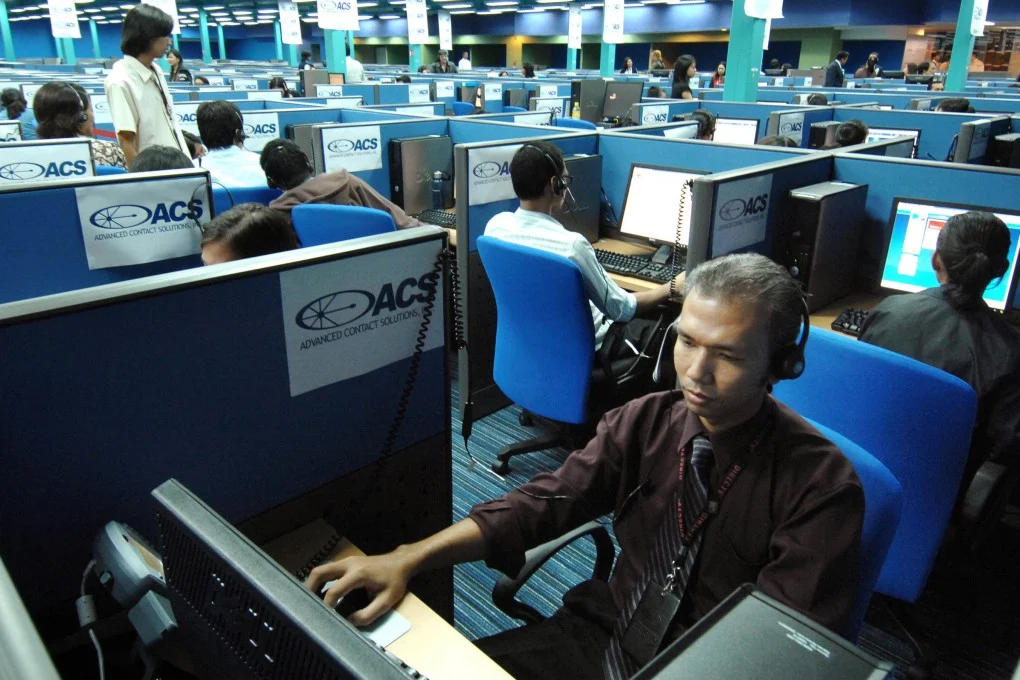
The call center industry in the Philippines is one of the largest sectors in the country, employing over one million individuals and generating billions of dollars in revenue. Workers in these centers are recognized by their familiar voices heard by callers from around the globe, reflecting the Philippines' potential to become a global hub for customer service. However, this industry is now facing new challenges that could impact its standing in the global market.
Reports indicate that the decline in educational standards in the Philippines may lead to a shortage of skills required for call center employees. Although the Philippines boasts a large base of English speakers, the current educational system is not producing graduates capable of meeting the increasing demands of the market.
Details of the Situation
Philippine call centers are considered a cornerstone of the economy, significantly contributing to job creation and economic growth. However, the challenges facing the educational system could lead to a deterioration in the quality of service provided. An analysis of the current situation reveals that many graduates lack essential skills, which poses a barrier to the industry's development.
In recent years, technology has begun to play an increasingly important role in the call center industry, with artificial intelligence expected to bring radical changes to service delivery. However, the growing reliance on technology may increase the need for advanced skills, highlighting the importance of improving the educational system.
Background & Context
Historically, the Philippines has been a preferred destination for call center services due to its ability to provide high-quality services at competitive prices. Since the turn of the millennium, the country has witnessed significant growth in this sector, allowing it to outpace other nations in the region. Nevertheless, the current challenges indicate a need to reassess educational and training strategies.
Education in the Philippines is a fundamental part of national identity, but economic and social changes have negatively impacted the quality of education. Numerous reports show an urgent need to reform the educational system to ensure that students are equipped with the skills necessary to face labor market challenges.
Impact & Consequences
If these trends continue, the Philippines may risk losing its status as a major center for call center services. A decline in educational quality could lead to decreased customer satisfaction, threatening the sustainability of the industry. Additionally, the increasing reliance on technology may widen the gap between the skills required and those available in the market.
Forecasts suggest that companies may have to seek alternatives in other countries, potentially leading to job losses in the Philippines. Therefore, addressing these issues is vital for maintaining economic growth and enhancing competitiveness.
Regional Significance
The Philippines is one of the countries contributing to technical support services for many companies in the Arab region. If the call center industry in the Philippines is affected, the level of services provided to clients in Arab countries may also suffer. This could lead to increased costs or reduced service quality, posing a challenge for Arab companies.
In conclusion, improving the educational system in the Philippines is crucial for ensuring the sustainability of the call center industry. The government and businesses must collaborate to find effective solutions that enhance educational quality and help meet the changing needs of the market.