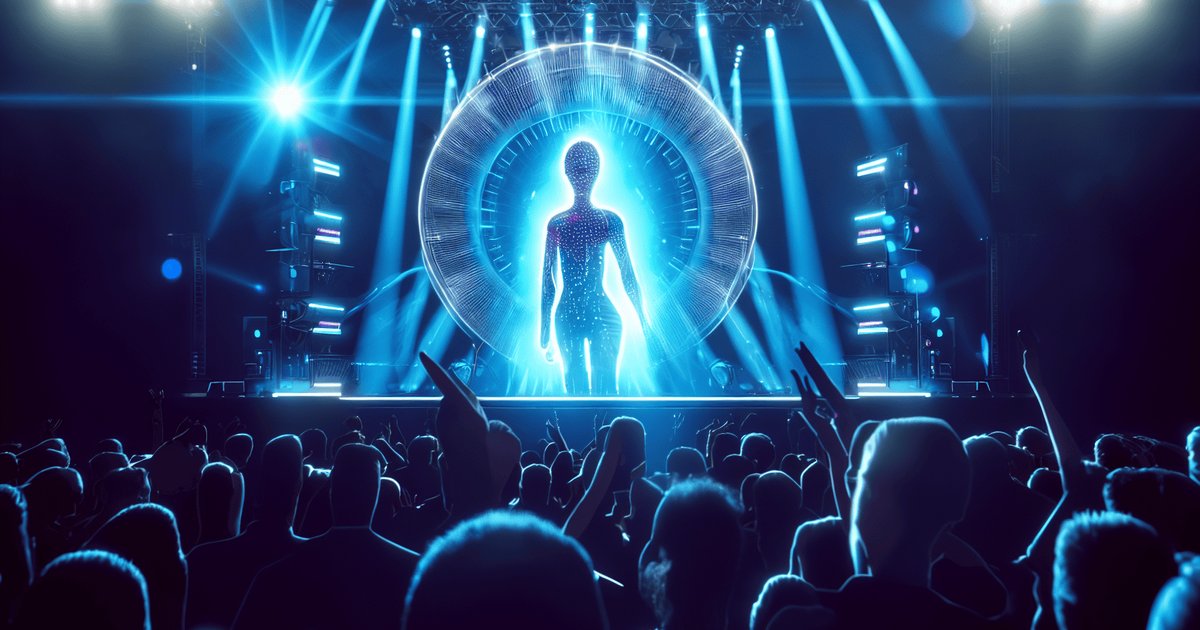
The number of songs produced using artificial intelligence technologies is on the rise, prompting questions about how music streaming platforms will address this phenomenon. In light of these developments, the music industry finds itself facing new challenges related to transparency and credibility.
Programs such as Suno and Udio offer advanced tools that allow users to easily create musical clips, contributing to the increase in AI-generated songs. However, these songs are often difficult to distinguish from those produced by traditional artists, placing streaming platforms in a precarious position.
Details of the Event
Reports indicate that many streaming platforms, such as Spotify and Apple Music, are struggling to determine whether they should inform listeners that the songs they are listening to have been created by artificial intelligence. This raises concerns regarding intellectual property rights, as these songs could be considered the property of software owners rather than traditional artists.
At the same time, the popularity of these generated songs is increasing, with some listeners preferring to enjoy new and innovative musical clips. However, this trend could reduce traditional artists' opportunities to earn income from their works.
Background & Context
Historically, the music industry has witnessed numerous technological transformations, from the advent of audio recordings to digital streaming. However, the rise of artificial intelligence represents a radical shift, as software can now produce new music without human intervention. This raises questions about the future of art and music, and how the industry can adapt to these changes.
These developments may have profound effects on how music is consumed, potentially leading to the emergence of new genres that did not previously exist. Additionally, this shift may alter the concept of artistic creativity, making it difficult to determine whether songs are considered true art or merely software products.
Impact & Consequences
This new phenomenon requires policymakers to consider how to regulate the music industry in the age of artificial intelligence. Current laws may need to be updated to include intellectual property rights for generated songs, as well as establish new standards for transparency on streaming platforms.
Moreover, these changes could affect how audiences evaluate art and music. It may become challenging for listeners to distinguish between songs produced by humans and those generated by artificial intelligence, potentially leading to shifts in their musical preferences.
Regional Significance
In the Arab region, the rise of AI-generated music could have significant effects on the artistic landscape. This technology may provide Arab artists with access to new tools for creativity, but it could also threaten their opportunities to monetize their works.
Furthermore, this phenomenon could lead to the emergence of a new genre of Arabic music, enriching the artistic scene. However, policymakers in Arab countries must consider how to protect the rights of traditional artists in light of these rapid changes.
In conclusion, the rise of AI-generated songs poses a significant challenge to the music industry, requiring all stakeholders to think about how to adapt to this new phenomenon. There must be a balance between innovation and protecting artists' rights to ensure a sustainable future for the music industry.