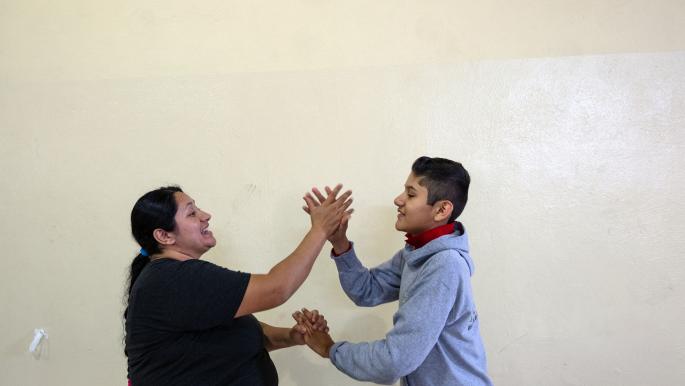
Thousands of families in Tunisia are grappling with major challenges in caring for adults with autism, as they lack access to specialized centers that can provide the necessary support and care. This acute shortage of specialized facilities, coupled with the absence of comprehensive policies, leaves many of these individuals in a state of neglect and instability.
This issue is one of the pressing social challenges that requires special attention from both the government and civil society. With the increasing number of individuals diagnosed with autism, there is an urgent need to establish specialized centers that offer a variety of services, including psychological care and vocational rehabilitation.
Event Details
Reports indicate that the number of individuals with autism in Tunisia is continuously rising; however, there are not enough centers to meet their needs. Families are experiencing psychological and economic pressures due to the lack of appropriate support, leading to a deterioration of the health and psychological conditions of these individuals.
Tunisia lacks clear policies that support this group after childhood, as the assistance provided to children with autism ceases when they reach adulthood, leaving them to face life's challenges alone.
Background & Context
The interest in autism in Tunisia dates back to recent years, with some non-governmental organizations beginning to raise awareness and provide support to families. However, the efforts made are still insufficient to address the significant challenges faced by this group.
Tunisia is among the countries that need to develop comprehensive strategies for the care of individuals with autism, as most other Arab countries face similar challenges, necessitating regional cooperation to exchange experiences and best practices.
Impact & Consequences
The lack of specialized centers affects the quality of life for individuals with autism, as they encounter difficulties in social and professional integration. Families suffering from the absence of support face significant psychological pressures, negatively impacting their mental health.
This issue requires urgent action from the Tunisian government to develop policies that support this group, as improving their living conditions can contribute to enhancing social and economic stability in the country.
Regional Significance
The issue of caring for individuals with autism is a common concern in many Arab countries, where families face similar challenges. Improving care and support for this group can serve as a model for the region, contributing to increased awareness and social solidarity.
In conclusion, the current situation in Tunisia necessitates urgent action from all stakeholders, including the government and civil society, to provide the necessary support and care for individuals with autism, thereby improving their quality of life and integrating them into society.