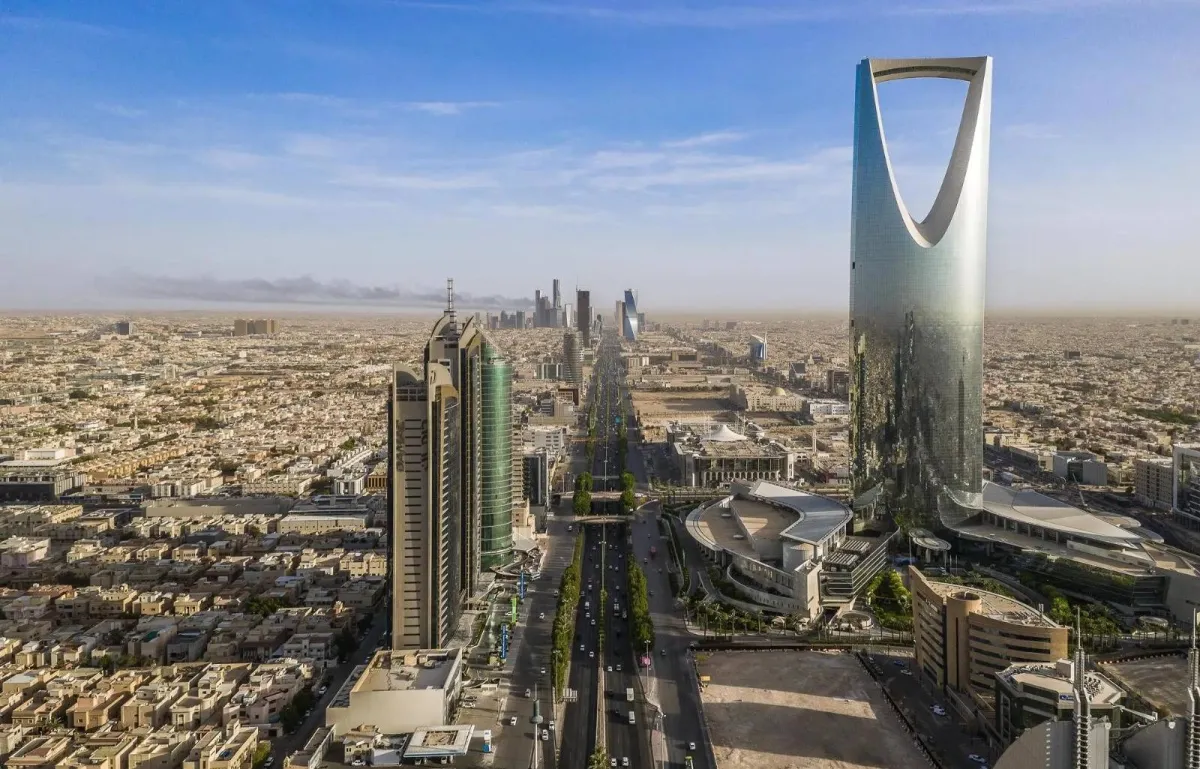
King Salman bin Abdulaziz affirmed that the Kingdom of Saudi Arabia is confidently moving towards a bright future, driven by the achievements of Vision 2030. This vision aims to enhance the Kingdom's position as a global model in harnessing energies and resources, contributing to comprehensive development that citizens can directly feel.
Crown Prince Mohammed bin Salman, during the presentation of the annual report for Vision 2030 for the year 2025, stressed that the Kingdom has provided an exceptional model in transforming visions into tangible reality. He confirmed that the achievements made over the past years place the Kingdom under a significant responsibility to double efforts and enhance gains, focusing on the elevation of the nation and its people.
Event Details
The annual report revealed exceptional efficiency in implementing national transformation programs, with the Kingdom successfully achieving 93% of the performance indicators of the vision. Many indicators recorded actual exceedance of targets ahead of their deadlines. This institutional discipline, which relies on activating 1,290 initiatives, paves the way for the third phase of Vision 2030 (2026-2030) from a position of strength, after the Saudi economy managed to break the one trillion dollar barrier for the first time in its history, with an annual growth rate of 4.5% during the past year.
In a related context, the Saudi Ministry of Interior reiterated its commitment to imposing financial penalties of up to 100,000 riyals (approximately $26,600) on anyone attempting to perform Hajj without a permit. The ministry urged everyone to adhere to the regulations governing the Hajj season to ensure the safety of the guests of Allah.
Background & Context
Vision 2030 aims to achieve economic diversification and reduce dependence on oil by developing new sectors such as tourism, entertainment, and technology. The achievements realized in recent years serve as evidence of the Kingdom's capability to meet its ambitious goals, reflecting the government's commitment to enhancing sustainable development.
The economic and social transformations taking place in the Kingdom are part of a comprehensive vision aimed at improving the quality of life for both citizens and residents, thereby enhancing the country's stability and making it an attractive destination for investment.
Impact & Consequences
The impacts of Vision 2030 extend beyond the Kingdom's borders, contributing to regional stability by improving relations with other countries. The economic growth witnessed in Saudi Arabia could have a positive effect on regional markets, enhancing opportunities for economic cooperation among Arab nations.
The commitment to achieving the goals of Vision 2030 reflects the Kingdom's desire to be a leader in multiple fields, contributing to enhancing its position on the international stage and making it a model to be emulated in the region.
Regional Significance
Vision 2030 represents a turning point not only for Saudi Arabia but for the entire Arab region. The Kingdom's success in achieving its goals can encourage other countries to adopt similar visions aimed at sustainable development. Additionally, the economic and social stability in Saudi Arabia may contribute to enhancing security and stability in the region.
In conclusion, Vision 2030 represents a bold step towards the future, as the Kingdom seeks to achieve comprehensive development that benefits all citizens, making it a model to be followed in the Arab world.