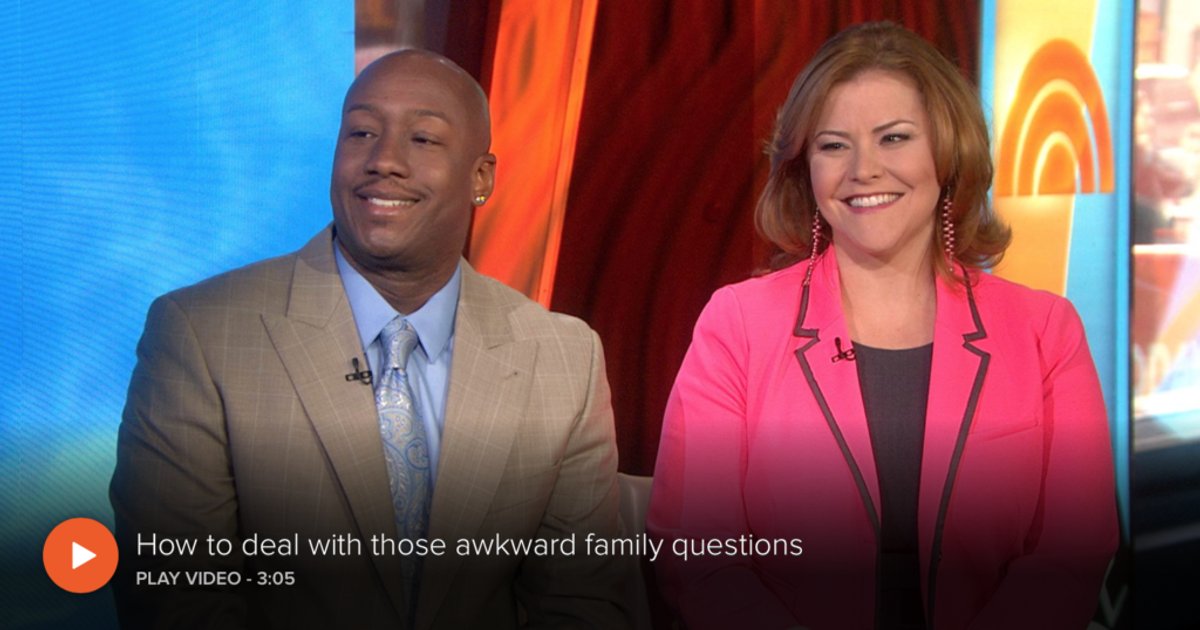
At every family gathering, like a ticking clock, the usual questions from older relatives resurface: "When will you get married?", "When is the next baby coming?", "Have you gained some weight?" These questions have become an integral part of social occasions, such as Eid al-Fitr, where curiosity intertwines with tradition.
This year, a relative approached and asked, "Is there good news or not?" before glancing at my belly, as if weight gain meant something more. I didn’t know how to handle this situation, but I had grown accustomed to such questions.
Repetitive Nature of Awkward Questions
At every occasion, these questions recur, raising questions about their intentions. Are they merely small talk, or do they cross boundaries? Should I be more assertive in setting my limits, or is it easier to ignore them?
The idea of "boundaries" is a modern concept, as younger generations become more aware of the importance of establishing and maintaining boundaries. However, this awareness can lead us to assume the worst intentions, even when clumsy attempts at communication from people we don’t see often are interpreted as deliberate intrusions.
Background & Context
Younger generations are influenced by new ideas about privacy and independence, while older generations have been shaped by long-standing traditions, where questions about marriage and children are considered a natural part of family gatherings. Therefore, every year, whether during Eid al-Fitr or the Chinese New Year, the same familiar questions arise without fail.
This contrast raises an intriguing question: How do we respond in a way that respects boundaries while maintaining communication?
Impact & Consequences
If a person's intention is to compare, pressure, or criticize, it is often best to gently close the topic. You owe no one access to your personal life simply because the occasion is celebratory. However, instead of being defensive, try using a gentler approach to redirect the conversation. Can you find some humor in the discussion to respond to their awkward attempts at communication rather than cutting them off?
A redirection method can work wonders. It keeps the atmosphere light, protects your privacy, and allows you to remain in control without tension. Alternatively, if you prefer not to delve into details, my husband’s approach is to give non-committal answers: "Life is good, the kids are fine, and I’m okay." This satisfies curiosity without revealing too much.
Regional Significance
In Arab communities, these dynamics are similar, where questions about marriage and children are part of the culture. However, today’s Arab youth face new challenges related to privacy and personal freedom, making these questions more sensitive. Therefore, it is essential to understand how these dynamics can affect family relationships.
Ultimately, we must remember that special occasions like Eid al-Fitr are about communication and visiting one another. They revolve around the effort made to interact with others, even if the conversations are clumsy and the questions are familiar. You don’t have to answer every question, but it’s nice to acknowledge the good intentions behind them.