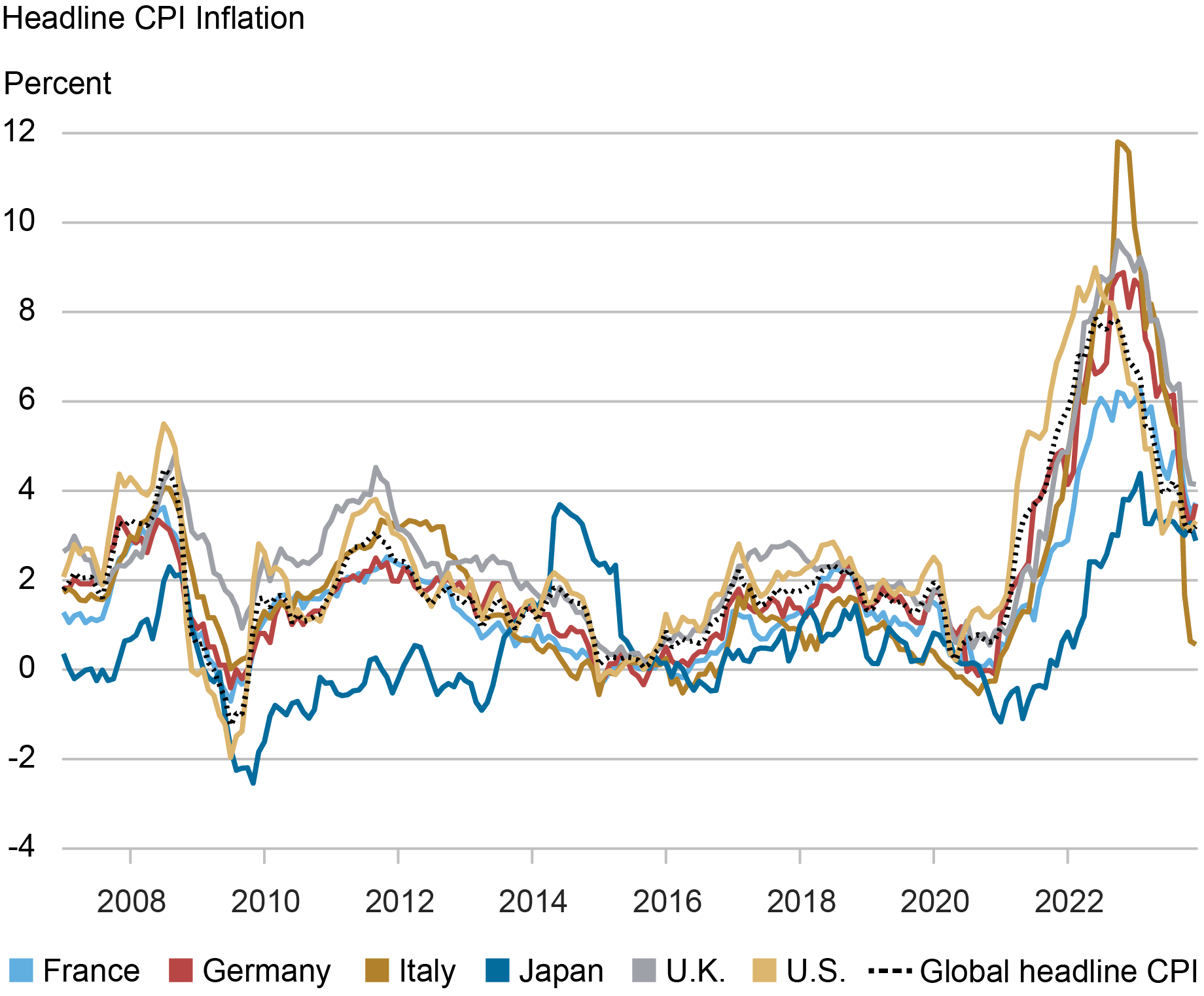
Global economic forecasts indicate the presence of inflationary signs that threaten financial and economic stability in many countries. As inflationary pressures increase, the question arises on how to address this phenomenon locally.
There are multiple reasons leading to rising inflation rates, including the increase in prices of essential goods, disruptions in supply chains, and the monetary policies adopted by countries. In this context, governments must take proactive steps to avoid the repercussions of inflation on local price levels.
Details of the Event
Concerns are growing over the spread of inflation worldwide, with reports indicating that many countries may face difficulties in controlling prices. Recent data has shown a significant rise in food and energy prices, which increases pressure on families and consumers.
In this framework, governments are striving to develop effective strategies to confront these challenges. Among the available tools, monetary policy can play a crucial role in controlling inflation rates, either by raising interest rates or reducing the money supply.
Background & Context
Historically, many countries have experienced high inflation scenarios, leading to significant economic and social repercussions. For instance, in the 1970s, some countries suffered from hyperinflation that resulted in economic recession. These experiences highlight the importance of taking timely preventive measures.
Addressing inflation requires a delicate balance between monetary and fiscal policies. While increasing interest rates can reduce demand, it may negatively impact economic growth. Therefore, policymakers need to carefully consider the available options.
Impact & Consequences
If inflation levels are not controlled, it could lead to a decline in consumers' purchasing power, negatively affecting the local economy. Additionally, rising prices may increase social tensions, as citizens feel the pressure from the rising cost of living.
Moreover, inflation can impact investments, as investors may hesitate to inject their funds into an unstable environment. Thus, controlling inflation is an urgent necessity to maintain sustainable economic growth.
Regional Significance
Arab countries face unique challenges amid global economic conditions. The rise in essential goods prices directly affects economies that rely on imports. Therefore, Arab governments must take effective steps to address these challenges.
Furthermore, inflation may exacerbate economic crises in some countries, necessitating coordinated efforts among Arab nations to tackle this phenomenon. Regional cooperation can contribute to enhancing economic stability and achieving sustainable development.
In conclusion, inflation remains a significant challenge that requires a swift and effective response from governments. By implementing appropriate measures, price stability can be achieved, and economic growth can be maintained.