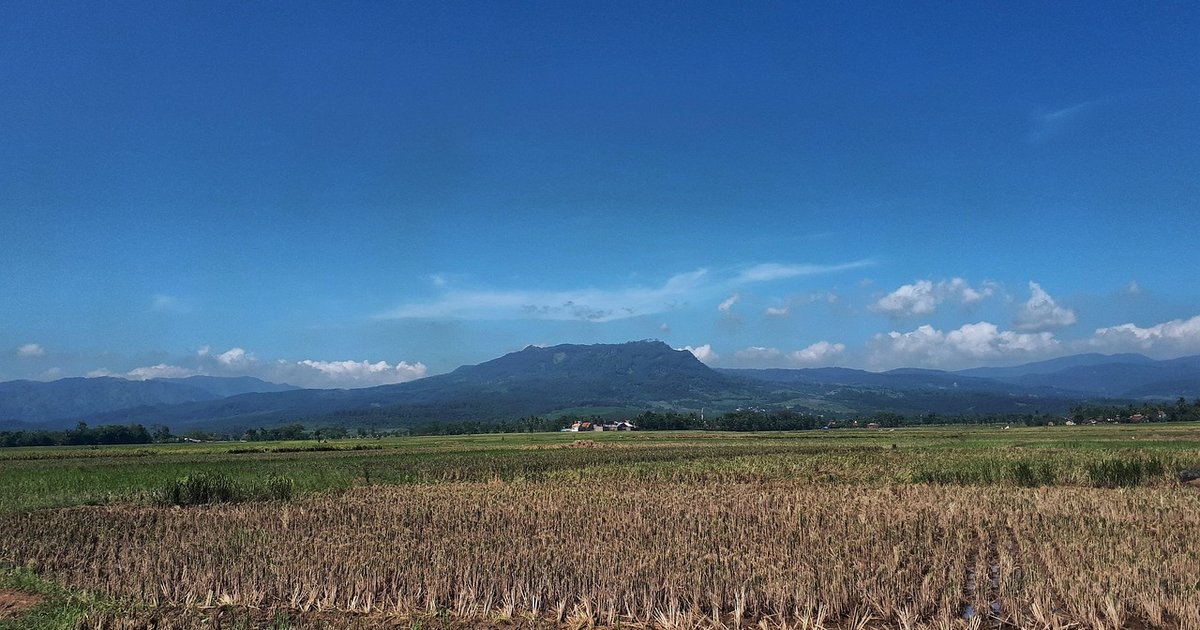
There are growing hopes in Indonesia for a bountiful rice harvest in the 2026 season; however, concerns about the system's ability to handle these quantities remain. The Indonesian government is working to enhance storage capacities, targeting an addition of 2 million tons of storage capacity and the construction of 100 new warehouses.
The government anticipates that national rice production will reach 34.77 million tons, reflecting significant optimism. However, this also necessitates improvements in post-harvest storage infrastructure to ensure that the issues faced in previous years do not recur.
Details of the Situation
In 2025, Indonesia experienced a notable increase in rice production, but this surge was met with a severe shortage of storage capacity, leading to an inability to fully accommodate the harvests. This situation highlights the weaknesses in the food system regarding the management of production surpluses.
As the 2026 harvest season approaches, the government is focusing on strategic steps to improve the situation, including increasing storage capacity and distributing warehouses in close proximity to major production areas. This will help reduce logistical costs and enhance the efficiency of crop absorption.
Background & Context
Indonesia relies on agriculture as a pillar of its economy; however, challenges related to grain storage have adversely affected farmers, who are forced to sell their crops at prices lower than the government-set rates, undermining their competitiveness.
The lack of adequate storage facilities not only impacts farmers' income but also raises concerns about food security in the country. The government’s efforts to bolster storage capabilities are crucial for sustaining agricultural productivity and ensuring fair market prices for farmers.
Impact & Consequences
These challenges directly affect farmers, who find themselves compelled to sell their crops at lower prices, diminishing their purchasing power and impacting their living standards. Furthermore, inadequate absorption of crops leads to an increased gap between supply and demand, contributing to rising prices in the markets.
The economic implications of these storage challenges extend beyond individual farmers, affecting the overall agricultural sector and food prices across the country. Ensuring effective storage solutions is vital for stabilizing the market and protecting farmers' livelihoods.
Regional Significance
Addressing these storage issues is not only critical for Indonesia but also has broader implications for food security in the region. As one of the largest rice producers in Southeast Asia, Indonesia's agricultural policies and practices can influence regional food markets and trade dynamics.
In conclusion, the Indonesian government's proactive measures to enhance storage capacity and infrastructure are essential for achieving a successful harvest in 2026 and ensuring the sustainability of the agricultural sector in the long term.