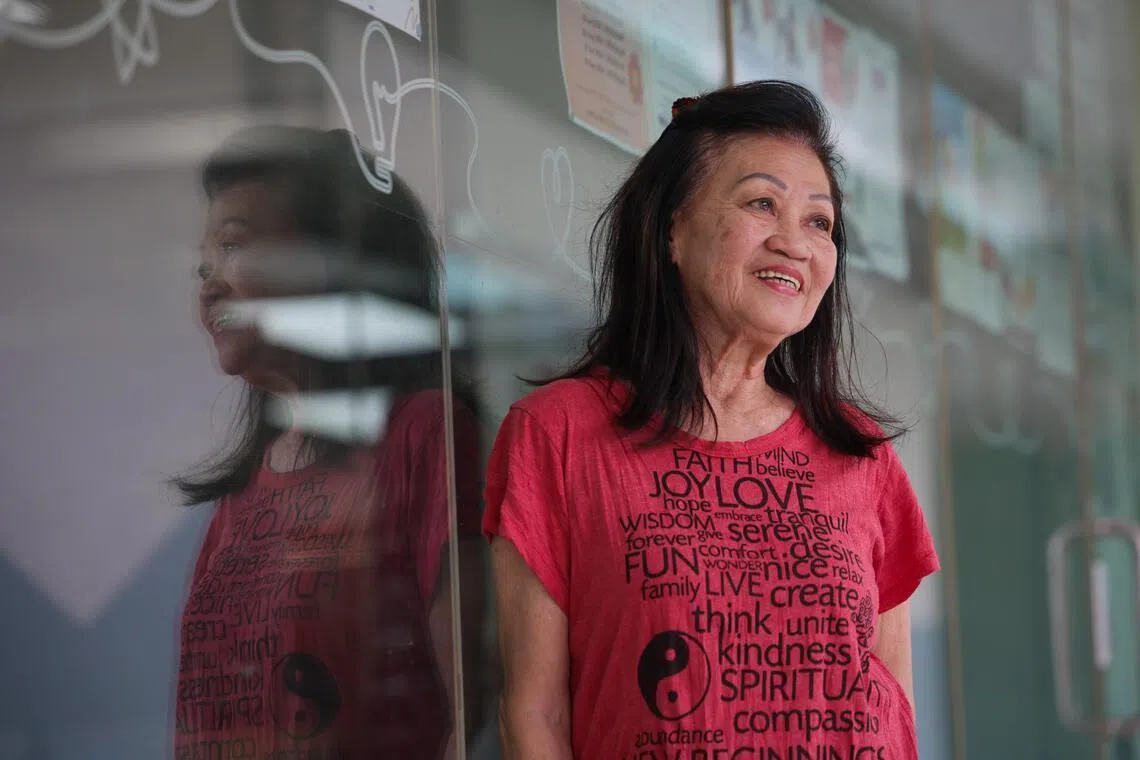
Reports indicate that a notable number of elderly caregivers in Singapore are seniors themselves, raising questions about the burdens these individuals face in advanced stages of life. This phenomenon reflects a painful reality experienced by many, where the roles of self-care and caregiving for others intertwine.
The incidence of strokes among the elderly is increasing, leading to drastic changes in family dynamics. In one case, a wife faced significant challenges after her husband suffered a stroke, resulting in a complete overhaul of their retirement plans. Instead of enjoying their retirement years, she found herself responsible for her husband's care, which significantly impacted her life.
Event Details
Many families in Singapore discuss the challenges they face in caring for the elderly. According to statistics, over 30% of caregivers are seniors, meaning these individuals in advanced stages of life are taking on additional responsibilities. This phenomenon is not limited to Singapore; it reflects a global issue that requires greater attention from governments and communities.
Caring for the elderly requires substantial resources, both in terms of time and money. In the case of the wife who shared her story, she had to adapt to the new situation, which affected her mental and physical health. These challenges necessitate greater community support, including healthcare services and psychological assistance.
Background & Context
Historically, elderly care has been viewed as a family responsibility, but with changing demographics and increasing life expectancy, these responsibilities have become more complex. In many countries, including Singapore, the number of elderly people is rising, placing additional pressures on families. These changes require new strategies to address the needs of the elderly and their caregivers.
Studies show that caregivers often suffer from psychological and physical stress due to their significant responsibilities. This stress impacts their overall health, making it essential to provide the necessary support.
Impact & Consequences
The ramifications of this phenomenon extend beyond personal dimensions, affecting society as a whole. With the increasing number of elderly individuals, a comprehensive response from governments is needed to provide necessary care services. This response should include improving access to healthcare, providing psychological support for caregivers, and developing training programs to help them cope with daily challenges.
Moreover, there should be awareness campaigns to highlight the importance of supporting caregivers, as this group is often overlooked in discussions about elderly care.
Regional Significance
Arab countries also face similar challenges in elderly care. With the growing elderly population in the region, it becomes crucial to develop effective strategies to address their needs. Arab nations can benefit from Singapore's experiences in this area by enhancing the community's role in supporting families and caregivers.
Raising awareness about the importance of elderly care and providing support for caregivers can contribute to improving the quality of life for the elderly and their families in the Arab world.
In conclusion, the challenges faced by elderly caregivers require a comprehensive response from society and governments. We must all work to enhance support for caregivers and improve their conditions to ensure a dignified life for the elderly.