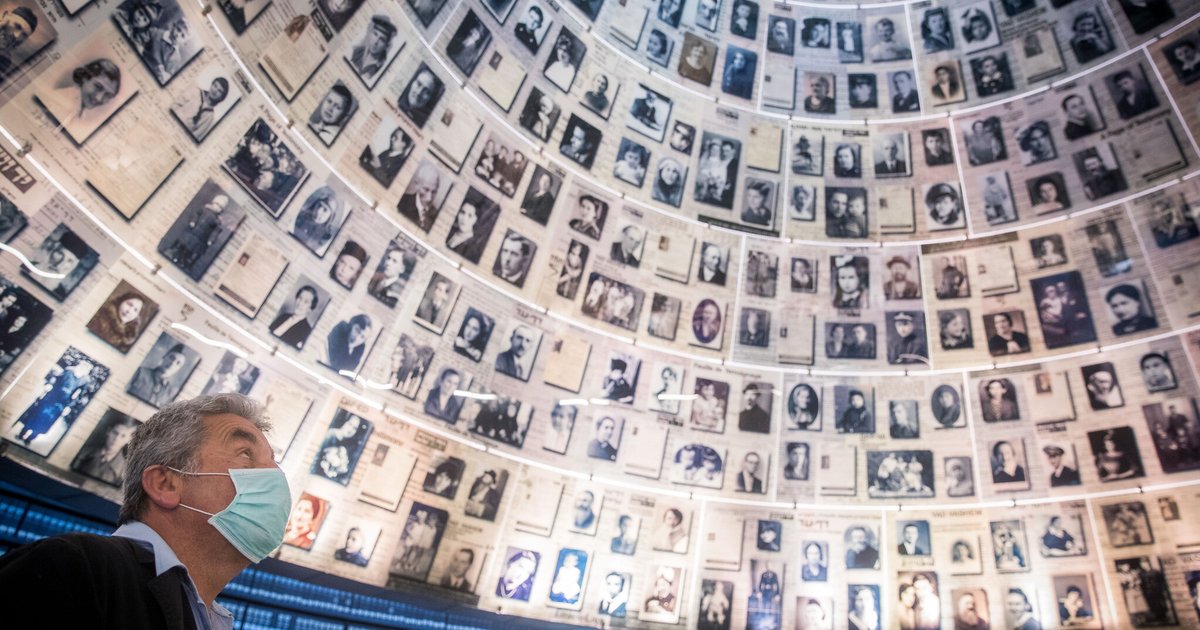
Israel faces substantial challenges in commemorating national memories, with increasing calls for the establishment of memorials that authentically reflect history. This comes at a time when Israeli society is suffering from deep divisions regarding how to commemorate national memories, raising questions about national identity.
There are numerous occasions for commemorating memories, ranging from Holocaust Remembrance Day to war anniversaries. However, the chaos surrounding these events indicates an urgent need to rethink how victims and the country’s history are honored. Many believe that the current memorials do not adequately reflect the experiences of all groups within Israeli society.
Event Details and Coordination Issues
In recent years, many events have been organized to commemorate memories, but they often lack coordination and proper planning. For instance, some memorials have been criticized for not fairly representing various groups, including Arab and Jewish communities. This has led to feelings of exclusion and a lack of recognition for certain experiences, deepening social divides.
Some public figures are calling for new memorials that reflect Israel's cultural and historical diversity. They emphasize the importance of acknowledging the experiences of all groups, including those who have suffered from discrimination or violence. These calls come at a sensitive time, as Israeli society seeks to promote unity amid increasing political and social tensions.
Background & Context
The history of Israel is filled with complex events that require careful handling. Since the establishment of the state in 1948, the country has witnessed numerous wars and conflicts that have left deep scars on society. The Holocaust, for example, represents a significant part of the collective memory, but there are also other experiences, such as the Nakba, that must be taken into account.
The history of memorials in Israel reflects this complexity. Many existing memorials represent a single perspective, leading to the neglect of others' experiences. Therefore, calls for the creation of new memorials that reflect diversity are seen as a positive step towards fostering unity and understanding among different groups in society.
Impact & Consequences
Reassessing how national memories are commemorated could have a significant impact on Israeli society. If memorials are created that reflect the experiences of all groups, it could enhance feelings of belonging and unity. It is crucial for everyone to feel that their experiences are recognized and valued.
Moreover, this step could contribute to fostering dialogue among different communities. By acknowledging diverse experiences, new channels for communication and understanding could be opened, helping to reduce current tensions.
Regional Significance
The issue of commemorating national memories in Israel is of great importance to the Arab region. The complex history of the Israeli-Palestinian conflict affects relations between Arabs and Israelis. If Israel can positively address the chaos surrounding memory commemoration, it may open the door to new opportunities for dialogue and understanding between the two sides.
Ultimately, addressing the chaos associated with commemorating national memories is not just an internal matter for Israel; it is an issue that affects regional relations. Recognizing diverse experiences can contribute to building a more stable and peaceful future in the region.