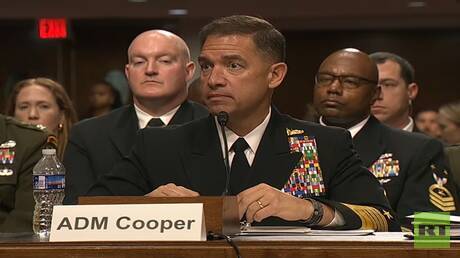
Admiral Brad Cooper, Commander of U.S. Central Command, appeared before the Senate Armed Services Committee on Thursday, providing his testimony on the military situation concerning Iran. This testimony comes at a sensitive time as the fragile ceasefire between the United States and Iran continues, raising concerns about stability in the region.
During the session, Admiral Cooper highlighted the challenges the United States faces in dealing with Iranian military activities, emphasizing the importance of enhancing cooperation with allies in the region. He also addressed potential threats that may arise from escalating tensions, stressing the necessity of being prepared for any unexpected developments.
Details of the Hearing
The session held in the Senate was part of a series of discussions on U.S. defense policy in the Middle East. Admiral Cooper, who took command of Central Command in 2021, pointed out that Iran remains a threat to regional security, and that Iranian military activities in Iraq, Syria, and Yemen require close monitoring.
Cooper also touched on the military support Iran provides to armed groups in the region, complicating the security situation further. He underscored the importance of bolstering the defensive capabilities of allies in the region, including Gulf Arab states, to counter any potential threats.
Background & Context
Historically, relations between the United States and Iran have been strained, particularly following the U.S. withdrawal from the nuclear agreement in 2018. Since then, the region has witnessed an escalation in military activities from both sides. Iran, seeking to enhance its influence in the region, faces pressure from the United States and its allies, complicating the security landscape.
The fragile ceasefire between the U.S. and Iran comes at a critical juncture, with rising concerns about escalating conflicts in the region. Many observers believe that any escalation could have serious repercussions for regional and international security.
Impact & Consequences
The statements made by Admiral Cooper could influence U.S. policy towards Iran, potentially prompting the U.S. administration to take more cautious steps in dealing with Iranian activities. This session may also affect the stance of allies in the region as they seek to define their strategies based on the information presented.
Any escalation in tensions could lead to negative impacts on the global economy, particularly in energy sectors. Iran is considered one of the largest oil producers, and any disruptions in the region could affect oil prices and global energy markets.
Regional Significance
For Arab countries, the military situation with Iran poses a significant challenge. Many Gulf Arab states depend on regional security, and any escalation could destabilize the area. Cooperation between Arab nations and the United States may become increasingly important under these circumstances.
Arab countries are striving to enhance their defensive capabilities, which may lead to increased military spending and the development of new strategies to address threats. This situation could foster regional cooperation, but it may also lead to an arms race in the area.
In conclusion, the military situation with Iran presents a complex challenge that requires international and regional coordination. Testimonies from military leaders like Admiral Cooper play a crucial role in shaping defense policies and determining strategies to address potential threats.