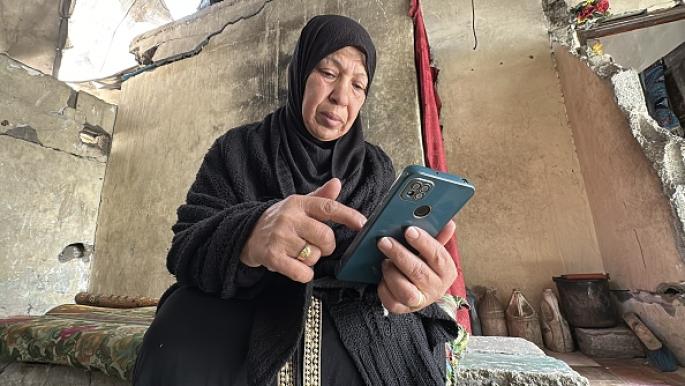
In Gaza, electronic payment has become an urgent necessity due to the ongoing cash liquidity crisis, making daily transactions increasingly difficult for residents. The challenging economic conditions have forced a significant shift in payment methods.
The economic pressures on the residents of the Gaza Strip are mounting, leading to a decline in their ability to access cash. With the continued Israeli blockade, citizens are facing difficulties in obtaining cash, which compels them to rely on electronic payment methods as a primary alternative.
Details of the Situation
The number of shops and commercial centers accepting electronic payments is increasing, making this service more widely available. However, challenges remain regarding the provision of internet services and the necessary infrastructure to support these systems. Additionally, some residents face difficulties in using modern technology, which limits the effectiveness of these solutions.
Available electronic payment methods in Gaza include smartphone applications and digital wallets, allowing users to conduct transactions easily. Nevertheless, there is still a need for more awareness and training for users to ensure they fully benefit from these services.
Background & Context
Historically, the Gaza Strip has suffered from recurring economic crises due to the Israeli blockade and ongoing conflicts. These crises have led to a deterioration of the economic situation, negatively impacting residents' ability to access cash. In recent years, many residents have begun using electronic payment as a means to overcome these challenges.
This phenomenon is part of a broader shift towards a digital economy in the region, where many countries are seeking to enhance technological innovation and facilitate financial transactions. However, the situation in Gaza remains unique due to the complex political and economic conditions.
Impact & Consequences
The increasing reliance on electronic payment in Gaza affects the local economy in multiple ways. On one hand, it can contribute to improving transaction efficiency and reducing the need for cash, facilitating the flow of money. On the other hand, it may exacerbate the digital divide between residents who have the ability to use technology and those who do not.
This shift may also impact business activities, potentially leading to increased competition between stores that rely on electronic payments and those that still depend on cash. Ultimately, this could enhance the services provided to residents.
Regional Significance
The experience of Gaza in adopting electronic payment serves as an example of how economic crises can influence the behaviors of individuals and communities. This experience could provide lessons for other countries in the region facing similar challenges, as technology can contribute to improving economic conditions.
At the same time, there must be efforts from governments and non-governmental organizations to enhance digital infrastructure and provide necessary training for residents to ensure they fully benefit from these services. Promoting electronic payment could be a step towards achieving economic stability in the region.
In conclusion, the cash liquidity crisis in Gaza has driven residents to adopt electronic payment as a necessary means to facilitate daily transactions. As this phenomenon continues, hope remains for improving digital infrastructure and providing the necessary support to residents.