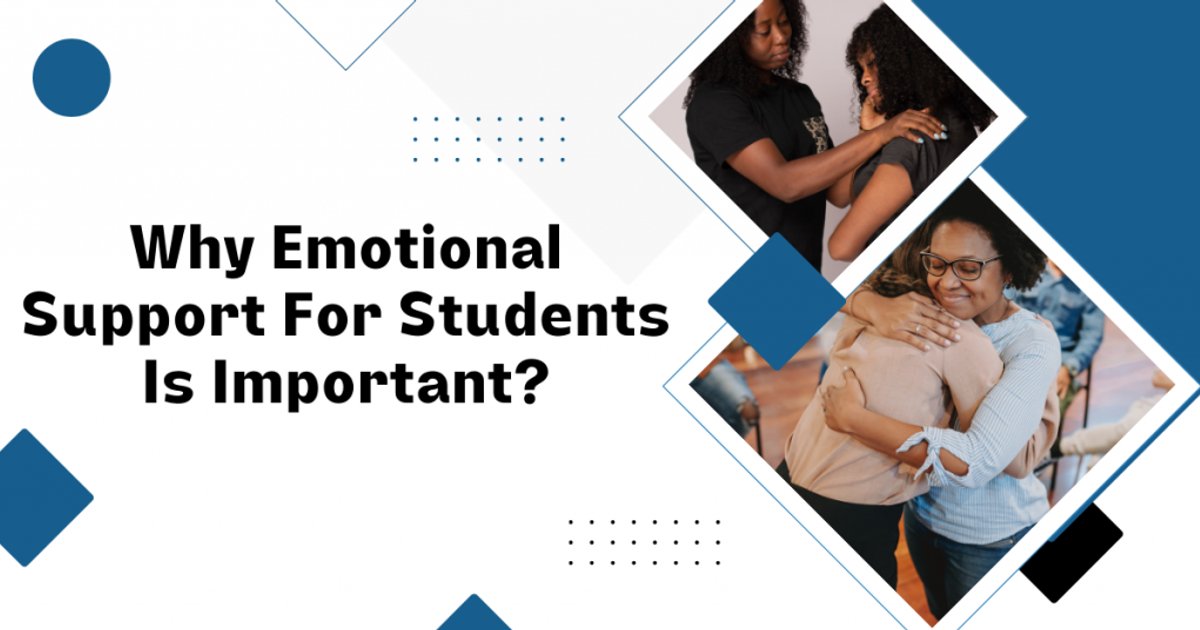
In a step aimed at supporting students who did not succeed in Indonesia's national university entrance exams, psychology professor at Atma Jaya University, Wika Dhi Partasari, offered valuable advice on dealing with feelings of disappointment and frustration. He confirmed that feelings of sadness and anger after failing are natural reactions and should be acknowledged rather than ignored.
Wika explained that students who have put in significant effort to succeed in these exams must recognize that their emotions are part of the human experience. He pointed out that the ability to manage these feelings is vital in helping them move forward towards achieving their future goals.
Details of the Event
Wika discussed the importance of accepting feelings of disappointment as the first step towards recovery, noting that crying or feeling sad is a normal reaction. He highlighted that expressing emotions can help alleviate psychological pressure, rather than suppressing them.
He also advised students to talk to trusted individuals to share their feelings, as being open with others can lessen the burden of negative emotions. He stressed that using social media to express these feelings might not be beneficial and could lead to unexpected reactions.
Background & Context
The university entrance exams in Indonesia, such as the SNBP tests, are considered one of the most significant milestones in students' lives, determining their academic futures. With increasing competition, students face immense pressure to achieve good results. However, failing these exams does not signify the end of the road; it can be the beginning of new opportunities.
In recent years, Indonesia has seen a rise in the number of students applying to universities, leading to heightened levels of stress and anxiety among them. Therefore, providing psychological support and guidance is essential to help them overcome these challenges.
Impact & Consequences
Feelings of disappointment resulting from failing exams can have negative effects on students' mental health, such as depression and anxiety. Thus, learning how to cope with these emotions properly is crucial for maintaining mental well-being.
Moreover, these experiences can affect future academic performance, as students may feel insecure about their abilities. Therefore, psychological support and guidance can help them rebuild their self-confidence and focus on their future goals.
Regional Significance
Many Arab countries face similar challenges regarding university admissions, with an increasing number of students applying to universities in a highly competitive environment. Thus, sharing experiences and advice among countries can contribute to improving methods of psychological support for students.
It is important for educational institutions in Arab countries to adopt strategies to support students in facing disappointments, enhancing their ability to cope with academic challenges.
In conclusion, students should remember that failing one test does not mean the end of the road; it can be an opportunity for learning and growth. By dealing with their emotions healthily, they can redirect their energies towards achieving their future goals.