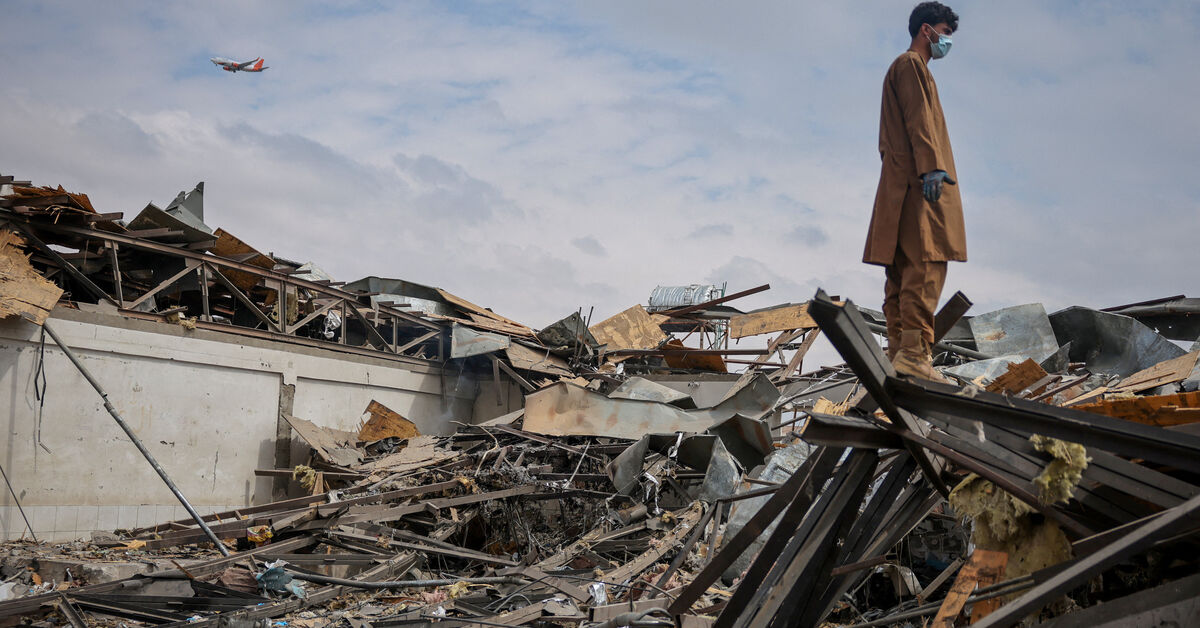
In a move reflecting regional peace efforts, the Chinese Foreign Ministry announced that Afghanistan and Pakistan agreed during peace talks held in the Chinese city of Urumqi to explore comprehensive solutions to the conflict that erupted between the two countries last October.
During a press conference on Wednesday, Chinese Foreign Ministry spokesperson Mao Ning reported that both sides agreed on the necessity of refraining from any actions that could escalate or complicate the current situation. She noted that China will continue to engage with both countries and provide a platform for dialogue.
Details of the Event
These talks come at a sensitive time, as relations between Afghanistan and Pakistan have seen increasing tensions since last year, impacting stability in the region. These discussions may represent an opportunity for both sides to rebuild trust and work towards lasting solutions to the conflict.
The talks included discussions on security and economic issues, as both parties seek to enhance cooperation in various fields. The importance of dialogue as a means of resolving disputes rather than resorting to force was also emphasized.
Background & Context
Historically, relations between Afghanistan and Pakistan have been complex, characterized by periods of both cooperation and tension. The recent conflict stems from a rise in cross-border attacks, exacerbating security conditions in both countries. In this context, China plays a significant role as a mediator, aiming to promote regional stability through supporting dialogue.
Since the Taliban took power in Afghanistan, relations with Pakistan have become more complicated, with Kabul accusing Islamabad of supporting armed groups. However, it seems both sides recognize the importance of dialogue in overcoming these challenges.
Impact & Consequences
These talks hold significant importance, not only for Afghanistan and Pakistan but also for the entire region. If the parties succeed in reaching a comprehensive agreement, it could lead to improved security and economic conditions in both countries.
Furthermore, this step may enhance China's role as a key mediator in regional conflicts, thereby increasing its influence in Central Asia. These talks could also open the door for further regional cooperation, including infrastructure projects and trade.
Regional Significance
The relations between Afghanistan and Pakistan are part of a broader network of regional tensions that affect Arab security. Stability in South Asia could positively reflect on regional security, especially given the challenges faced by some Arab countries.
Moreover, enhancing cooperation among Islamic countries in facing common challenges could serve as a model for the Arab region, where some nations are suffering from internal and external conflicts.