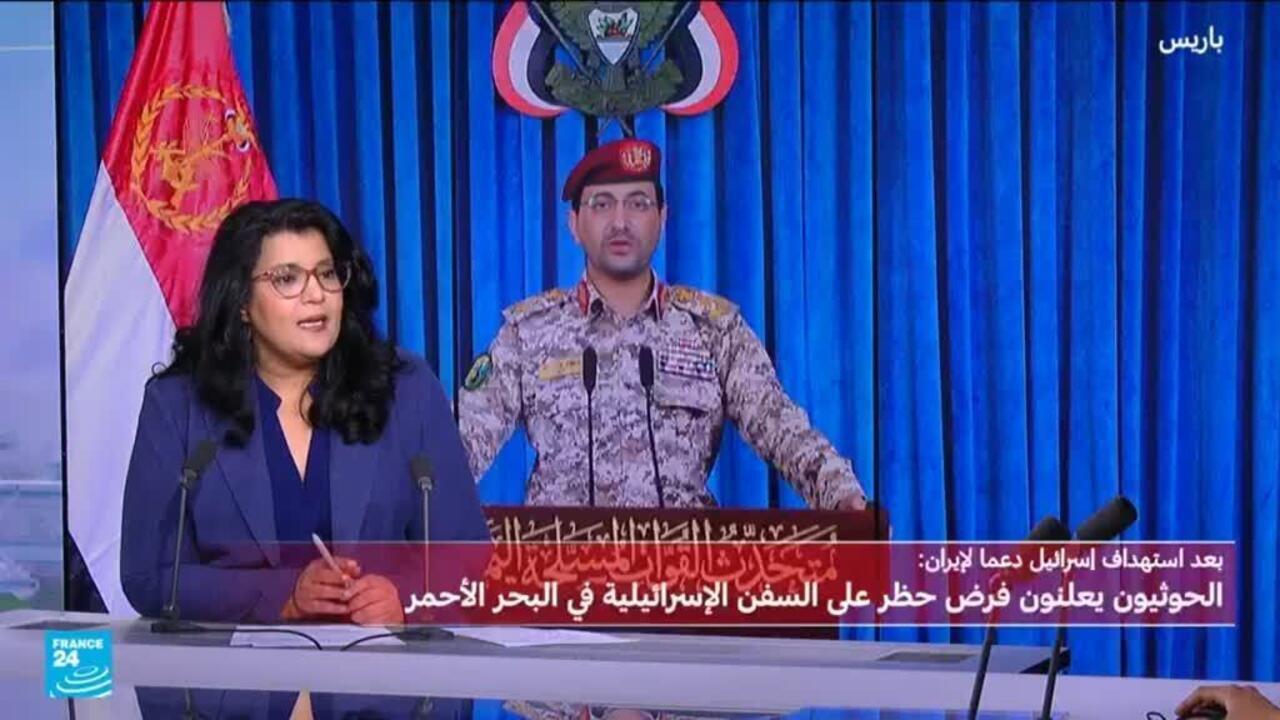
In an unprecedented escalation, the Houthis have launched a missile towards Israeli territory, marking their entry into the fray of the escalating regional conflict. Additionally, the Houthis announced a ban on the passage of Israeli ships in the Red Sea, a strategic move aimed at bolstering their position in the region.
This escalation occurs at a time when relations between Iran and Israel are increasingly strained, with both sides exchanging strikes recently. The Houthis, considered allies of Iran, seek to send strong messages to the United States and Israel, indicating that they are part of the regional equation and capable of influencing events.
Details of the Incident
Reports indicate that the Houthis launched a missile from Yemeni territory, targeting areas in Israel. This attack follows a series of reciprocal strikes between Iran and Israel, as each side seeks to enhance its influence in the region. The Houthis, who control large areas of Yemen, are now presenting themselves as a military force capable of conducting operations beyond their borders.
Moreover, the Houthis announced a ban on Israeli ships in the Red Sea, threatening navigation in one of the world's most important maritime corridors. This move reflects their desire to use military force as a means of pressuring Israel and to strengthen their position as a regional power.
Background & Context
Historically, Iran has supported the Houthis in their struggle against the Saudi-backed Yemeni government. This strategic relationship between Iran and the Houthis dates back several years, as Tehran seeks to expand its influence in the region by supporting its allies. In recent years, tensions between Iran and Israel have escalated, with both countries exchanging accusations and conducting military operations against each other.
The Houthi movements come at a sensitive time, as Iran seeks to bolster its position in the face of international pressures, particularly from the United States. The Houthis, considered part of the resistance axis, aim to strengthen their position through military operations against Israel, reflecting coordination among the involved parties.
Impact & Consequences
This escalation could lead to heightened tensions in the region, as Israel may respond militarily to these attacks. If these operations continue, we could witness a greater escalation in the conflict, impacting regional stability. Additionally, these movements may increase tensions between Iran and the United States, especially with American forces present in the region.
The potential consequences of this escalation include an increase in attacks on commercial vessels in the Red Sea, which could affect global trade flows. Furthermore, the escalation may lead to military interventions by other countries in the region, complicating the situation further.
Regional Significance
For the Arab world, this escalation reflects the security challenges faced by countries in the region. The Houthis, through these operations, demonstrate their ability to influence events, raising concerns among neighboring countries. Additionally, the escalation may lead to increased tensions between Arab states and Iran, highlighting existing divisions in the region.
In conclusion, the situation in the region remains complex, with overlapping regional and international interests. The Houthi escalation against Israel signifies a shift in the regional conflict and indicates that the Houthis are seeking to enhance their role as an influential power in the area.