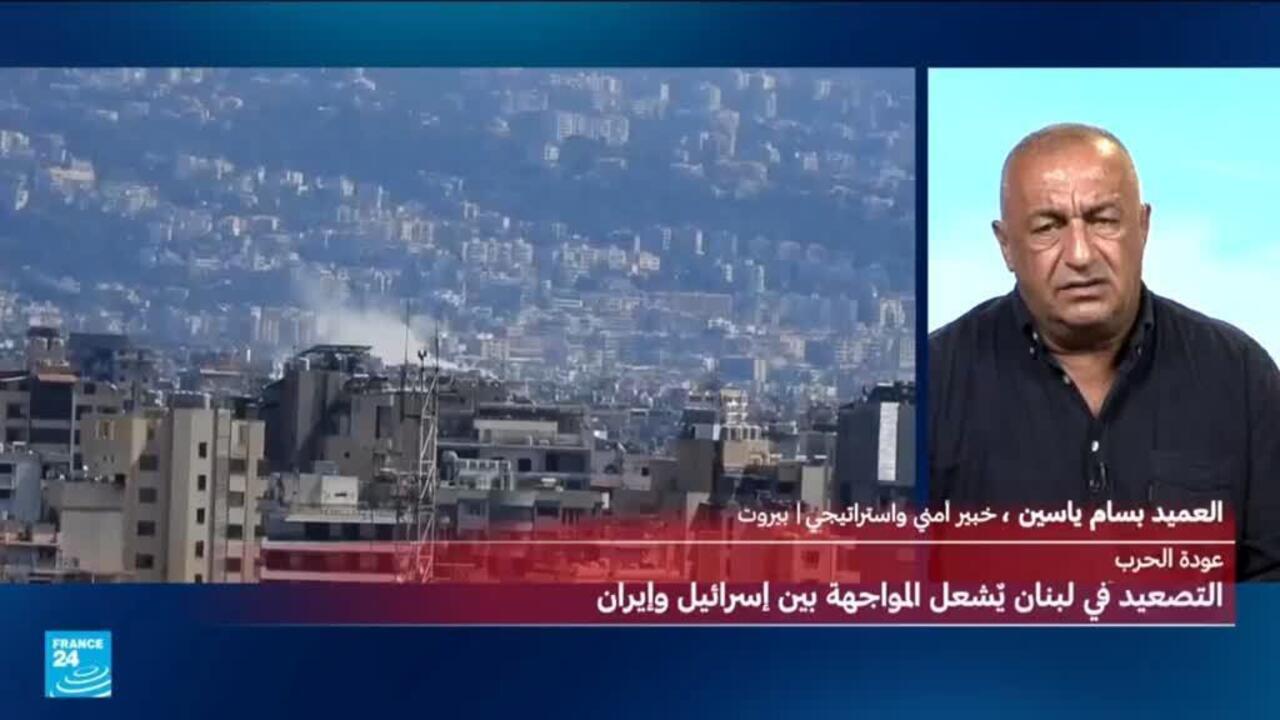
Tensions are intensifying in the Middle East as the Israeli army announced its interception of a barrage of Iranian missiles, reflecting an unprecedented escalation in the ongoing conflict. This comes after Israel carried out airstrikes on military targets in western and central Iran, in response to the latter's launch of missiles into Israeli territory for the first time since the ceasefire declaration in April, which followed the bombing of southern Beirut.
In a parallel development, the Iranian-backed Houthis in Yemen announced their execution of a missile attack targeting Israeli territory, indicating an increase in coordination between Tehran and its allies in the region. The Houthis also declared a ban on Israeli shipping in the Red Sea, further complicating the security situation in the area.
Details of the Incident
According to statements from the Israeli army, the interception of Iranian missiles is part of Tel Aviv's efforts to protect its territory from potential threats. Reports confirmed that the Israeli airstrikes targeted sensitive military sites in Iran, reflecting a clear Israeli strategy to counter any threats that may arise from Iranian soil.
On the other hand, the Houthis have demonstrated their capability to conduct complex military operations, raising fears of a larger escalation in the region. The Houthi attack on Israel comes at a critical time, as tensions between Iran and Israel are on the rise, placing the entire region on the brink of chaos.
Background & Context
Historically, relations between Iran and Israel have seen continuous escalation, with Iran considering Israel its arch-enemy. Tensions heightened after Israel launched airstrikes on Iranian positions in Syria, prompting Tehran to respond by supporting its allies in the region, including the Houthis in Yemen.
In this context, the Houthis have received military and logistical support from Iran, reflecting Tehran's strategy to expand its influence in the region. This support has enabled the Houthis to carry out complex military operations, complicating the security situation in the Middle East further.
Impact & Consequences
The military escalation between Iran and Israel could lead to serious repercussions for regional security. These events are likely to increase tensions between Arab states and Israel, which may negatively impact peace efforts in the region. Additionally, the Houthi escalation could open a new front in the conflict, further complicating the situation.
Moreover, the escalation could affect shipping traffic in the Red Sea, potentially impacting international trade. The Houthis' ban on Israeli shipping could lead to increased tensions in the region, putting the global economy at risk.
Regional Significance
Arab countries are significantly affected by the military escalation between Iran and Israel. The rising tensions could lead to greater divisions among Arab states, with some countries finding themselves forced to choose between supporting Iran or Israel. This division could impact political and economic stability in the region.
Additionally, the tense situation could lead to increased migration and displacement from conflict-affected areas, putting additional pressure on neighboring countries. Under these circumstances, it becomes essential for Arab nations to work together to address shared challenges.
In conclusion, the military escalation between Iran and Israel, along with the Houthi intervention, poses a real threat to regional security. The current situation requires a coordinated response from Arab nations to maintain stability in the region.