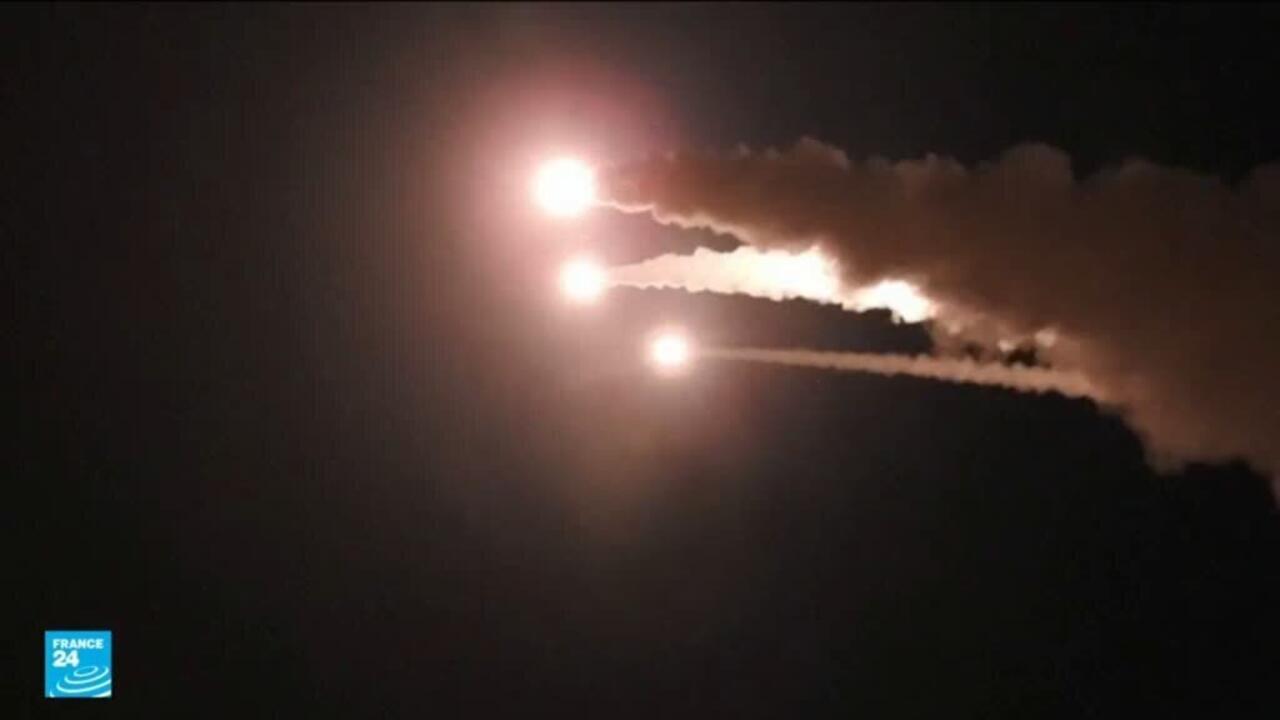
Israel has witnessed a new escalation in regional tensions as Iranian missiles were launched towards its territory, activating air raid sirens across large areas of northern and central Israel. This attack marks the first of its kind since the ceasefire was declared on April 8, reflecting the rising tensions between Iran and Israel.
In a swift response, the Israeli military announced it targeted several "military objectives" within Iran, raising questions about the potential for escalating conflict between the two sides. These developments come at a sensitive time, as both parties seek to achieve their strategic interests in the region.
Details of the Incident
According to reports, the missiles were launched from Iranian territory, prompting the activation of Israel's air defense system. The missiles were spotted in the skies over northern Israel, as residents rushed to shelters upon hearing the sirens. The Israeli army confirmed that it managed to intercept some of the missiles, but the attack has raised significant concern within political and military circles.
This escalation occurs within a complex historical context, as relations between Iran and Israel have seen increasing tensions over the years. These tensions have particularly intensified following the United States' withdrawal from the Iranian nuclear deal, exacerbating the situation in the region.
Background & Context
The roots of the tensions between Iran and Israel date back decades, with Israel viewing Iran as an existential threat due to its nuclear program and support for armed groups in the region. In recent years, mutual attacks between the two sides have increased, leading to a state of ongoing instability in the region.
Following the ceasefire announcement in April, there was hope for a calming of the situation; however, this recent attack reflects the fragility of the security situation in the area. Furthermore, military escalation could impact diplomatic efforts aimed at achieving peace and stability.
Impact & Consequences
This escalation could lead to an increase in military operations between the two sides, threatening the outbreak of a full-scale war in the region. Additionally, international pressure may mount on both Iran and Israel to de-escalate, but history shows that both sides may be unwilling to back down.
The economic ramifications of this escalation could be significant, potentially affecting oil markets and financial markets in the region. Any military escalation could also lead to an influx of refugees and increased humanitarian burdens in neighboring countries.
Regional Significance
Neighboring Arab countries, such as Lebanon and Syria, find themselves in a sensitive position regarding this escalation. Iran supports armed groups in these countries, making them susceptible to the effects of any military escalation. Moreover, the deteriorating security situation could impact political and economic stability in the region.
In conclusion, the recent escalation between Iran and Israel highlights the ongoing tensions in the Middle East and underscores the urgent need for serious diplomatic efforts to achieve peace and stability in the region.