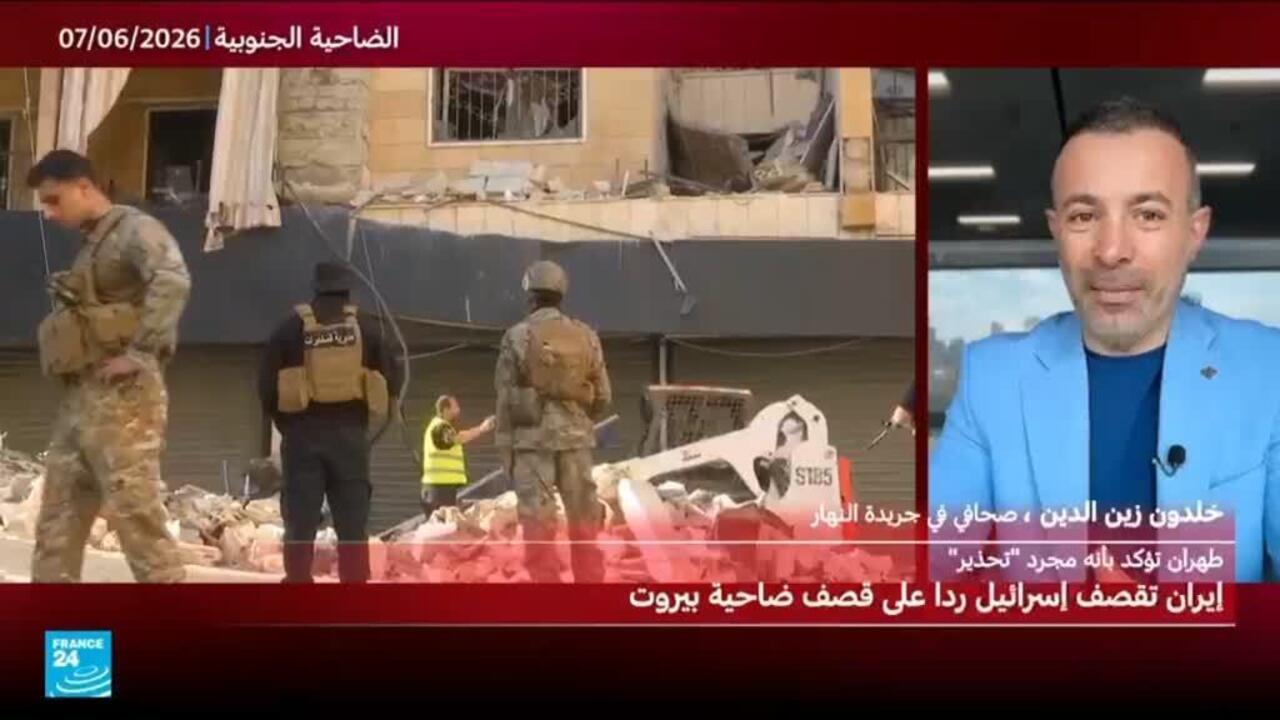
Iran has launched missiles towards Israel, representing the first military escalation since the ceasefire reached in April. The Iranian attack is a reaction to bombings that targeted the southern suburbs of Beirut, highlighting the rising tensions in the region.
U.S. President Donald Trump has urged Israel not to retaliate against this attack, warning that any escalation could negatively impact ongoing negotiations with Tehran. These statements reflect American concerns about the consequences of any military escalation in the region, especially given the already tense situation.
Details of the Incident
The Iranian attack targeted areas in northern Israel, raising international concerns about the potential for a wider conflict in the region. This attack follows a series of tensions between Iran and Israel, which have included airstrikes and mutual threats. Military sources in Tel Aviv confirmed that Israeli air defenses managed to intercept some of the missiles, preventing significant damage.
Iran, for its part, stated that this attack is a response to ongoing aggressions against its territory, emphasizing that military pressures will not deter it from continuing to support its allies in the region, including Hezbollah. This escalation comes at a sensitive time, as Tehran seeks to strengthen its regional position amid ongoing U.S. sanctions.
Background & Context
Historically, relations between Iran and Israel have been marked by increasing tensions, with Israel viewing Iran as an existential threat. In recent years, Iran has intensified its support for armed groups in the region, raising concerns in Tel Aviv. The recent attack occurs amid Iran's attempts to solidify the unity of Iranian and Lebanese fronts, which could alter the balance of power in the region.
Despite international efforts to de-escalate the situation, military tensions between the two sides continue unabated. Recent events indicate that any attempt at calming the situation may face significant challenges, especially as Iran continues to enhance its military capabilities.
Impact & Consequences
This escalation could have serious implications for regional security, as Israel may respond militarily, increasing the likelihood of a full-scale war. Additionally, any escalation could affect ongoing nuclear negotiations between Iran and major powers, as the international community seeks a peaceful resolution to the crisis.
International reactions to this attack will be crucial, as any support or condemnation from major powers could influence the course of events. Furthermore, the situation may open the door for new international interventions, complicating the regional landscape even further.
Regional Significance
The tensions between Iran and Israel do not only affect the two sides but also have wide-ranging implications for the Arab region. Many Arab countries are closely monitoring the situation, as any escalation could impact their stability and security. These events may also redraw alliances in the region, as some countries may seek to strengthen their cooperation with Israel in the face of Iranian threats.
Ultimately, the question remains about how events will unfold in the coming days and whether international powers will be able to contain this escalation before it turns into a full-blown conflict.