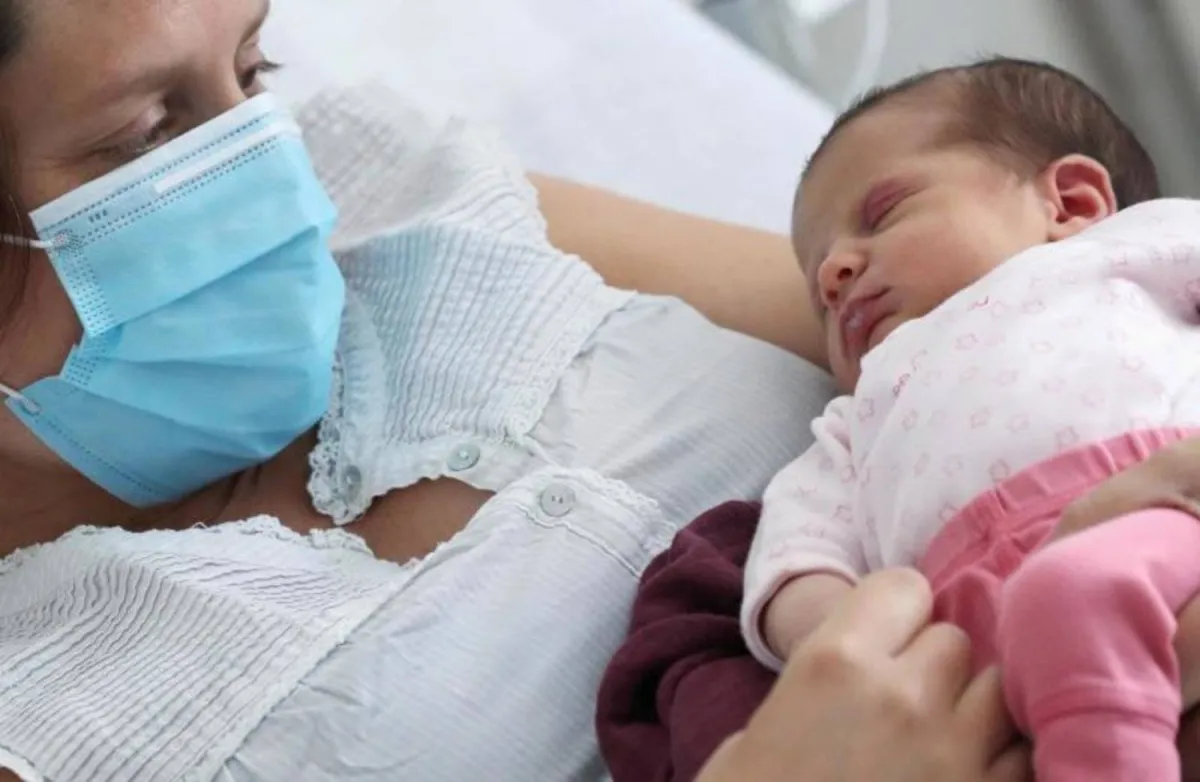
A recent study has shown that exposure to high levels of air pollution during pregnancy leads to delays in speech development in children. Conducted in London, the study involved 498 infants and found that the effects were more pronounced in premature babies.
The study was conducted by researchers from King's College London, who analyzed data from 498 infants born at St. Thomas' Hospital between 2015 and 2020. Among these, 125 infants were born prematurely, adding an additional dimension to the research on the impact of air pollution on their development.
Study Methodology and Findings
The researchers used the postal codes of the mothers' homes to estimate the pollution levels the children were exposed to, including nitrogen dioxide and fine particulate matter. After the infants reached 18 months, they underwent clinical tests to measure cognitive, language, and motor skills. The results showed that exposure to high levels of air pollution during the first three months of pregnancy led to delays in speech development.
For premature infants, the effects were more severe, with the study indicating that these children experience delays in speech skills alongside motor skill deficiencies. These findings raise concerns about the impact of air pollution on children's health at early stages of life.
Background & Context
Air pollution is considered one of the major environmental issues affecting human health worldwide. According to the World Health Organization, air pollution is the single largest environmental risk to public health. Reports indicate that residents of many major cities are exposed to pollutant levels exceeding recommended limits, raising questions about social justice and its impact on vulnerable populations.
In this context, Tyrone Scott, head of campaigns at the War on Poverty organization, pointed out that air pollution is not just an environmental issue but also a matter of justice and equality. Marginalized communities often live near busy roads, increasing their exposure to pollutants.
Impact & Consequences
This study highlights the urgent need for action to reduce air pollution, especially in urban areas. It also emphasizes the necessity of raising awareness about the health risks associated with air pollution, particularly for pregnant women. The negative effects on speech skills may impact children's education and social development in the future.
Furthermore, previous studies indicate that air pollution is also linked to low birth weight, increasing public health risks for children. This data calls for preventive measures to improve air quality, contributing to the protection of future generations' health.
Regional Significance
The problem of air pollution is escalating in many Arab countries, where major cities suffer from high levels of pollutants. This situation raises concerns about the effects of air pollution on children's health, especially given the challenging environmental conditions in some regions. This study should serve as a catalyst for Arab countries to adopt more effective environmental policies to protect citizens' health.
In conclusion, this study underscores the urgent need to educate the community about the dangers of air pollution and the necessity of taking effective steps to mitigate this issue. Protecting children's health should be a top priority, and governments and communities must work together to achieve a healthy and safe environment for all.