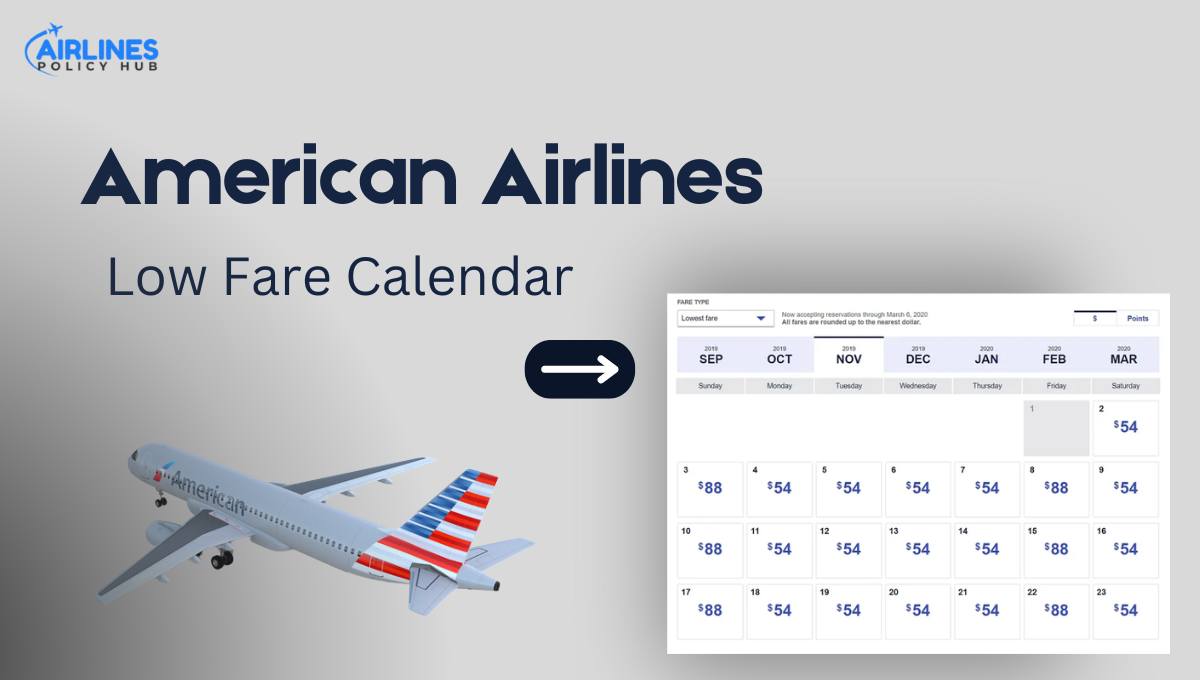
Recent reports indicate that U.S. airlines are significantly raising their ticket prices, yet travelers continue to book their flights. This comes amid rising fuel prices, particularly following recent events in Iran that led to the closure of the Strait of Hormuz, greatly impacting operational costs.
Currently, airline executives show that the demand for travel remains strong, with travelers willing to cover the higher costs. Ticket sales from travel agencies saw a 12% increase in March compared to the previous year, reaching $10.4 billion, with domestic flights rising by 5% and international flights by 1%.
Event Details
Data indicates that the prices of domestic economy tickets have risen by 21% compared to last year, averaging $570, while premium seat prices increased by 17% to $1,444 per flight. Despite these increases, JetBlue Airways CEO Joanna Geraghty reported that bookings remain strong, which is a positive indicator of the market's ability to adapt to current conditions.
U.S. airlines face additional challenges due to the war in Iran, which has added over $6 billion to their costs this year. However, major companies expect that customers will be able to cover these costs by early 2027, reflecting optimism about future demand.
Background & Context
Historically, the airline sector has experienced significant price fluctuations, often linked to oil prices and geopolitical events. Since the beginning of the year, fuel prices have risen sharply, impacting operational costs. This increase comes at a sensitive time as the summer holiday season approaches, typically a period of heightened travel demand.
Major airlines such as American Airlines, Delta Air Lines, and United Airlines are among the most optimistic regarding revenue growth, with American Airlines forecasting an increase of between 13.5% and 16.5% in second-quarter revenues. This optimism reflects the companies' ability to manage costs and achieve profits despite challenging circumstances.
Impact & Consequences
These developments underscore the importance of the airline sector in the U.S. economy, serving as an indicator of overall economic health. If travel demand continues to rise, it could lead to a larger recovery in the sector, contributing to job creation and increased revenues.
However, companies must be prepared to address future challenges, including fuel price volatility and potential economic pressures. Analysis suggests that ticket prices may remain high, which could affect consumers' travel choices in the future.
Regional Significance
Looking at the Arab region, rising airline ticket prices could impact travel between Arab countries and the United States. Many Arab travelers rely on flights to the U.S. for business, study, and tourism, so increased prices may lead to a reduction in the number of flights.
Arab airlines may also face similar challenges in managing operational costs, which could affect ticket prices in the region. It is crucial for Arab airlines to monitor these developments and be prepared to adapt to changing conditions.