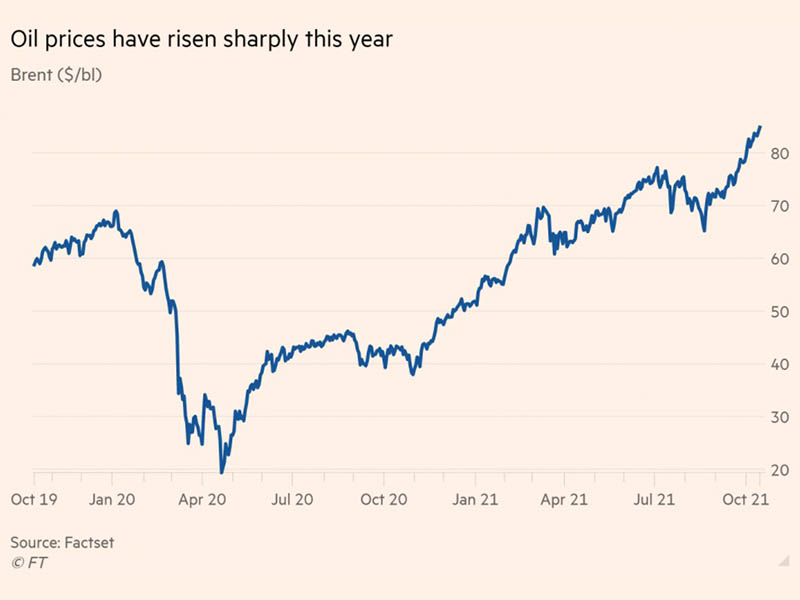
Global airlines have begun implementing strict measures to address the sudden rise in fuel prices, raising ticket prices and reducing capacity. This trend comes at a time when the industry was expecting to achieve record profits of $41 billion by 2026, but the significant increase in jet fuel prices may jeopardize these projections.
Prior to the outbreak of conflict between the United States, Israel, and Iran last month, airlines were anticipating a significant rebound in travel demand. However, the steady rise in fuel prices has forced these companies to reevaluate their strategies and operations.
Details of the Situation
Airlines such as United Airlines, Air New Zealand, and SAS have announced capacity reductions and price increases, while other companies have imposed additional fuel surcharges. Rigas Douganis, who previously served as the head of the now-defunct Greek airline Olympic Airlines, noted that airlines are facing an existential challenge, as they need to lower prices to stimulate declining demand while high fuel costs compel them to raise prices.
Last year, the industry recorded a record number of passenger movements, exceeding pre-pandemic levels by 9%, despite ongoing supply chain challenges affecting the delivery of new aircraft. However, the substantial increase required to offset rising fuel prices comes at a time when consumers are experiencing financial pressures due to high gasoline prices.
Context and Background
This crisis marks the fourth of its kind faced by the aviation industry since the beginning of the century, having experienced three previous oil shocks: the first in 2007-2008, the second following the Arab Spring in 2011, and the third after the outbreak of war between Russia and Ukraine in 2022. Companies like Vietnam Airlines have expressed concerns about securing fuel supplies due to the closure of the Strait of Hormuz.
While airlines are striving to replace older aircraft with more fuel-efficient models, the post-pandemic supply chain shortage has delayed the delivery of new planes. Although U.S. low-cost carriers possess some of the latest aircraft, the decline in travel demand may make affording these planes a barrier to achieving profitability.
Consequences and Impact
Dan Taylor, head of consulting at IBA, predicts that this oil shock will widen the gap between financially strong airlines and weaker ones. Airlines with robust budgets and good pricing power will be better positioned to withstand ongoing pressures, while low-profitability carriers may face limited financing options and increasing financial stress.
At the same time, low-cost airlines may face greater challenges, as their passengers are more price-sensitive compared to the affluent customers targeted by major airlines. This could lead some travelers to shift to alternative modes of transport such as trains or buses.
Impact on the Arab Region
These developments significantly affect the Arab region, where many countries rely on tourism and travel as a core part of their economies. Rising ticket prices may reduce the number of tourists coming to Arab countries, negatively impacting the economic sectors linked to tourism.
In conclusion, the rise in fuel prices and its repercussions on the aviation industry present a significant challenge, requiring companies to rethink their strategies to cope with these recurring crises.