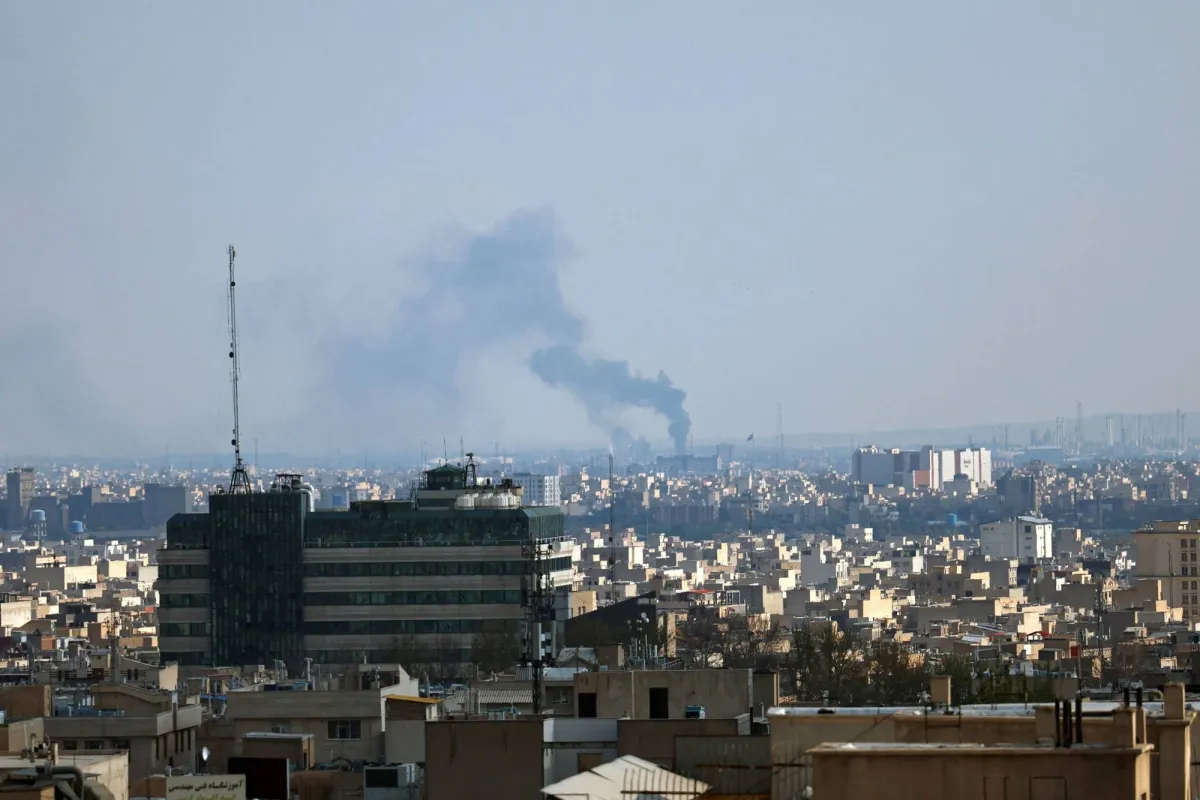
Airstrikes targeted the Pasteur Institute in Tehran, resulting in significant damage to this historic health facility, which has a history spanning over a century. The Iranian Ministry of Health reported on Thursday that the attack poses a direct threat to international health security, according to spokesperson Hussein Kermanpour.
Kermanpour released images showing the extent of the destruction at the site, where parts of the building have been reduced to rubble. The Pasteur Institute is considered a cornerstone of public health in Iran and is known for its role in vaccine development and scientific research.
Details of the Incident
The attack on the Pasteur Institute comes at a time when tensions are escalating in the Middle East, with increasing reports of military targeting and unprecedented diplomatic movements. Kermanpour indicated that the assault on the institute represents an attack on global health security, raising concerns about its implications for public health in the region.
In a related context, the Pasteur Institute in Paris expressed solidarity with the Iranian institute, emphasizing the independence of both institutions and the absence of scientific collaboration between them since 1946. These statements come at a sensitive time, as international pressure on Iran increases amid rising military tensions.
Background & Context
The Pasteur Institute in Tehran was established in 1920 and is one of the leading research centers in the field of medicine and health sciences in Iran. It has played a pivotal role in developing vaccines to combat epidemic diseases. The attack on the institute occurs at a time when Iran is facing increasing economic and political pressures, complicating the internal landscape.
These events coincide with international efforts to reopen the Strait of Hormuz and secure maritime navigation, as 36 countries gather for an international meeting to discuss ways to secure this vital corridor. Reports also reveal Iranian consultations with Oman to draft a joint protocol for monitoring traffic in the strait.
Impact & Consequences
The attack on the Pasteur Institute could negatively impact Iran's international relations, as it is considered an assault on one of the symbols of public health. This attack may lead to increased pressure on the Iranian government from the international community, potentially affecting its negotiation efforts regarding regional issues.
Moreover, the military escalation in the region may hinder any diplomatic efforts aimed at resolving ongoing conflicts and heighten tensions between Iran and Western countries. At the same time, the attack could bolster nationalist sentiments within Iran, potentially increasing support for the government in the face of external pressures.
Regional Significance
The Arab region is directly affected by the rising tensions in Iran, as Iran is a key player in many regional conflicts. The attack on the Pasteur Institute may provoke reactions from Arab countries, particularly those with strained relations with Iran.
Simultaneously, this attack could enhance the efforts of Arab nations to secure their interests in the region and increase the importance of regional cooperation to address security challenges. Additionally, the military escalation may obstruct peace efforts in conflict areas such as Syria and Yemen, further complicating the regional landscape.
In conclusion, the attack on the Pasteur Institute in Tehran represents a turning point in Iran's international relations and reflects the escalating tensions in the region. Under these circumstances, there remains hope that diplomatic efforts will lead to de-escalation and stability in the region.