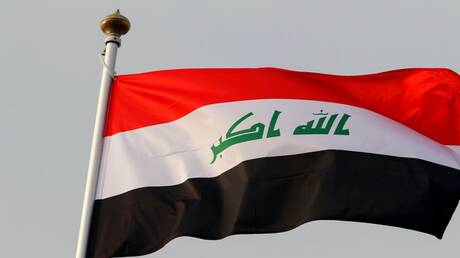
The 'Brigades of Blood Guardians', part of the 'Martyrs' Brigades', have firmly rejected the surrender of arms or any concession in fighting until the occupation of Iraq is ended. This announcement, made in an official statement on Friday, reflects the ongoing tensions in the country.
These statements reaffirm the Iraqi resistance's position against any form of surrender or negotiation before achieving national goals. The statement comes at a time when the country is facing significant political and security challenges, complicating the internal situation further.
Details of the Announcement
In the statement, the 'Brigades of Blood Guardians' emphasized that the resistance will continue its struggle until national sovereignty is achieved. They pointed out that the surrender of arms will only occur after the occupation is concluded, which many view as a fundamental condition for restoring stability in Iraq. This stance reflects the deep national sentiments among many armed factions that see the occupation as the primary cause of numerous crises afflicting the country.
These remarks come at a sensitive time, as calls from certain political factions for dialogue and negotiation with foreign forces are increasing, while resistance groups reject this, asserting that any dialogue must occur under conditions that guarantee Iraq's full sovereignty.
Background & Context
Since the American invasion of Iraq in 2003, the country has suffered from political and security instability. These conditions have led to the emergence of numerous armed factions that oppose the occupation and consider themselves defenders of the homeland. The 'Brigades of Blood Guardians' is one of these factions and has played a prominent role in resisting foreign forces.
Historically, Iraq has witnessed numerous wars and conflicts that have impacted its social and economic structure. Over time, armed resistance has become part of the political landscape, making stability difficult to achieve. In recent years, the Iraqi government has attempted to strengthen its control, but challenges remain prevalent.
Impact & Consequences
These statements underscore the continuation of armed resistance in Iraq, which may lead to heightened tensions between armed factions and the government. If these factions continue to reject dialogue, it could exacerbate security conditions and increase violence in the country.
Moreover, the position of the 'Brigades of Blood Guardians' may affect relations between Iraq and foreign countries, especially the United States. Under these circumstances, the Iraqi government may find itself in a difficult position, needing to balance the demands of armed factions with international pressures.
Regional Significance
The situation in Iraq has significant implications for the Arab region as a whole. Continued tensions in Iraq could have repercussions for neighboring countries, particularly concerning security and stability. The rise of armed resistance may also encourage other factions in the region to adopt similar stances.
At the same time, these events could impact peace and stability efforts in the Middle East, as many countries seek to achieve political agreements. Therefore, the situation in Iraq remains a focal point of interest for Arab nations and the international community.