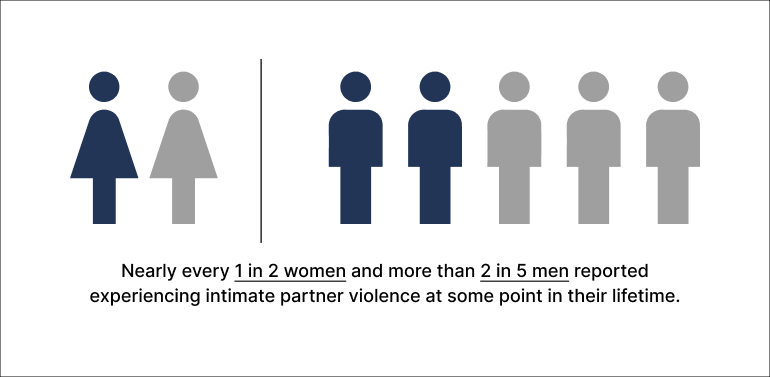
A recent report by 'Family Protection' reveals that physical violence constitutes the majority of recorded abuse cases, with women being the most affected. This data emerges amid increasing calls to enhance women's rights protection.
The data indicates that physical violence accounts for over 60% of all abuse cases, highlighting the urgent need for effective strategies to combat this phenomenon. The report shows that women represent approximately 75% of violence victims, reflecting a significant gap in the protection of their rights.
Details of the Incident
The report states that physical violence is the leading type of abuse, followed by psychological and sexual violence. A noticeable increase in reported cases has been recorded over the past year, raising concerns about the effectiveness of current policies in addressing this issue. The report also notes that most incidents of violence occur within the family setting, complicating the problem further.
Contributing factors to the prevalence of physical violence include a lack of community awareness, insufficient legal support for victims, and the economic and social pressures faced by families. The report emphasizes the importance of providing psychological and social support services to help victims recover and rebuild their lives.
Background & Context
Violence against women is a global issue that requires concerted efforts at all levels. In many Arab countries, laws related to protecting women from violence remain inadequate, exacerbating the prevalence of this phenomenon. Previous studies have shown that violence against women is closely linked to prevailing cultural norms and misconceptions about women's roles in society.
Various reasons contribute to the spread of physical violence, ranging from social traditions that justify violence to a lack of education and awareness. Additionally, the economic and political crises faced by some Arab countries have contributed to increased rates of violence, as psychological pressures on individuals rise, leading to the release of these pressures in the form of violence.
Impact & Consequences
The phenomenon of physical violence significantly impacts society as a whole, contributing to widespread feelings of fear and insecurity among women, which reduces their participation in public life. Furthermore, violence against women has negative effects on the mental and physical health of victims, leading to increased healthcare costs.
Moreover, physical violence hinders social and economic development, as many women are forced to leave work or education due to the effects of violence. Therefore, addressing this issue requires comprehensive strategies that include awareness-raising, providing support for victims, and amending laws to ensure the protection of women's rights.
Regional Significance
The phenomenon of violence against women is an urgent issue in the Arab region, where levels of violence vary from one country to another. However, commonalities among Arab countries highlight the need to strengthen efforts to combat this phenomenon. Calls from civil society organizations and governments are increasing to adopt effective policies to protect women and provide a safe environment for them.
In this context, there must be a partnership between governments and civil society to raise awareness about women's rights and provide necessary support for victims. Addressing this issue requires a genuine commitment from all stakeholders, including educational institutions, government entities, and the local community.
In light of the increasing cases of physical violence, hope remains pinned on strengthening efforts to protect women's rights and provide a safe environment for them. This requires the concerted efforts of all stakeholders to ensure a better future for women in the Arab world.