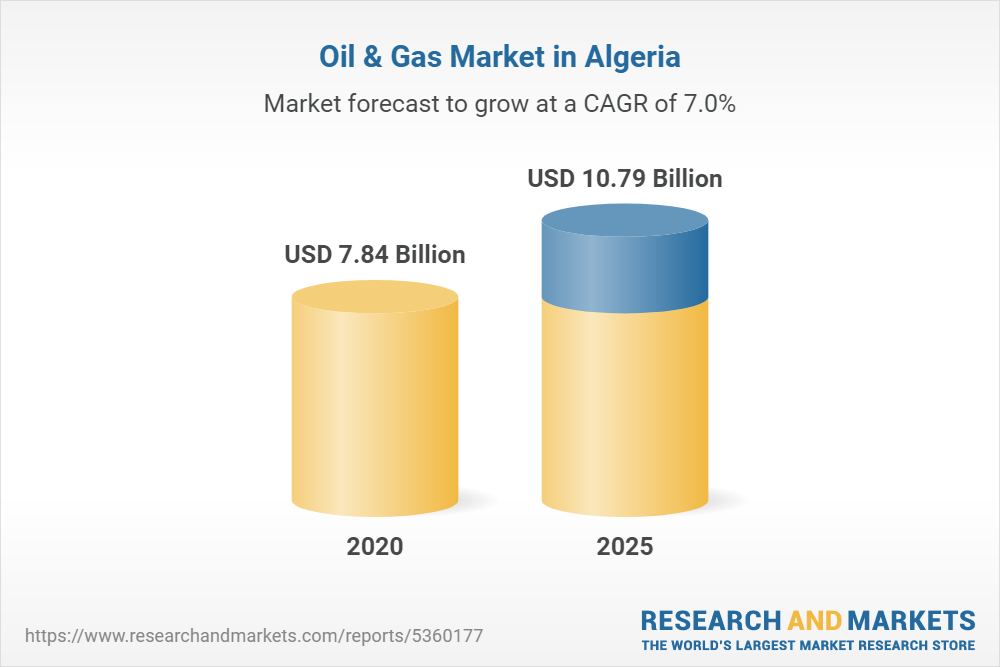
Algeria is actively enhancing its financial revenues amid significant economic challenges, with the government aiming to reduce the historic budget deficit. The unexpected rise in oil and gas revenues has improved the country's financial situation, prompting the government to take serious steps to bolster these revenues.
In this context, the government announced the issuance of new sukuk as a means to attract investments and enhance financial liquidity. This move comes at a time when oil prices are experiencing a notable increase due to geopolitical conditions in the region, which enhances Algeria's chances of achieving financial surpluses to help address the deficit.
Details of the Initiative
Algeria expects that the new sukuk will contribute to increasing financial revenues, as the government targets raising substantial amounts through this financial instrument. This initiative is part of a broader strategy aimed at improving the country's financial situation and enhancing economic stability.
It is noteworthy that Algeria heavily relies on oil and gas exports, making it vulnerable to fluctuations in global market prices. However, the current rise in prices presents a timely opportunity for the government to enhance its revenues.
Background & Context
Historically, Algeria has faced numerous economic challenges, particularly following the decline in oil prices in recent years. This significantly impacted the public budget and led to a large deficit. In recent years, the government has taken multiple steps to strengthen the economy, including diversifying income sources and reducing reliance on oil.
Sukuk are considered an effective tool for attracting investments, and many Arab countries have utilized them to enhance revenues. Algeria hopes that this step will contribute to improving its financial situation and fostering economic growth.
Impact & Consequences
If Algeria succeeds in achieving its financial goals through the new sukuk, it could lead to an overall improvement in the economic situation. Additionally, increased revenues may contribute to boosting investments in other sectors, thereby creating new job opportunities.
However, the biggest challenge remains how to manage these revenues effectively to ensure their sustainability in the long term. Fluctuations in oil prices could negatively impact the budget if appropriate measures are not taken.
Regional Significance
Algeria is one of the largest oil producers in the region, and any improvement in its financial situation could have positive effects on neighboring countries. Increased revenues may enhance economic cooperation between Algeria and other countries in the region, contributing to achieving economic stability.
At the same time, Algeria must be cautious in managing its resources, as economic challenges persist in many Arab countries, necessitating effective coordination among nations to achieve sustainable development.