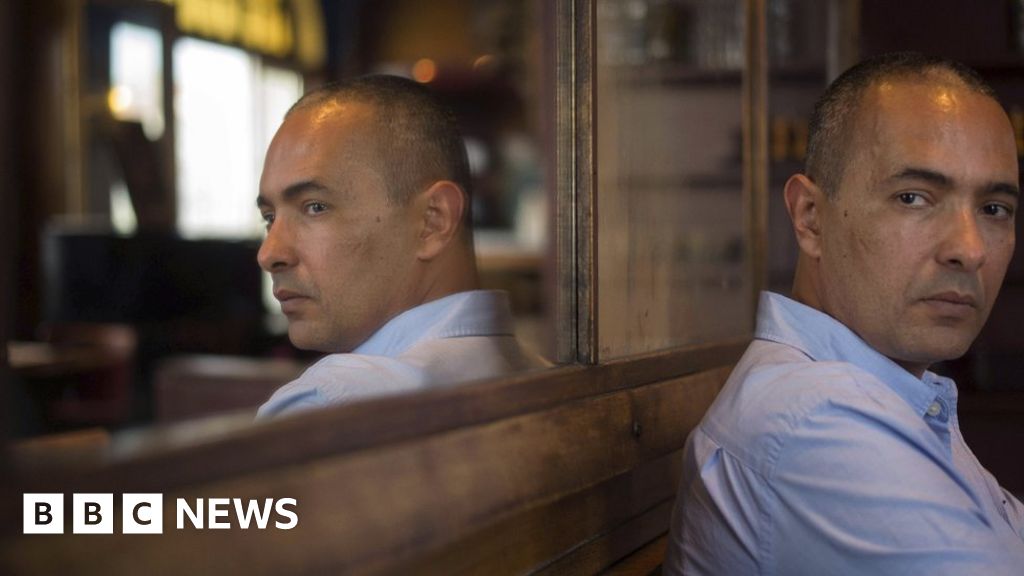
The Algerian judiciary has denied any political motives behind the absentia prison sentence imposed on writer Kamel Daoud, who resides in France, due to the content of his award-winning novel 'Houriates'. This statement was made by the assistant public prosecutor at the Oran Court of Justice, Boumediene Rozal, who emphasized that the ruling was a result of the novel's content and had no political implications.
This ruling has sparked widespread controversy within cultural and media circles, with some viewing it as a suppression of intellectual freedom. Rozal pointed out that the judiciary operates according to applicable laws and that the ruling was not politically motivated.
Details of the Case
Kamel Daoud is a well-known Algerian writer, and his novel 'Houriates' received the prestigious Goncourt Prize, which increased his popularity in literary circles. The sentence against him followed legal proceedings related to the novel's content, which some considered controversial. He was sentenced to actual imprisonment, prompting varied reactions both in Algeria and abroad.
In his statements, the public prosecutor indicated that the ruling was devoid of any political motives and that the Algerian judiciary is independent and operates according to the law. He also affirmed that any claims of political motives are mere unfounded allegations.
Background & Context
Historically, Algeria has witnessed numerous cases concerning intellectual freedom and literary creativity. In recent years, criticisms have escalated regarding how authorities deal with writers and artists, leading to widespread concern within cultural circles. Kamel Daoud's case falls within this context, as many view his sentence as a threat to literary freedom.
The novel 'Houriates' is considered one of the literary works that reflect social and political challenges in Algeria, receiving acclaim from both critics and the public. However, the novel's content has been contentious, leading to legal actions against the writer.
Impact & Consequences
The sentence against Kamel Daoud may have negative repercussions on the literary scene in Algeria, potentially leading to a decline in freedom of expression and making writers and artists more cautious in their work. This situation could stifle literary creativity and limit cultural diversity in the country.
Moreover, this ruling may increase international pressure on Algeria regarding human rights and public freedoms. Many international organizations may express concern over this ruling, potentially placing the Algerian government in a difficult position before the international community.
Regional Significance
Kamel Daoud's case is not unique, as many Arab countries face similar issues related to freedom of expression and thought. This ruling could serve as a wake-up call for other nations regarding the importance of protecting the rights of writers and artists.
In light of the changing political conditions in the region, these issues may lead to further tensions between governments and intellectuals, highlighting the need for dialogue and understanding to protect cultural creativity.
The ruling against Kamel Daoud raises questions about freedom of expression in Algeria and reflects the challenges faced by writers in the Arab world. As intellectuals strive to express their opinions freely, the question remains on how to balance freedom of expression with legal considerations.