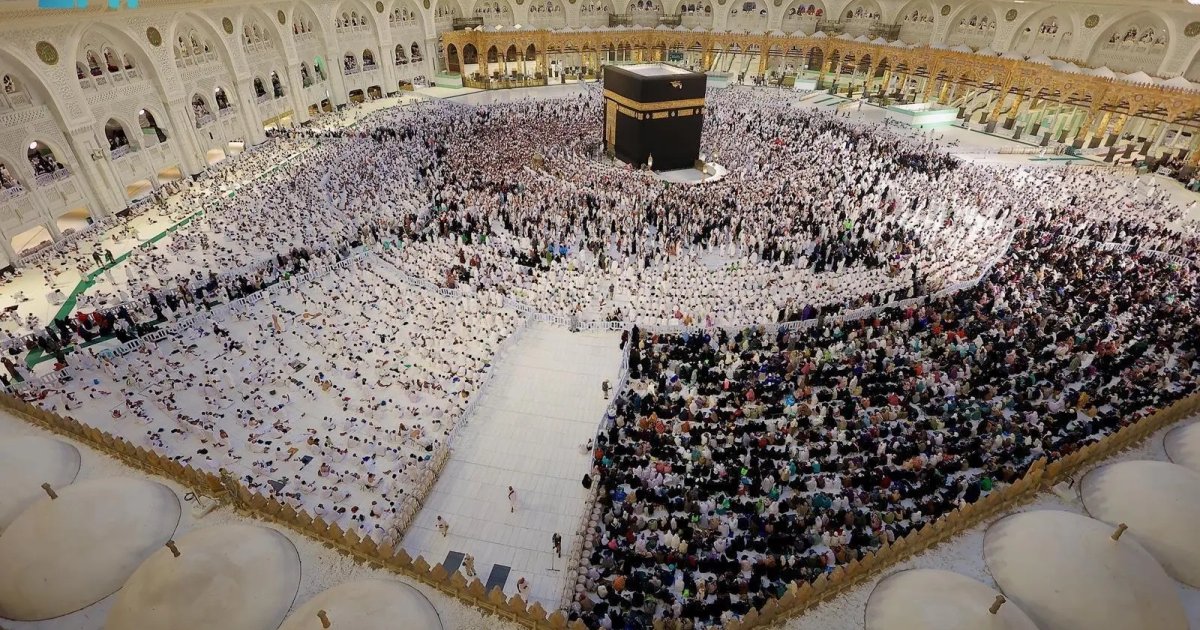
The Ministry of Hajj and Umrah in the Kingdom of Saudi Arabia has announced that Saudi citizens and residents, as well as citizens of Gulf Cooperation Council countries, are allowed to perform Umrah until May 3, corresponding to the 15th of Dhu al-Qi'dah. This decision is part of efforts to facilitate the performance of religious rituals, as these pilgrims are exempt from needing a Hajj permit to enter Mecca.
The ministry has also set the first of Dhu al-Qi'dah, which falls on April 19, as the last date for all pilgrims who arrived on Umrah visas to depart, coinciding with the start of the annual Hajj season that attracts pilgrims from around the world to Mecca and Medina. The Grand Mosque is expected to witness significant crowds in the final days of the blessed month of Ramadan, as many citizens and residents seize this opportunity to perform Umrah before the Hajj season begins.
Details of the Announcement
The number of Umrah performers has been increasing in recent days, with many Saudi citizens and residents heading to the Grand Mosque to perform Umrah. Hotels surrounding the Grand Mosque have seen a significant rise in occupancy rates due to the influx of visitors from various regions and provinces in Saudi Arabia, especially during the weekends.
The Ministry of Hajj and Umrah is striving to provide all necessary facilities to ensure the comfort of the pilgrims, having implemented precautionary measures to guarantee their safety while performing the rituals. Additionally, services provided at the Grand Mosque have been enhanced to meet the needs of visitors.
Background & Context
Umrah is considered one of the important religious rituals in Islam, performed by Muslims at any time of the year, unlike Hajj which has specific dates. In recent years, Saudi Arabia has witnessed significant changes in organizing Umrah rituals, especially following the COVID-19 pandemic that impacted the number of pilgrims.
As recovery from the pandemic begins, the Kingdom has started reopening its doors to Umrah performers and offering new facilities aimed at increasing visitor numbers. Statistics have shown a growing interest among citizens and residents in performing Umrah, reflecting the importance of this ritual in religious and social life.
Impact & Consequences
Allowing Umrah until May 3 is a positive step that reflects the Kingdom's commitment to enhancing religious tourism. This decision will contribute to increased economic activity in Mecca, where many traders and business owners rely on the influx of visitors during this period.
This decision also reflects the general trend in the Kingdom towards promoting religious tourism, which may help improve the image of the Kingdom as a global tourist destination. It is expected that this decision will encourage more people to visit Mecca, thereby strengthening cultural and religious ties among Islamic countries.
Regional Significance
The decision to allow Umrah until May 3 is significant for the region as it underscores Saudi Arabia's role as a center for Islamic pilgrimage. The influx of pilgrims not only boosts the local economy but also fosters a sense of unity among Muslims worldwide.
In conclusion, this initiative by the Saudi government is a crucial step towards revitalizing the religious tourism sector and ensuring that the spiritual needs of Muslims are met, especially in light of the recent challenges posed by the pandemic.