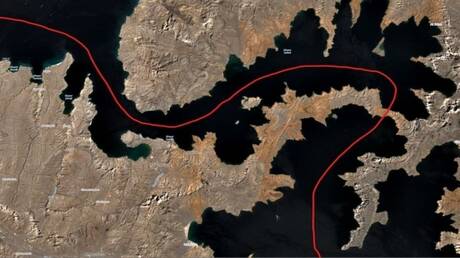
In a move that could reshape the maritime navigation map in the region, the 'Tanker Trackers' platform, which specializes in monitoring oil tanker movements, has proposed the establishment of an alternative waterway to the Strait of Hormuz. The proposal involves cutting a rocky bridge that extends along the Omani coast, resembling the famous Suez Canal in its design.
This idea is seen as a response to the ongoing tensions in the Gulf region, where the Strait of Hormuz is a vital transit point for oil and natural gas. Approximately 20% of the world's total oil passes through this strait, making it a strategic point that requires constant protection.
Proposal Details
The suggestions come at a time when fears are increasing regarding potential threats that could hinder navigation in the Strait of Hormuz. Experts have indicated that creating an alternative waterway could help reduce reliance on this strait, thereby enhancing global energy security. Furthermore, this project may require substantial investments and international cooperation to realize.
This proposal is expected to spark widespread debate among the concerned nations, as any change in maritime transport routes could directly impact local and international economies. Additionally, there are questions regarding the environmental impact of this project, especially in a region rich in biodiversity.
Background & Context
The Strait of Hormuz has long been a focal point for political and military tensions, having witnessed numerous incidents that disrupted navigation. In recent years, tensions between Iran and the United States have escalated, increasing concerns about the safety of commercial vessels.
Although there have been previous attempts to reduce reliance on the Strait of Hormuz, these proposals have not gone beyond theoretical discussions. However, current conditions may compel nations to seriously consider new alternatives.
Impact & Consequences
If this proposal is implemented, it could lead to a radical change in the dynamics of the global oil market. The alternative waterway could contribute to lowering oil prices in the long term, as it would increase competition among different transport routes.
Moreover, this project could enhance regional stability by reducing tensions associated with navigation in the Strait of Hormuz. Nevertheless, logistical and environmental challenges will remain, necessitating careful study before proceeding with implementation.
Regional Significance
This proposal reflects the urgent need to find alternatives to the Strait of Hormuz, which could significantly affect the stability of global oil markets. The potential for a new waterway could open up new economic cooperation avenues while addressing the pressing issues of maritime security.
In conclusion, the establishment of an alternative waterway could not only reshape the maritime navigation landscape but also play a crucial role in ensuring energy security in a volatile region.