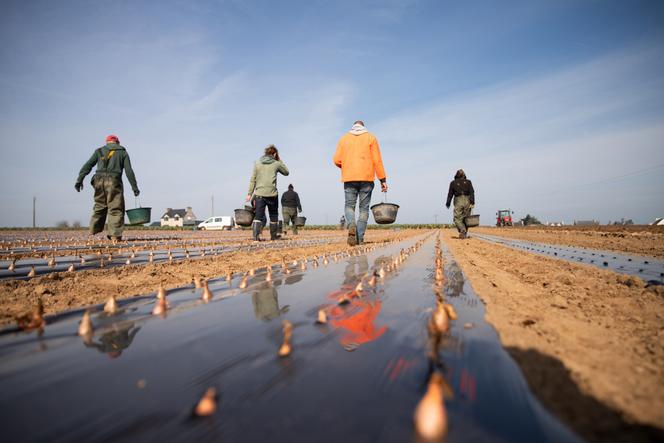
In a move reflecting the growing awareness of workers' rights, seasonal workers in the French region of Brittany are demanding improvements in their working conditions. Chef Brievel Benson emphasized the need for higher wages and consecutive days off. After 15 years in the industry, Benson feels that tangible improvements in the work environment are necessary.
In 2019, there were approximately 100,000 seasonal workers in Brittany, according to a study by the National Institute of Statistics and Economic Studies (INSEE). Many of these workers suffer from exhaustion due to long hours and low wages, prompting them to call for radical changes.
Demands for Better Working Conditions
The demands include improvements in housing conditions, as many workers face a shortage of suitable accommodation. Additionally, the atmosphere within working teams plays a crucial role in worker satisfaction, with Benson stressing the importance of working in a positive environment.
These demands come at a time when the tourism sector is experiencing a recovery following the impacts of the COVID-19 pandemic, placing additional pressure on employers to meet the needs of workers.
Background & Context
Historically, seasonal employment in France, particularly in tourist areas like Brittany, has relied on low wages and long working hours. With the increasing awareness of workers' rights in recent years, workers have begun to demand substantial improvements.
Impact & Consequences
If these demands continue, they could lead to significant changes in how seasonal labor is managed in France. Companies may be compelled to reassess their policies regarding wages and working conditions to attract and retain workers.
Regional Significance
This issue highlights the rights of workers and the need for improved working conditions, which could influence labor policies across various sectors. The ongoing dialogue around these demands is crucial for shaping a more equitable labor market.
As seasonal workers in Brittany continue to advocate for their rights, the outcome of their efforts may set a precedent for similar movements in other regions and industries.