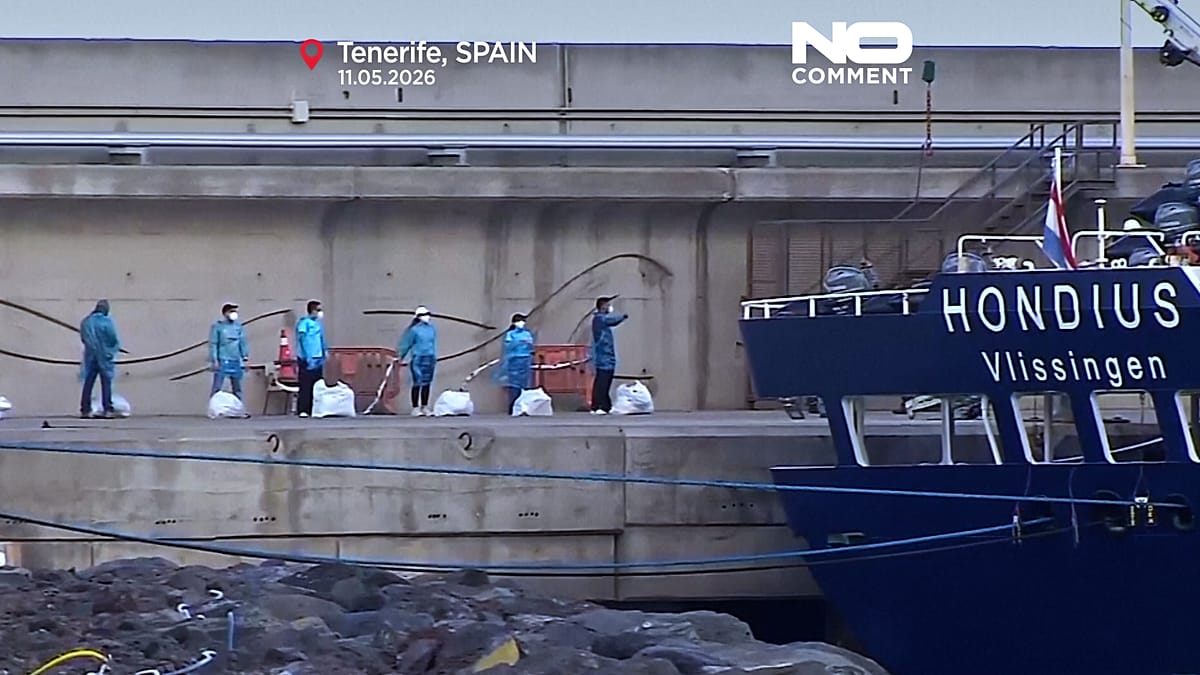
The health authorities in Tenerife announced the successful completion of the evacuation of the remaining passengers aboard the cruise ship 'MV Hondius', which faced an outbreak of the Hanta virus. The passengers were transferred to quarantine facilities in more than 20 countries, reflecting the international efforts made to combat this health threat.
The ship, which was on a tourist voyage, reported cases of Hanta virus infection, a rare virus that can cause serious illnesses. Health authorities took immediate action to ensure the safety of passengers and crew, isolating the ship in port until all passengers were evacuated.
Details of the Evacuation
Earlier, cases of Hanta virus infection were reported among the passengers, prompting an urgent decision to evacuate them. Special aircraft were provided to transport them back to their home countries, where quarantine facilities were prepared to receive them. Health authorities in Tenerife confirmed that all measures were taken in accordance with global health standards.
This incident is one of the rare cases of Hanta virus outbreaks aboard a cruise ship, raising widespread concern about how to handle such epidemics in the future, especially with the increase in global travel and tourism.
Background & Context
The Hanta virus is transmitted by rodents and is considered rare in most parts of the world. However, its outbreak can lead to Hanta virus pulmonary syndrome, a serious medical condition. Historically, cases of Hanta virus outbreaks have been reported in specific areas, but this incident aboard the cruise ship highlights the need for a rapid and effective response from health authorities.
The global health community has been alerted to the potential risks associated with the Hanta virus, emphasizing the importance of preparedness and response strategies to mitigate the impact of such outbreaks.
Impact & Consequences
This incident serves as a wake-up call for health authorities worldwide regarding the necessity of enhancing preventive measures to combat epidemics. It also underscores the importance of international cooperation in sharing information and expertise to address health threats. The tourism industry is expected to be significantly affected, as some tourists may hesitate to travel to tourist destinations following this incident.
Furthermore, the economic implications for the regions involved could be substantial, as the perception of safety in travel is crucial for the recovery of the tourism sector.
Regional Significance
The implications of this incident extend beyond immediate health concerns, as it raises questions about the effectiveness of current health protocols in the tourism sector. The response to the Hanta virus outbreak on the cruise ship could influence future policies regarding health safety in travel.
In conclusion, the successful evacuation of passengers from the 'MV Hondius' highlights the importance of swift action in the face of health emergencies and the need for robust international collaboration to ensure public safety.