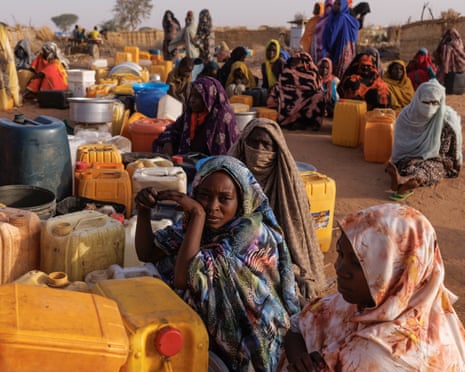
In 2025, the number of internally displaced persons due to conflicts and violence exceeded 32.3 million, marking a 60% increase compared to the previous year. This report from the International Displacement Monitoring Centre (IDMC) emphasizes that displacement caused by conflicts has, for the first time, surpassed displacement due to natural disasters, which reached 29.9 million in the same year.
Jan Egeland, Secretary General of the Norwegian Refugee Council, described these figures as a "sign of a global collapse in the basic protection of civilians." He pointed out that many families are returning to destroyed homes with no services available, or are unable to return at all. From the Democratic Republic of Congo and Sudan to Iran and Lebanon, we are witnessing the displacement of millions more beyond previous record numbers.
Details of the Displacement Crisis
Internal displacement refers to any situation where a person is forced to flee within the borders of their own country, and the same individual may experience displacement multiple times. The global report on internal displacement from IDMC revealed that the number of people displaced in 2025, or in previous years and still suffering from displacement, reached 82.2 million, the second highest figure after the historical peak in 2024, which was 83.5 million.
Despite the decrease in the number of displaced individuals, the report stresses that this decline "should not be understood as an improvement," as behind the numbers lie "hundreds of thousands of forced returns, destroyed infrastructure, and increasing social and environmental pressures" that render durable solutions unrealistic.
Historical Context
Historically, the world has witnessed waves of internal displacement due to conflicts, with armed conflicts being the primary driver of displacement. As international and local conflicts have increased, internal displacement has become a growing phenomenon, with over 83% of displaced individuals in 2025 having fled their homes due to conflicts and violence, while the remainder fled due to natural disasters.
Countries such as Sudan, Colombia, Syria, Yemen, and Afghanistan are among those that have seen the highest numbers of displaced individuals due to conflicts. Sudan has continued to record the highest number of internally displaced persons for the third consecutive year.
Impact and Consequences
The record number of displacement resulting from conflicts is attributed to new international conflicts and the worsening of existing ones, making it impossible for people to return home. In 2025, the deteriorating security situation in many areas contributed to exacerbating this crisis.
As the number of displaced persons continues to rise, the humanitarian implications are severe, with displaced individuals facing significant challenges in accessing basic services and returning to their destroyed homes.
Regional Significance
The implications of this crisis extend beyond the immediate humanitarian needs, affecting regional stability and security. The ongoing displacement crisis poses challenges for neighboring countries and international organizations tasked with providing assistance and finding solutions.
In conclusion, the alarming rise in internally displaced persons due to conflicts underscores the urgent need for a coordinated international response to address the root causes of displacement and provide support for affected populations.