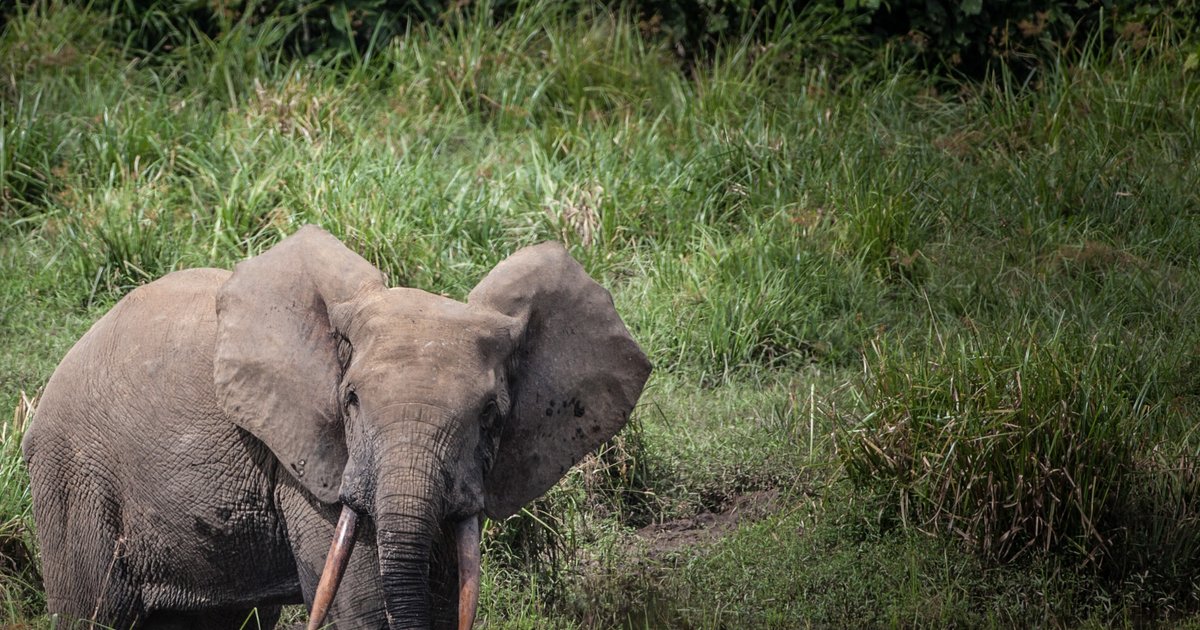
An American hunter fell victim to a fatal elephant attack while on a safari in Gabon, resulting in his death and sparking widespread concern regarding the safety of tourists in wilderness areas. The attack took place in a remote region, making emergency access to the victims challenging.
According to reports, the victim was part of a group of tourists exploring the wildlife in Gabon, a destination renowned for its biodiversity. The attack occurred early Saturday morning when the hunter was surprised by the elephant while attempting to approach it.
Details of the Incident
The attack happened in a dense forest area, where the hunter was trying to capture photos of the wildlife. The elephant, appearing to be in a state of agitation, suddenly charged at the hunter. Despite the team's efforts to rescue him, the injuries were severe, leading to his death at the scene.
This incident is not the first of its kind in Gabon, as the country has previously witnessed similar occurrences, highlighting the risks associated with safaris in wilderness areas. Local authorities have confirmed that a thorough investigation into the incident will be conducted.
Background & Context
Gabon is considered one of the preferred tourist destinations for wildlife enthusiasts, boasting a diverse array of animals and plants. However, interactions between humans and wildlife can be dangerous, especially in regions inhabited by elephants. Historically, Gabon has faced conflicts between local populations and wildlife, resulting in unfortunate incidents.
The country’s rich biodiversity attracts many tourists, but it also poses challenges for safety management. The need for effective wildlife management strategies is crucial to ensure both the safety of tourists and the protection of wildlife.
Impact & Consequences
This incident may negatively impact tourism in Gabon, as potential visitors might hesitate to travel to the country after hearing about such events. Ecotourism heavily relies on the safety of its visitors, and any incident could lead to a decline in tourist numbers. Furthermore, this incident may prompt authorities to reassess their ecotourism policies, including how to manage wildlife encounters.
Local businesses that depend on tourism may also feel the repercussions, as a decrease in visitors could lead to financial losses. The incident underscores the importance of establishing safety protocols and educating tourists about the potential dangers of wildlife interactions.
Regional Significance
In the broader context, this incident raises questions about wildlife conservation and human-wildlife conflict in Africa. As countries like Gabon strive to promote ecotourism, balancing the needs of local communities, wildlife conservation, and tourist safety becomes increasingly complex.
Ultimately, this tragic event serves as a reminder of the inherent risks associated with wildlife tourism and the need for ongoing dialogue about best practices in managing these interactions.