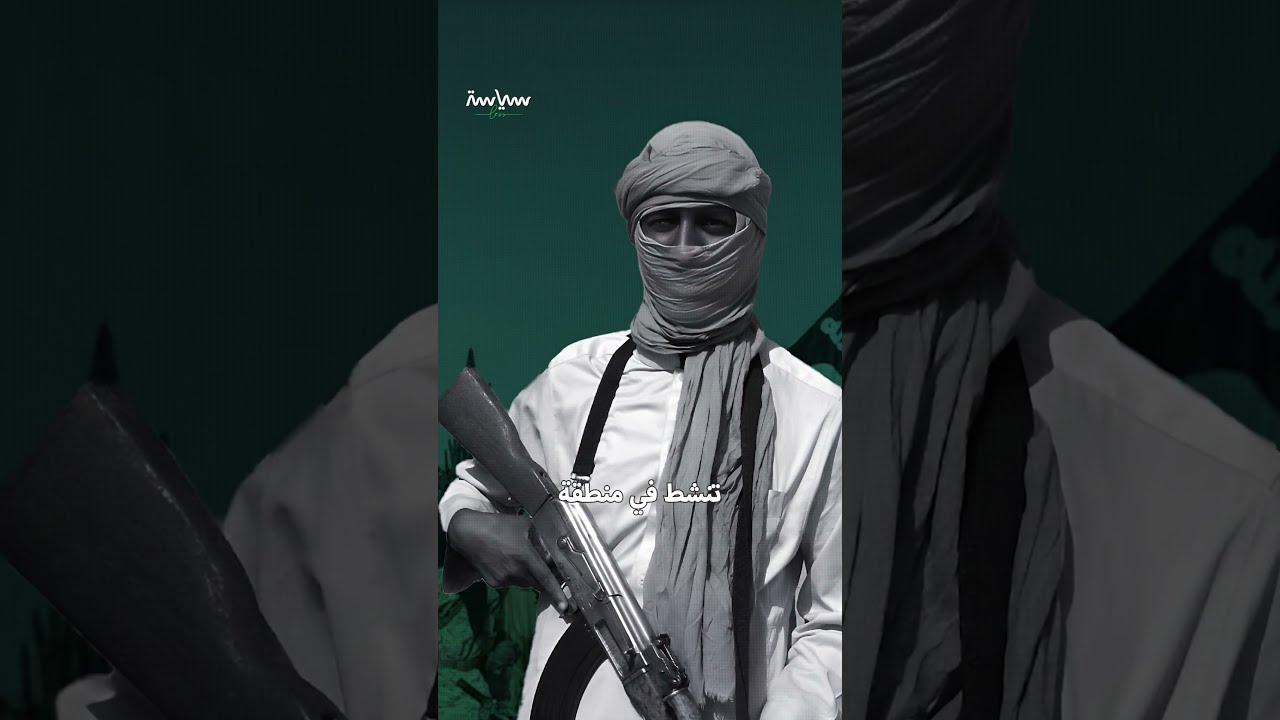
In an unprecedented move, the group Support for Islam and Muslims has collaborated with the Azawad Liberation Front to execute coordinated operations against Malian forces, targeting several cities including the capital Bamako. The operation began with a car bomb attack aimed at the home of the Malian Minister of Defense, followed by clashes in areas such as Kidal, Gao, and Sévaré, reflecting a significant escalation in the ongoing conflict in Mali.
This collaboration between the two groups, despite their ideological differences, is not new, as it harkens back to previous alliances among armed groups in northern Mali. The region has seen past coalitions, such as that formed between Ansar Dine and the National Movement for the Liberation of Azawad in 2012, which led to the takeover of vast areas of northern Mali.
Details of the Coordination
Following the collapse of Colonel Muammar Gaddafi's regime in Libya, Tuareg fighters poured into northern Mali, contributing to the breakdown of Malian military control over regions such as Gao, Timbuktu, and Kidal. On April 6, 2012, the National Movement for the Liberation of Azawad declared its independence, further complicating the security situation in the region.
The situation continues to deteriorate, highlighting the urgent need for new strategies to address the increasing security challenges.
Historical Context
The history of the conflict in Mali is complex, intertwining political and ethnic factors that make it difficult to predict future developments. The alliances among armed groups reflect the shifting dynamics in the region.
Potential Consequences
This collaboration could lead to an escalation of violence in the region, complicating peace and stability efforts. Its impact on regional security could be profound, necessitating a coordinated international response.
Regional Significance
These events shed light on the increasing security challenges in the Sahel region, emphasizing the importance of international cooperation to address these threats. The dynamics of armed group alliances could reshape the security landscape in Mali and beyond.
In conclusion, the recent coordinated attacks signify a troubling development in the ongoing conflict, underscoring the need for a comprehensive approach to restore stability in the region.