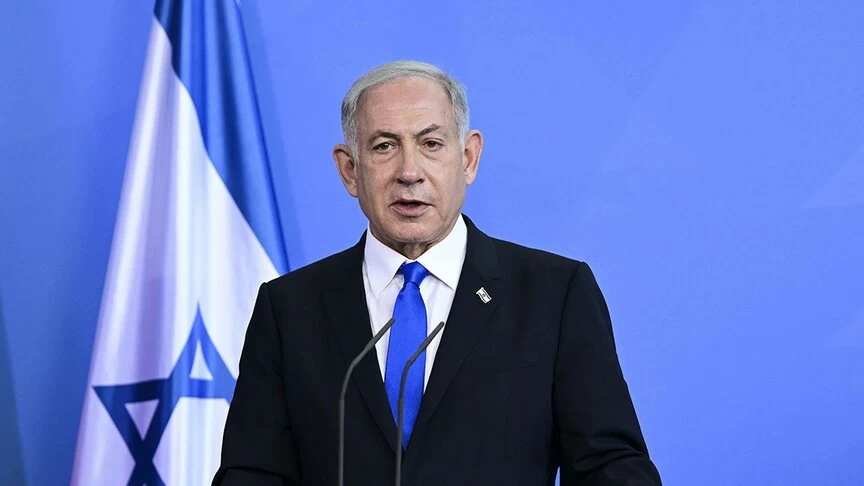
Israeli Prime Minister Benjamin Netanyahu appeared today in the Central Court of Tel Aviv to respond to corruption charges, marking the 81st time since his trial began in 2020. This session follows a two-month absence, with his last appearance before the outbreak of the war on Iran on February 28.
Netanyahu was scheduled to appear in court on Monday; however, he requested to cancel the session citing "security reasons" before holding security consultations regarding the war on Lebanon. According to the Israeli newspaper Maariv, Netanyahu is in the final stages of his trial, having testified over 80 days of sessions, with approximately 11 full days of testimony remaining, in addition to re-examination by his defense attorney.
Details of the Court Session
Today, Netanyahu testified in case 4000, where he is accused of bribery, fraud, and breach of trust. According to the indictment, Netanyahu and businessman Shaul Elovitch, the former owner of the news site Walla, had a bribery relationship, where Netanyahu and his family made various demands to the Elovitch family regarding media coverage of their affairs, requesting that he suppress his political opponents.
The court sessions continue amid a divide within Israel between supporters and opponents regarding Netanyahu's request for a pardon from Israeli President Isaac Herzog, without admitting guilt or retiring from political life. Since the beginning of his trial, Netanyahu has refused to plead guilty, while Israeli law does not allow the president to grant a pardon unless there is an admission of guilt.
Background & Context
Netanyahu faces accusations of corruption, bribery, and breach of trust in three well-known corruption cases referred to as files 1000, 2000, and 4000, with the indictment related to them submitted at the end of November 2019. File 1000 pertains to Netanyahu and his family receiving valuable gifts from wealthy businessmen in exchange for providing favors and assistance to those individuals.
In file 2000, he is accused of negotiating with Arnon Mozes, the publisher of the newspaper Yedioth Ahronoth, to obtain positive media coverage. Additionally, Netanyahu has been wanted since 2024 to appear before the International Criminal Court on charges of committing war crimes and crimes against humanity in Gaza.
Impact & Consequences
Pressure on Netanyahu is increasing as his trial continues, with corruption cases sparking widespread debate in Israeli society. Many consider this trial a real test of the integrity of the judicial system in Israel, amid growing political and social divisions.
These events coincide with escalating regional tensions, complicating the internal political situation in Israel. While Netanyahu seeks to maintain his position, he faces significant challenges from the opposition demanding accountability.
Regional Significance
Netanyahu's trial is a matter of concern for the entire Arab region, reflecting internal conflicts in Israel and their impact on regional politics. The ongoing corruption cases may also affect relations between Israel and Arab countries, especially amid normalization attempts by some nations.
In conclusion, Netanyahu's trial remains a focal point for the world, raising questions about the future of Israeli leadership and its impact on stability in the region.